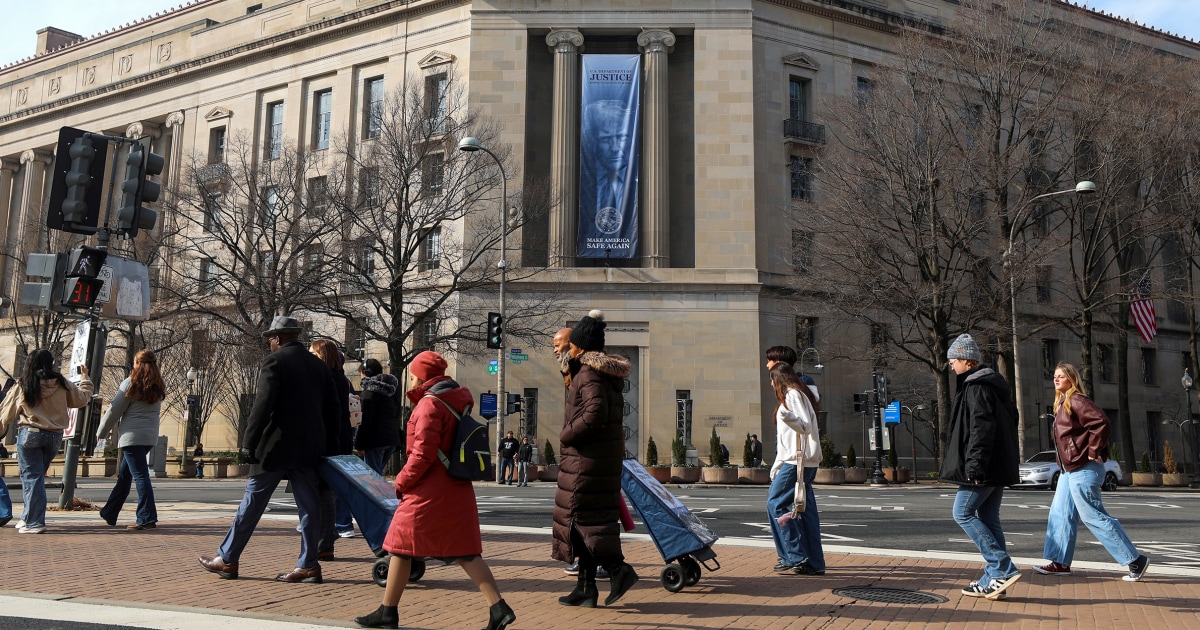
The Southern Poverty Law Center (SPLC) has been indicted on federal fraud charges by the U.S. Department of Justice, according to Acting Attorney General Todd Blanche. The announcement was made during a news conference at the Justice Department in Washington on Tuesday, April 21, 2026. The indictment alleges that the SPLC improperly raised millions of dollars to pay informants to infiltrate extremist groups, including the Ku Klux Klan, without disclosing these payments to donors or financial institutions.
The charges include six counts of wire fraud, four counts of bank fraud, and one count of conspiracy to commit money laundering. Acting Attorney General Blanche stated that the SPLC’s paid informant program operated through at least 2023 and that the organization was not dismantling extremist groups but instead manufacturing the extremism it claims to oppose by paying sources to stoke racial hatred.
The SPLC, a nonprofit organization known for tracking white supremacist and other hate groups across the United States, has denied the allegations. Its interim president and CEO, Bryan Fair, said in a video statement that the organization was under investigation by the Justice Department related to a now-defunct program that used paid confidential informants to infiltrate far-right groups. Blanche added that the investigation into the SPLC began years ago but was paused during President Joe Biden’s term before being revived under the Trump administration.
According to the Justice Department, in one case, the SPLC paid the leader of the group that organized the far-right Unite the Right protest in Charlottesville, Virginia, in 2017. The indictment accuses the organization of using donor funds to support extremist activity under the guise of monitoring it, thereby deceiving supporters and banks about the true nature of its operations.
The SPLC has long been a frequent target of criticism from conservative circles and allies of former President Donald Trump. Despite its reputation for civil rights advocacy, the organization now faces serious legal scrutiny over its internal practices and financial transparency. The indictment marks a significant escalation in the ongoing examination of how nonprofit groups conduct investigations into extremist movements.
Federal prosecutors allege that the SPLC’s actions violated federal fraud statutes by concealing material information from donors and banks whereas soliciting funds under false pretenses. The case hinges on whether the organization misrepresented how donated money was being used, particularly in relation to payments made to individuals associated with extremist organizations.
The Southern Poverty Law Center was founded in 1971 and has been involved in numerous high-profile legal battles against hate groups. It maintains a database of extremist organizations and has provided research and training to law enforcement agencies. However, the current indictment raises questions about the methodologies employed in its investigative work, especially regarding the use of informants and financial accountability.
Representatives for the SPLC have not issued a detailed public rebuttal beyond denying the allegations. Legal experts note that proving intent to defraud will be central to the prosecution’s case, requiring evidence that the organization knowingly deceived donors and banks about the purpose of the funds. The defense is expected to argue that payments to informants were a legitimate and necessary part of monitoring dangerous groups.
The indictment cites specific financial transactions and internal communications as evidence of the alleged scheme. Prosecutors claim that the SPLC created false narratives to justify payments while failing to disclose the controversial nature of its informant program in grant applications, donation requests, and bank records.
This case adds to a broader debate about oversight and accountability in nonprofit organizations engaged in sensitive social justice work. Critics argue that the lack of transparency around informant use undermines public trust, while supporters warn that criminalizing such tactics could hinder efforts to monitor extremist activity.
The Justice Department has not disclosed the total amount of money allegedly misused in the scheme, but the indictment references “millions of dollars” in improperly raised funds. No trial date has been set, and the SPLC has indicated it will vigorously defend itself against the charges.
As the legal proceedings unfold, the outcome could have lasting implications for how nonprofit organizations conduct investigations into extremist groups and how they manage relationships with donors, law enforcement, and financial institutions. The case underscores the tension between effective monitoring of hate groups and the ethical and legal boundaries of investigative practices.
For ongoing updates on this case, readers are encouraged to consult official court filings from the U.S. District Court for the Middle District of Alabama and public statements from the U.S. Department of Justice.
If you found this article informative, please consider sharing it with others who may be interested in developments regarding nonprofit accountability and extremist group monitoring. Comments are welcome below.
Related reading