
A federal judge has ordered the U.S. The directive, issued in response to ongoing litigation, requires the government to address portions of the files that were previously withheld.
The order follows a series of challenges regarding the transparency of records associated with the late financier. According to court filings, the government has been tasked with reviewing its redactions to ensure they adhere strictly to the Freedom of Information Act (FOIA), which mandates that agencies provide as much information as possible unless a specific statutory exemption applies.
The Legal Basis for the Order
The court’s decision stems from a motion to compel the disclosure of documents that have remained obscured. Plaintiffs in the case have argued that the DOJ’s reliance on redactions has been overly broad, effectively hiding information that does not pose a legitimate threat to ongoing investigations or the privacy of individuals. Under the standards established by the Freedom of Information Act, the government must demonstrate that any withheld material falls clearly within defined exemptions, such as those protecting sensitive law enforcement techniques or personal privacy.
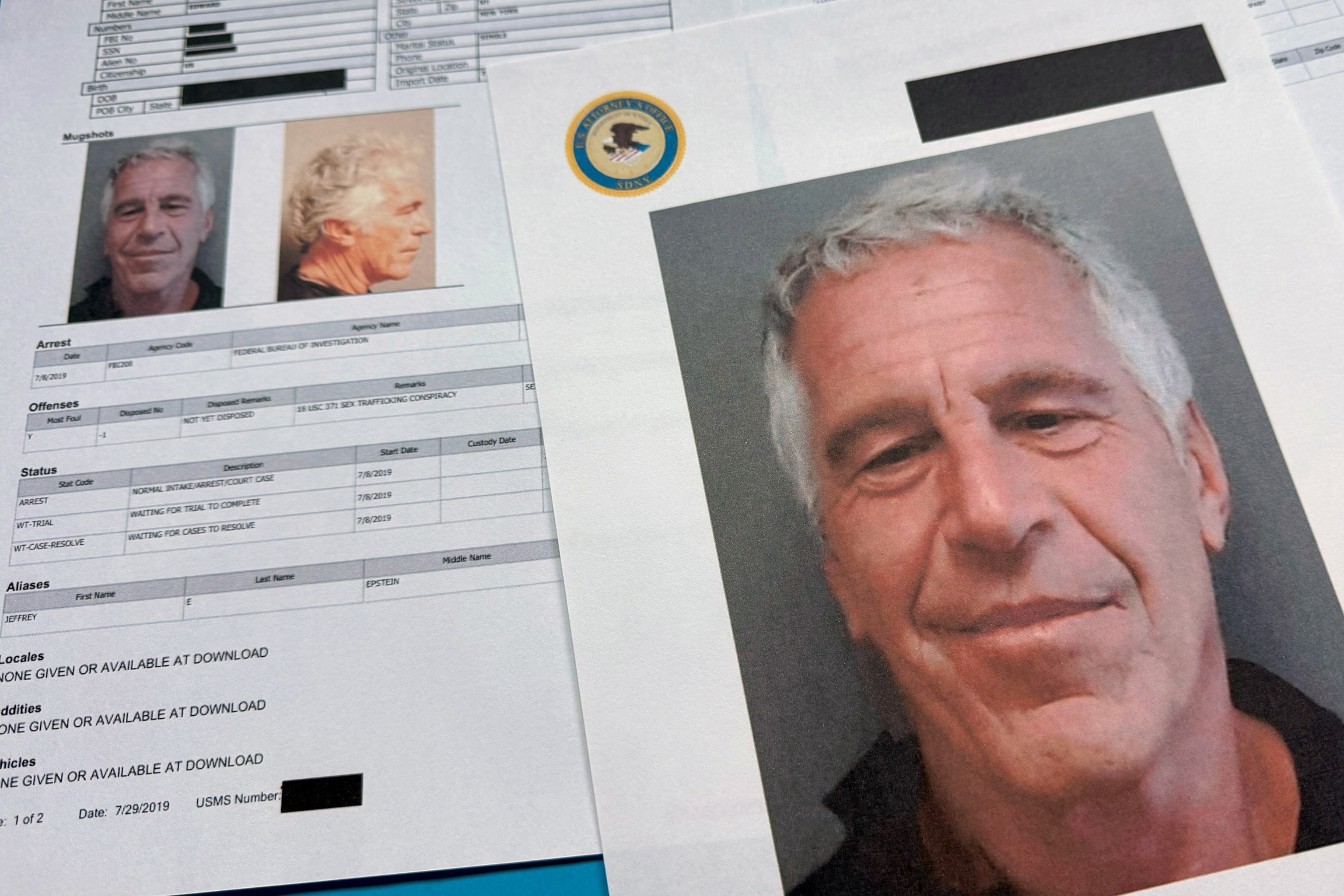
Legal observers note that the judge’s requirement for the DOJ to justify each redaction—or “blacked out” portion—is a standard procedural hurdle in FOIA litigation, yet it carries significant weight given the intense public interest in the Epstein case. The DOJ is now required to file an updated index or a supplemental explanation that links specific redactions to the legal exemptions they claim. This process, often referred to as a “Vaughn Index” in federal court, serves to provide the court and the plaintiffs with a clearer understanding of why the government believes certain information is exempt from disclosure.
Understanding the Scope of Disclosure
The dispute centers on the balance between transparency and the protection of confidential sources and victims. The DOJ has historically maintained that certain redactions are necessary to prevent the identification of individuals who were not publicly named in criminal proceedings. However, the court has signaled that the government’s justification must be specific rather than categorical. The government must now provide a more granular breakdown of why the information currently held back cannot be released to the public.
This development is part of a broader effort by journalists and advocacy groups to gain access to the full scope of federal investigations into Epstein’s activities. While the DOJ often points to the protection of third-party privacy, the court’s latest instruction suggests that the current level of secrecy may not meet the threshold required by law. The government is expected to submit its revised justifications by the upcoming deadline established by the court, at which point the judge will evaluate whether the redactions are legally defensible.
What Happens Next in the Litigation
The DOJ must now prepare a filing that addresses the court’s concerns, either by producing the requested documents or by offering a more robust legal argument for continued withholding. This filing will be a critical checkpoint in the litigation, as it will determine whether the court grants further access to the records or upholds the government’s position. Any decision by the judge to reject the government’s explanation could lead to the release of previously classified information, potentially shedding new light on the timeline and scope of the federal investigation.
The court has scheduled the next status update for the coming weeks, during which both parties will present their arguments regarding the sufficiency of the DOJ’s response. As the legal process continues, the focus remains on whether the government’s internal review will result in increased transparency or further legal challenges regarding the availability of public records.
Readers interested in the progression of this case may monitor the docket for future filings and court orders. We welcome your thoughts on the balance between privacy and public transparency in the comments section below.