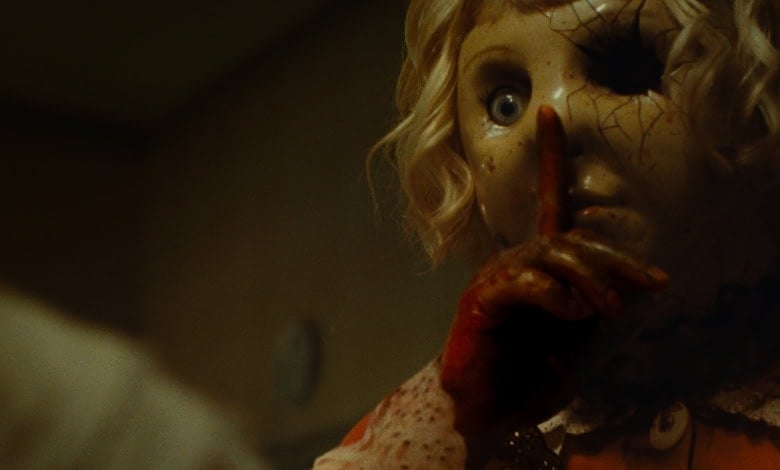
The horror genre has a long and storied relationship with the uncanny valley, and few figures embody that unsettling space quite like dolls. From the porcelain-faced companions of childhood to the sinister automatons of nightmares, dolls tap into a primal fear of imitation and the unsettling potential for something familiar to become profoundly wrong. Director Rod Blackhurst’s latest film, “Dolly,” arriving in theaters on March 6, 2026, leans heavily into this established terror, delivering a brutal and visually striking slasher that feels both refreshingly retro and disturbingly modern. The film, based on Blackhurst’s 2022 short film “Babygirl,” isn’t without its flaws, but its commitment to a visceral, unrelenting horror experience and the introduction of a truly memorable latest movie monster make it a standout in the genre.
“Dolly” centers on Macy (Fabianne Therese), a young woman grappling with uncertainty about her future and her relationship with Chase (Seann William Scott), a single father hoping to build a life with her. Seeking a picturesque setting for a proposal, Chase takes Macy on a camping trip, unaware of the horrors that await them in the secluded woods. Their idyllic getaway takes a terrifying turn when Chase stumbles upon a disturbing collection of dolls, meticulously arranged in the forest. Driven by curiosity, he investigates, unwittingly awakening a monstrous presence known only as Dolly (Max the Impaler), a hulking figure concealed behind an oversized doll mask and wielding a menacing shovel. The ensuing struggle for survival pits Macy against a relentless and terrifying adversary, forcing her to confront not only a physical threat but too her own internal doubts and fears.
A Throwback to Grindhouse Horror
Blackhurst, who also co-wrote the screenplay with Brandon Weavil, clearly draws inspiration from the gritty, low-budget horror films of the 1970s. The film’s aesthetic is deliberately rough around the edges, employing a grainy film stock and unsettling sound design to create a palpable sense of dread. The visual style evokes classics like 1974’s “The Texas Chainsaw Massacre,” with its emphasis on practical effects and unflinching violence. According to the film’s Wikipedia page, principal photography wrapped in June 2024, utilizing 16mm film in the Chattanooga metropolitan area. “Dolly” aims for a visceral impact, and in many respects, it succeeds, offering a raw and uncompromising horror experience that will likely appeal to fans of the genre’s more extreme subgenres.
The film’s strength lies in its commitment to building tension and delivering genuinely shocking moments. Although the plot may tread familiar ground – the isolated couple, the mysterious stranger, the relentless pursuit – Blackhurst elevates the material through skillful direction and a willingness to embrace the grotesque. The pacing is deliberate, allowing the atmosphere to seep under the skin and the sense of dread to escalate gradually. The film doesn’t shy away from graphic violence, but it’s rarely gratuitous, serving instead to underscore the brutality of Dolly’s actions and the desperation of Macy’s struggle for survival.
Introducing a New Icon of Terror
Perhaps the most compelling aspect of “Dolly” is the creation of its titular antagonist. Max the Impaler, a former professional wrestler, delivers a truly terrifying performance as Dolly, relying on physicality and menacing presence rather than dialogue. The character’s silent, lumbering movements and the unsettling imagery of the doll mask create a uniquely disturbing figure. The IMDb page for the film highlights Max the Impaler’s role as Dolly, noting the character’s intent to raise Macy as its own child. IMDb describes the film as a monster horror, and Dolly certainly fits the bill, embodying a primal, almost animalistic threat.
The film’s success hinges on Dolly’s ability to evoke fear not just through physical intimidation but also through a warped sense of maternal instinct. The idea of a monstrous figure wanting to *raise* its victim adds a layer of psychological horror to the proceedings, suggesting a perversion of natural desires and a profound violation of boundaries. This unsettling dynamic elevates Dolly beyond a simple slasher villain, positioning the character as a truly disturbing and memorable icon of terror. The Dread Central article, shared on X (formerly Twitter), describes the film as a “brutal blend of New French Extremity and ’70s American horror,” further emphasizing its willingness to push boundaries and challenge audience expectations.
EXCLUSIVE: @IndieFilmCom &. @Shudder’s slasher DOLLY is being called a brutal blend of New French Extremity and ’70s American horror.
We’ve got an exclusive clip of Southbound’s Fabianne Therese trapped by the monster-like Dolly. Watch if you dare. pic.twitter.com/3BBEelKP8o
— Dread Central (@DreadCentral) February 27, 2026
Performances and Narrative Choices
Fabianne Therese delivers a compelling performance as Macy, effectively portraying the character’s vulnerability and resilience. She convincingly embodies the terror of being hunted and the desperation to survive. Seann William Scott, known for his comedic roles, offers a surprisingly understated and heartbreaking performance as Chase, adding emotional depth to the narrative. The film benefits from strong supporting performances as well, with Michalina Scorzelli as Aunt Sadie and Ethan Suplee as Tobe adding layers of complexity to the story.
But, “Dolly” isn’t without its shortcomings. The narrative occasionally falters, with some character decisions feeling contrived and frustrating. Macy’s survival instincts, at times, seem remarkably poor, leading to moments that test the audience’s patience. The third act introduces some unexpected creative choices that, while ambitious, don’t entirely land, diminishing the overall impact of the climax. Despite these flaws, the film’s relentless intensity and the sheer force of Dolly’s presence keep viewers engaged.
Key Takeaways
- “Dolly” is a throwback to the grindhouse horror films of the 1970s, emphasizing practical effects and visceral violence.
- Max the Impaler delivers a terrifying performance as Dolly, creating a truly memorable new movie monster.
- Fabianne Therese and Seann William Scott deliver strong performances, adding emotional depth to the narrative.
- While the film has some narrative flaws, its relentless intensity and unsettling atmosphere make it a worthwhile experience for horror fans.
“Dolly” is a film that will likely divide audiences. Those seeking a polished, predictable horror experience may be disappointed. However, for viewers willing to embrace its raw energy, unsettling imagery, and unapologetic brutality, “Dolly” offers a genuinely terrifying and unforgettable ride. It’s a film that gets under your skin and stays there, lingering in the mind long after the credits roll. The film’s theatrical release in the United States on March 6, 2026, marks a significant date for horror fans eager to experience this new vision of terror.
As “Dolly” hits theaters, keep an eye on World Today Journal for further coverage and reviews of the latest horror releases. We’ll continue to bring you exclusive insights and analysis of the genre’s most exciting new films. Share your thoughts on “Dolly” in the comments below – did it scare you, or did its flaws detract from the experience?
Worth a look