Dominican Republic Launches Nationwide Initiative to Strengthen School Nutrition
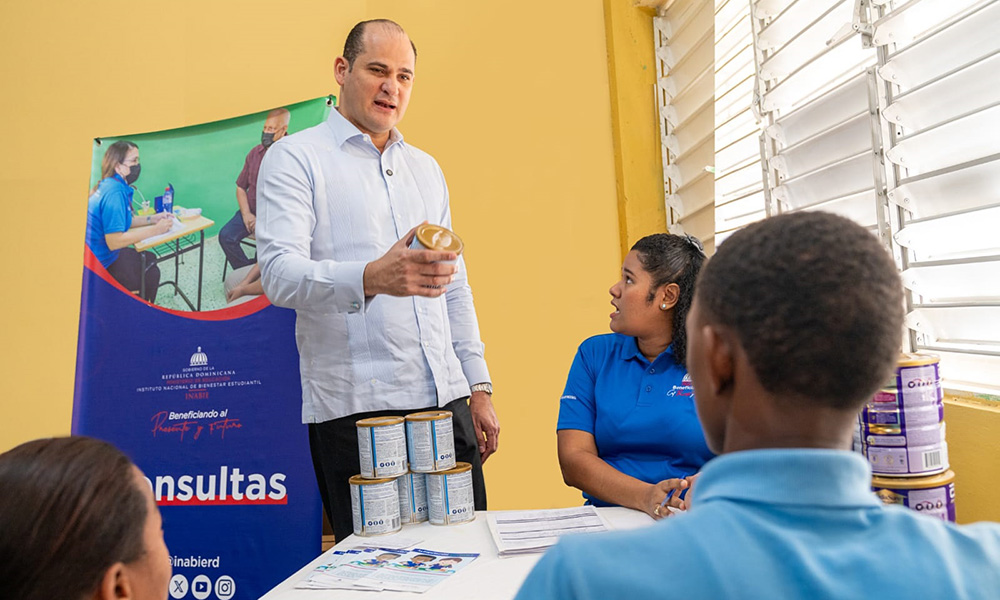
San Cristóbal, Dominican Republic – In a concerted effort to bolster the well-being and academic performance of students across the nation, the Instituto Nacional de Bienestar Estudiantil (INABIE) has launched “Nutrición Escolar que Transforma” (School Nutrition that Transforms), a comprehensive program aimed at improving nutritional support within the public education system. The initiative, unveiled on February 18, 2026, coinciding with National Student Day, will initially impact over 58,800 students in the San Cristóbal province, with plans for progressive expansion to more than 7,000 public schools nationwide. This commitment underscores the Dominican Republic’s growing recognition of the critical link between nutrition and educational outcomes.
The program is a key component of INABIE’s broader Plan de Fortalecimiento del Programa de Alimentación Escolar (PAE), or Strengthening Plan for the School Feeding Program, which currently benefits over 1.9 million students. The expansion will prioritize communities facing the greatest social vulnerabilities, ensuring that those most in need receive adequate nutritional support. According to Adolfo Pérez, the executive director of INABIE, celebrating students means providing them with the real conditions necessary to learn, grow and reach their full potential. “On this National Student Day, we reaffirm that nutrition is a tool for social justice. It’s not just about serving food, but about evaluating, accompanying, and ensuring that each student receives the appropriate nutrition for their full development,” Pérez stated.
Pilot Program and Nutritional Assessments
The “Nutrición Escolar que Transforma” initiative began with a pilot program in the municipality of Yaguate, within the San Cristóbal province. This initial phase focuses on conducting thorough nutritional assessments of students and closely monitoring the quality and effectiveness of the school feeding services. These assessments are being carried out under the Sistema Integral para la Vigilancia Alimentaria y Nutricional del Escolar (Sisvane), or Integrated System for School Food and Nutritional Monitoring, a tool designed to evaluate the nutritional status of students and strengthen the implementation of the PAE. Sisvane incorporates operational supervision, nutritional evaluation, and technical training for the Comités de Alimentación y Nutrición Escolar (CANE), or School Food and Nutrition Committees.
Luis Lizado, INABIE’s Director of Health and Nutrition, explained that the program’s approach goes beyond simply providing meals. It emphasizes a holistic understanding of student nutritional needs, ensuring that interventions are tailored and effective. This includes ongoing monitoring and adjustments to the school feeding program based on the data collected through Sisvane. The focus on evaluation and accompaniment is intended to ensure that students receive not only sufficient food but also nutritionally balanced meals that support their cognitive and physical development.
Addressing Food Security and Educational Equity
The Dominican Republic, like many nations in Latin America and the Caribbean, faces ongoing challenges related to food security and educational equity. Malnutrition can have a significant impact on a child’s ability to concentrate, learn, and succeed in school. Chronic undernutrition can lead to stunted growth, weakened immune systems, and increased susceptibility to illness, all of which can hinder educational progress. The World Food Programme (WFP) has been actively involved in supporting school feeding programs in the Dominican Republic, recognizing their crucial role in improving educational outcomes and reducing poverty.
By prioritizing communities with the highest levels of social vulnerability, INABIE’s initiative aims to address these disparities and ensure that all students have access to the nutrition they need to thrive. The program’s emphasis on comprehensive nutritional assessments and ongoing monitoring will allow for targeted interventions and adjustments to address specific needs within different communities. This data-driven approach is essential for maximizing the impact of the program and ensuring that resources are allocated effectively.
Expanding the Reach of the PAE
The PAE has been a cornerstone of the Dominican Republic’s efforts to improve educational outcomes and reduce poverty. The program provides meals to students in public schools, helping to alleviate hunger and improve nutritional status. Yet, challenges remain in ensuring that the PAE reaches all students in need and that the meals provided are of sufficient quality and nutritional value. The “Nutrición Escolar que Transforma” initiative represents a significant step towards addressing these challenges and strengthening the PAE’s effectiveness.
The progressive expansion of the program to over 7,000 public schools across the country will require significant logistical planning and coordination. INABIE will need to operate closely with local communities, school administrators, and food suppliers to ensure that the program is implemented smoothly and effectively. The success of the initiative will depend on the commitment of all stakeholders and a continued focus on data-driven decision-making.
The Importance of School Nutrition Programs
Research consistently demonstrates the positive impact of school nutrition programs on student health, academic performance, and overall well-being. Studies have shown that students who participate in school breakfast and lunch programs tend to have better attendance rates, higher test scores, and fewer behavioral problems. The Centers for Disease Control and Prevention (CDC) highlights the importance of school nutrition programs in promoting healthy eating habits and preventing childhood obesity.
school nutrition programs can play a vital role in supporting local economies by creating demand for locally sourced food products. This can benefit farmers and food producers, while also reducing the environmental impact of food transportation. INABIE’s commitment to strengthening the PAE and expanding its reach is therefore not only an investment in the health and education of Dominican students but also a contribution to the country’s overall economic and social development.
Next Steps and Ongoing Monitoring
INABIE plans to continue monitoring the impact of the “Nutrición Escolar que Transforma” initiative closely, using data collected through Sisvane to assess its effectiveness and create necessary adjustments. The program will be expanded to additional provinces in the coming months, with a focus on reaching the most vulnerable communities. The agency is also exploring opportunities to partner with other organizations and stakeholders to further enhance the program’s reach and impact. The next official update on the program’s progress is scheduled for release in June 2026, providing a comprehensive assessment of the initial implementation phase.
The success of this initiative hinges on continued investment, collaboration, and a steadfast commitment to ensuring that all Dominican students have the nutritional support they need to succeed. The “Nutrición Escolar que Transforma” program represents a significant step forward in achieving this goal, paving the way for a healthier, more educated, and more equitable future for the Dominican Republic.
What are your thoughts on the importance of school nutrition programs? Share your comments below and aid us spread awareness about this vital issue!