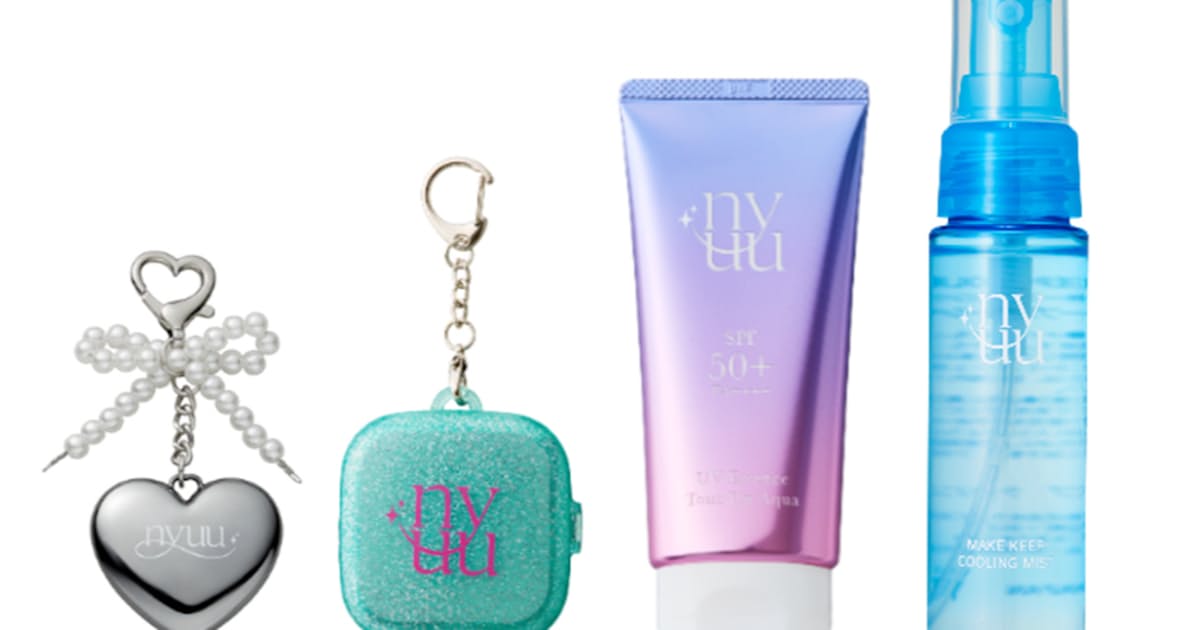
Japan’s retail landscape is witnessing a nostalgic pivot as Don Quijote, the nation’s most famous discount chain, targets the youngest consumers with a blend of retro aesthetics and hyper-affordable pricing. The retailer is leaning into the “Heisei” era—the period from 1989 to 2019—to capture the interest of Generation Alpha, the cohort born from the early 2010s onwards.
This strategic shift is centered on the concept of jarazuke
, a Japanese term referring to the act of decorating bags and accessories with a lavish, often cluttered array of charms, ribbons, and trinkets. By offering cosmetics and accessories starting at 550 yen, Don Quijote is positioning itself as the primary destination for a generation that views fashion as a tactile, customizable form of self-expression.
The move comes as Don Quijote seeks to “anti-age” its brand image. While the store has long been a sanctuary for Gen Z, leadership has expressed a sense of urgency in bridging the gap with Generation Alpha to ensure long-term growth. By blending the maximalist style of the Heisei era with the digital-native habits of today’s youth, the company aims to transform its stores into experiential hubs rather than mere shopping centers.
The Rise of Heisei Retro and Generation Alpha
For Generation Alpha, the Heisei era is not a memory but a curated aesthetic discovered through social media. The trend involves a fascination with the bold colors, glitter, and “more-is-more” philosophy that defined Japanese youth culture in the late 1990s and early 2000s. This revival is not merely about the products themselves, but about the act of curation.
The jarazuke
trend is a key component of this movement. Young consumers are no longer satisfied with a single designer logo; instead, they are attaching multiple low-cost, high-impact charms and cosmetic pouches to their bags. Don Quijote has capitalized on this by stocking a wide variety of “pocket-sized” cosmetics and accessories that fit the budget of a middle-school student, with many items priced at the psychological threshold of 550 yen.
This strategy is closely tied to the launch of new, youth-centric initiatives. On April 2, 2026, reports indicated the birth of a new cosmetics brand called nyuu
, specifically designed for Generation Alpha. The brand focuses on the transition from school makeup
to after-school self
, providing affordable, portable cosmetics that allow students to experiment with their identity outside the strict confines of school regulations via AGARA News.
Strategic Retail Evolution: From Discount Store to Youth Hub
Don Quijote’s approach to capturing Generation Alpha is not limited to product lines; it involves a fundamental shift in store formatting. The company has introduced specialized formats, such as “Kirakira Donki,” which are designed to perceive more like a curated boutique or a social media feed than a traditional warehouse store.
According to company leadership, the goal is to align the retail experience with the way young people consume information. By placing “viral” products from platforms like TikTok and Instagram at the forefront, Don Quijote reduces the friction between online discovery and offline purchase. This “social-first” merchandising ensures that the store remains relevant to a demographic that prizes authenticity and trend-responsiveness over brand loyalty.
The focus on “pocket-money pricing” is too a calculated move. By keeping entry-level items around 550 yen, the retailer encourages impulse buying and frequent visits. This creates a habit of shopping at Don Quijote, turning the store into a “third place” for youth to hang out and discover new trends together.
The Impact of “Pocket-Money” Pricing
The 550-yen price point serves as a critical entry barrier. For Generation Alpha, who may rely on limited allowances, this pricing makes the “Heisei” aesthetic accessible without requiring significant parental investment. This creates a high-volume turnover of goods, as students frequently swap out charms and cosmetics to preserve up with rapidly shifting micro-trends.
Beyond the cosmetics, this pricing strategy extends to skincare. The retailer’s “Jonetsu Kakaku” (Passion Price) private label has introduced high-value items, such as facial masks priced at 550 yen, which provide a low-cost entry point into skincare routines for younger teens via MAQUIA.
Why the Heisei Aesthetic Matters Now
The revival of Heisei-era style represents a broader cultural phenomenon where nostalgia is used as a tool for identity construction. For Generation Alpha, the “maximalism” of the Heisei era offers a contrast to the minimalist, “clean girl” aesthetics that dominated the early 2020s. The jarazuke
style is a rebellion against sterility, favoring a chaotic, personalized, and colorful presentation.
This shift also reflects a desire among the youth to “grow up faster.” By adopting the makeup and accessory styles of the previous generation’s teenagers, Generation Alpha is experimenting with a more mature, expressive version of themselves. Don Quijote is facilitating this exploration by providing the tools—the glitters, the charms, and the bold lip tints—at a price that doesn’t preclude experimentation.
the “retro” appeal is amplified by the digital nature of their discovery. When a 12-year-old finds a 20-year-old photo of a “Gal” (Gyaru) from the Heisei era on social media, the desire to replicate that look is immediate. Don Quijote’s ability to source and stock these specific, nostalgic items quickly allows them to capture this demand in real-time.
Key Elements of the Generation Alpha Trend
- Jarazuke (Decoration): The practice of overloading bags with charms and accessories to create a unique, maximalist look.
- Heisei Nostalgia: A preference for the bold, colorful, and glittery aesthetics of the 1990s and 2000s.
- Pocket-Money Pricing: Strategic pricing (often around 550 yen) to make trends accessible to students.
- Identity Transition: Moving from restrictive “school makeup” to expressive “after-school” personas.
What This Means for the Global Retail Market
Don Quijote’s success in targeting Generation Alpha provides a blueprint for other global retailers. The key takeaway is the move away from “demographic targeting” toward “aesthetic targeting.” Rather than simply selling to “teenagers,” Don Quijote is selling to a specific *vibe*—in this case, the Heisei-maximalist vibe.
This approach requires a high degree of agility. The retailer must be able to pivot its inventory based on what is trending on social media within days, not months. The “Kirakira Donki” model demonstrates that the physical store must act as a physical manifestation of a digital trend, providing a tactile experience that a screen cannot replicate.
As Generation Alpha gains more purchasing power, their preference for customizable, affordable, and nostalgic products will likely influence other sectors, from fashion to home decor. The “jarazuke” mentality—where the value is in the curation and the “clutter” rather than the individual luxury of a single item—could signal a shift away from the “quiet luxury” trends of previous years.
For the technology and software side of retail, this trend emphasizes the demand for better integration between social discovery and inventory management. The ability to track a “viral” charm on TikTok and have it stocked in a San Francisco or Tokyo store within a week is the new gold standard for retail efficiency.
The next major checkpoint for Don Quijote’s youth strategy will be the expansion of the nyuu brand and the potential rollout of more “Kirakira” formatted stores across its global network. As the company continues to refine its “anti-aging” strategy, the industry will be watching to see if this nostalgic pivot can sustain long-term loyalty from the most digitally savvy generation in history.
Do you think the return of Heisei-era maximalism is a passing fad or a permanent shift in youth culture? Share your thoughts in the comments below.