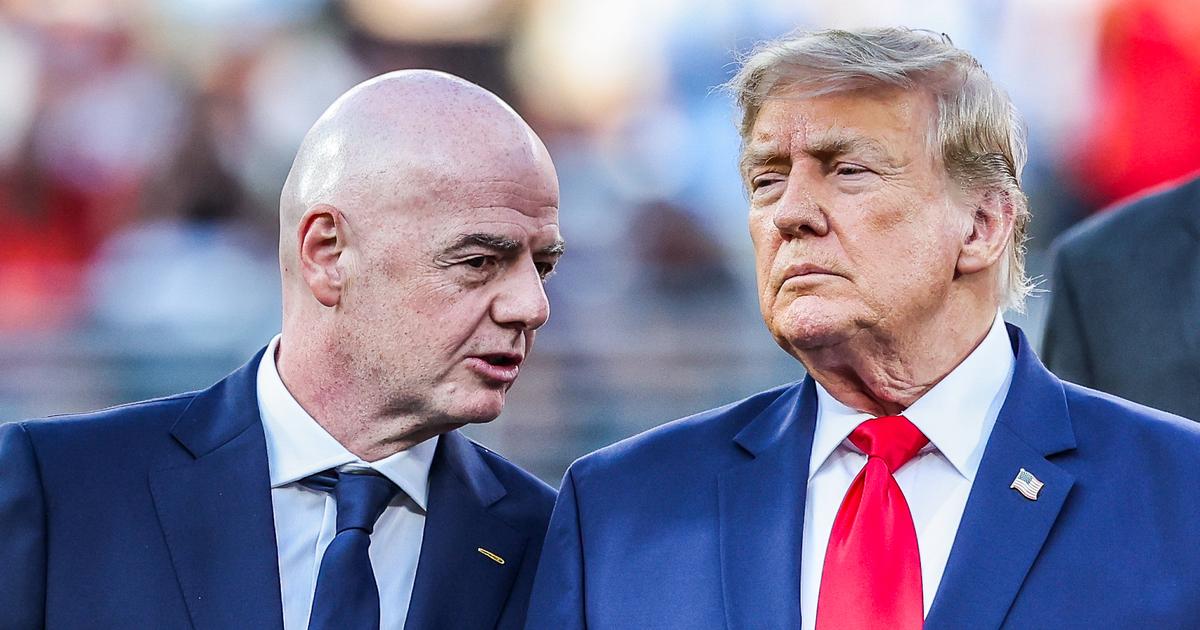
FIFA president Gianni Infantino faces mounting international scrutiny as geopolitical pressures, private investment controversies, and high-stakes diplomatic maneuvers collide around world football’s governing body. Over recent weeks, reports across European media have detailed intense friction involving global political figures, national football federations, and financial restructuring projects pushed by Zurich headquarters. According to reporting by outlets such as Le Monde and L’Équipe, critics point to a persistent pursuit of commercial expansion that repeatedly strains relations with traditional continental stakeholders.
The current turbulence encompasses multiple fronts, from denied diplomatic interventions to high-profile private equity initiatives. As investigations and journalistic disclosures shed light on FIFA’s internal governance and external lobbying efforts, the federation finds itself defending its strategic direction against accusations of prioritizing profit over the health of the global game. For international observers and sports business analysts, these developments mark a critical juncture for an administration that has continually sought to broaden its economic footprint.
Diplomatic Denials and Political Maneuvers Involving Global Leaders
Recent reports concerning high-level political communications have ignited fierce debate within sports governance circles. Media investigations revealed claims that key international figures were drawn into emergency diplomatic discussions regarding FIFA’s administrative challenges. Notably, reports by outlets like L’Équipe examined whether high-ranking political offices intervened or received appeals for assistance amid deepening institutional friction. However, key details surrounding these alleged communications faced swift denials or careful clarifications from involved diplomatic channels.
Concurrently, the influence of national federations has proven pivotal in navigating this climate. For instance, the Royal Moroccan Football Federation (FRMF) has actively engaged in international sports diplomacy, reflecting the shifting power dynamics within global football administration. As political capitals from Washington to Paris monitor or influence sports infrastructure projects, the line between governmental diplomacy and independent sports governance grows increasingly blurred. Analysts tracking these developments note that Infantino’s administration relies heavily on maintaining favorable ties with powerful state leaders, particularly as the organization prepares for expanded tournament formats.
Financial Strategy and Private Investment Friction
At the heart of the institutional friction lies Gianni Infantino’s aggressive pursuit of new revenue streams and private investment projects. According to coverage by Le Monde, the FIFA president’s tenure has been characterized by a relentless expansion of commercial partnerships, commercialized tournament expansions, and lucrative broadcasting agreements. Critics argue that this commercialization strategy risks alienating traditional football constituencies, including major European clubs and domestic leagues who bear the brunt of an increasingly congested international calendar.
Furthermore, investigative reports from outlets such as Eurosport highlighted potential diplomatic backchannels involving European heads of state—including Emmanuel Macron—in discussions surrounding private investment proposals directed at FIFA. While private equity and sovereign wealth funds eye global football as an unmatched commercial asset, player unions and confederations have raised alarms over governance transparency and the long-term sustainability of the sport. These financial maneuvers underscore a widening gap between FIFA’s centralized executive leadership and the grassroots organizations that sustain domestic competitions.
Stakeholder Impact and Governance Challenges
The convergence of political lobbying, financial restructuring, and disputed diplomatic appeals leaves FIFA’s leadership in a precarious position. National associations are increasingly forced to balance loyalty to Zurich against the domestic interests of players, coaches, and fans who protest the constant addition of matches and tournaments. Transparency advocates argue that without rigorous oversight from independent regulatory bodies, executive decisions will continue to favor short-term financial gains over the integrity of international competitions.
As these multifaceted disputes unfold, the international sports community awaits the next scheduled meetings of FIFA’s governing bodies, where member associations will address ongoing commercial strategies, calendar reforms, and governance standards. These upcoming sessions will test the administration’s ability to forge consensus among fractured regional confederations.
What are your thoughts on FIFA’s commercial direction and its relationship with political leaders? Join the conversation and share your perspective in the comments below.