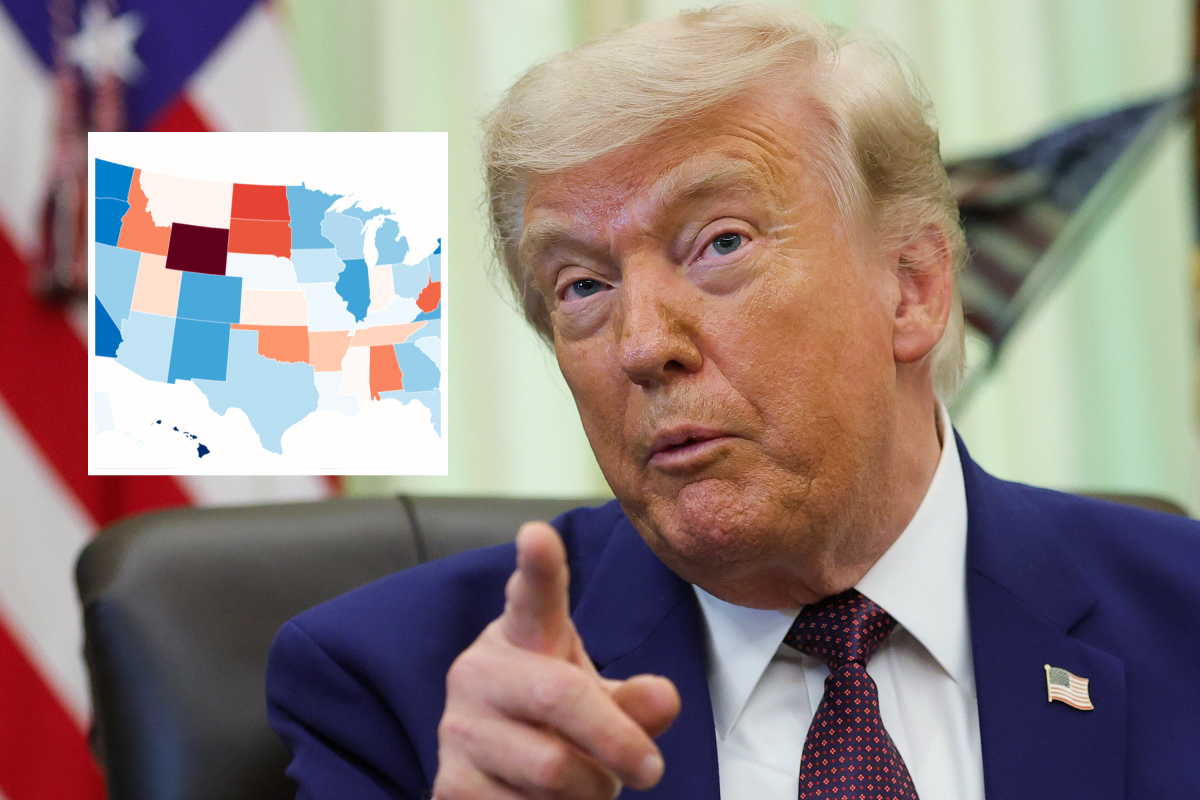
Public opinion polling data released throughout the current election cycle indicates that Donald Trump’s approval rating varies significantly across state lines, with recent surveys highlighting shifting support among key demographic groups. Voters in rural areas and white working-class households, traditionally considered core components of the former president’s base, have shown increased sensitivity to prevailing economic conditions, including fluctuating fuel and food prices. Analysts suggest these metrics provide a granular look at the electoral landscape as political organizations refine their strategies ahead of upcoming contests.
According to data compiled by major polling organizations, including Reuters/Ipsos, economic concerns remain the primary driver for shifts in voter sentiment. While regional approval ratings show high levels of stability in traditional strongholds, the margin of support in swing states has narrowed compared to previous cycles. These findings align with broader reporting from outlets like NBC News, which recently tracked approval trends reaching near-term lows in specific demographic segments.
Economic Factors Influencing Voter Sentiment
The relationship between household economic pressure and presidential approval has become a focal point of recent political analysis. Surveys indicate that as inflation impacts the cost of living, support among white working-class voters has experienced a measurable decline in several industrial states. This trend is corroborated by reports from the New York Times, which noted that voters in these demographics are increasingly prioritizing economic stability over party loyalty.
Rural communities, which largely supported Donald Trump in previous national elections, are also reporting a shift in sentiment. Data from Reuters suggests that the climbing costs of agricultural inputs and consumer goods have contributed to a cooling of enthusiasm in these regions. While these voters continue to express preference for the former president over political opponents in many cases, the intensity of that support has fluctuated in response to monthly consumer price index reports.
Regional Variations in Public Approval
Approval ratings for Donald Trump remain highly polarized by geography. In states with deep partisan histories, approval percentages remain largely consistent with previous election outcomes. However, in states categorized as “battlegrounds,” the data shows a more volatile environment. Analysts attribute this to the diverse economic profiles of these regions, where voters are weighing national economic policy against local fiscal realities.

The NBC News polling data highlights that even within states that lean heavily toward the Republican Party, there is a visible divide between urban, suburban, and rural voters. This internal fragmentation complicates the task for political strategists who rely on state-level aggregates to predict electoral outcomes. The variance in these numbers underscores the importance of localized campaigning, as broad national trends often mask the specific pressures felt by voters in different corners of the country.
Methodology and Data Integrity
Polling organizations utilize various methodologies to arrive at state-level approval figures, including telephone surveys, online panels, and weighted demographic sampling. Because different firms use different models, it is common to see slight variations in the percentages reported for the same state. For instance, the Reuters/Ipsos approach focuses heavily on tracking longitudinal shifts in specific demographics, while other outlets may prioritize broader, randomized state samples.
Readers should note that approval ratings are a snapshot in time and are subject to change based on major news events, legislative developments, or shifts in the national economic outlook. As the political calendar advances, updated polling will be essential for understanding which states remain competitive. Official reports and data visualizations from recognized non-partisan polling centers provide the most accurate assessment of these trends for the public.
What Happens Next in the Election Cycle
The next major checkpoint for assessing voter sentiment will be the release of mid-quarter economic reports and subsequent polling conducted by major media organizations. These updates will likely focus on whether the perceived economic pressure on working-class and rural voters continues to impact approval ratings or if those figures stabilize as inflation data fluctuates.
Voters and researchers can monitor the latest data through official filings with election commissions and by reviewing the methodology statements published by reputable polling firms. As the race continues to develop, observers are encouraged to look for consistent trends across multiple independent polls rather than relying on a single data point. We invite our readers to share their perspectives on these economic trends in the comments section below.
Worth a look
- Kitesurfer Resuscitated After Freak Wind Gust Blows Him Into Jet Ski at Oostduinkerke Beach
- French Women’s Team Eyes European Podium: Nice Update
- Trump Announces New Iran Talks as Tehran Claims Focus Remains on Oman (time.news)
- Salt Lake City Community Rallies to Support Reinette and Dale Schultz Through GoFundMe Campaign (newsdirectory3.com)