
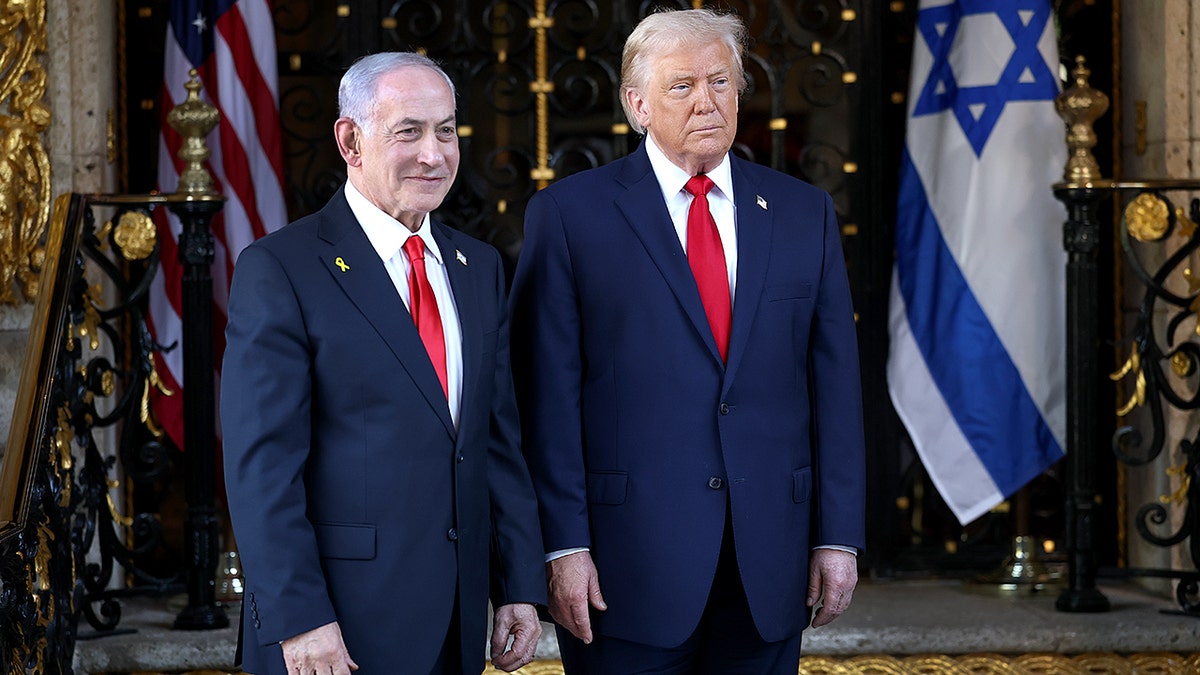
As the geopolitical landscape in the Middle East continues to shift with volatile speed, recent reports have surfaced regarding a telephone conversation between former U.S. President Donald Trump and Israeli Prime Minister Benjamin Netanyahu. The discussion, which reportedly touched upon the ongoing conflict and regional stability, has drawn significant attention as international observers weigh the potential implications of such private dialogues on current diplomatic efforts.
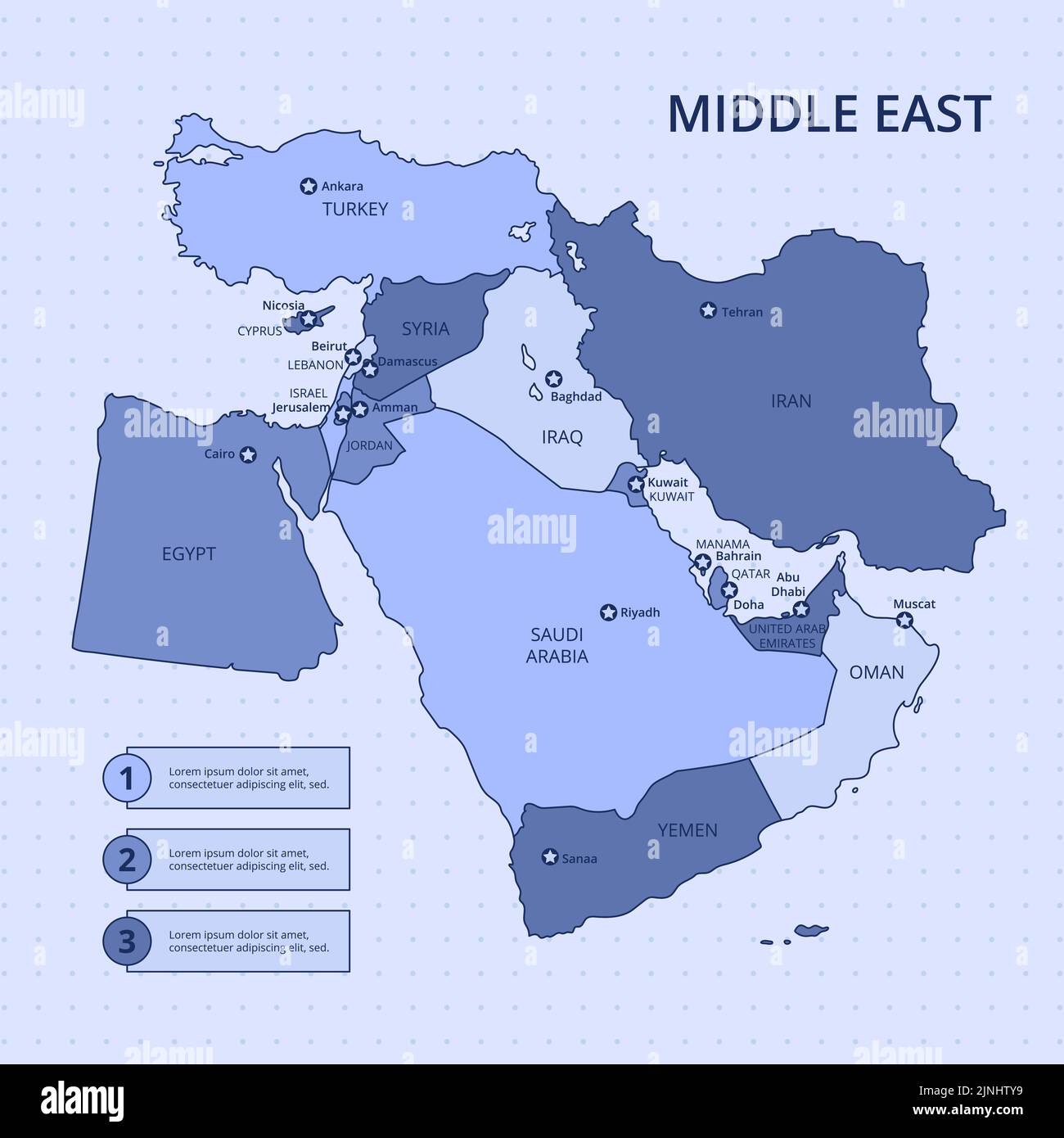
The conversation comes amid a period of intense military activity, particularly concerning Israel’s operations in Lebanon. Tensions have escalated significantly since the cross-border violence between the Israel Defense Forces (IDF) and Hezbollah intensified, leading to strikes on various locations, including the southern suburbs of Beirut, a known stronghold for the group. For those following the Iran war live updates, the intersection of U.S. Domestic political rhetoric and active combat theaters remains a point of critical analysis.
Contextualizing the Recent Diplomatic Friction
The dialogue between Mr. Trump and the Israeli leadership has been framed by the former president as a moment of intervention. However, it is essential to distinguish between campaign-trail assertions and the established diplomatic channels currently managed by the sitting U.S. Administration. The Biden-Harris administration has repeatedly emphasized that it is the primary actor currently engaged in high-level mediation, aiming to prevent a wider regional conflagration involving Iran and its proxies, as detailed in the U.S. Department of State press briefings regarding regional de-escalation efforts.
The conflict, which saw a significant expansion following the October 7, 2023, attacks, has evolved into a multi-front struggle. According to the United Nations Security Council reports, the humanitarian situation in Lebanon has deteriorated rapidly, with hundreds of thousands of civilians displaced by recent strikes. The complexity of these interactions—between Washington, Jerusalem and regional capitals—underscores the fragility of the current status quo.
The Impact of Rhetoric on Regional Stability
When analyzing statements regarding “halting violence,” it is vital to look at the verifiable data on the ground. Military operations in Lebanon have continued despite various international calls for a ceasefire. The Reuters reporting on the strikes in the Dahiyeh district of Beirut confirms that the intensity of the air campaign has remained high, challenging claims that external influence has successfully brought a pause to the hostilities.
For international observers, the question remains: does a phone call between a former head of state and a current prime minister carry weight, or is it a performative element of an election cycle? In my 14 years of covering international relations, I have observed that while non-state backchannel diplomacy can occasionally provide insights, the actual levers of power remain firmly in the hands of those currently holding office. The White House official records continue to serve as the primary source for verifying U.S. Policy positions on the Middle East, rather than unofficial accounts of private conversations.
Key Takeaways on the Current Conflict
- Regional Scope: The conflict involves the IDF, Hezbollah in Lebanon, and broader tensions with Iranian-backed groups across Syria and Iraq.
- Diplomatic Status: Official U.S. Mediation is currently focused on achieving a temporary ceasefire to facilitate humanitarian aid and prevent a ground invasion.
- Humanitarian Toll: The World Health Organization (WHO) has issued urgent warnings regarding the destruction of medical infrastructure in southern Lebanon and the suburbs of Beirut.
- Verification: Claims regarding successful intervention by private citizens or former officials should be weighed against the ongoing military data provided by verified defense and news monitoring agencies.
Navigating the Information Landscape
As we monitor these developments, it is crucial for our readers to rely on established, transparent sources. The volatility of the “Iran war” narrative is often compounded by unverified social media claims. At World Today Journal, our commitment is to provide clarity amidst the noise. We prioritize data from the U.S. Department of Defense and verifiable international monitors over anecdotal reports of private phone calls that cannot be independently corroborated.
The next major checkpoint in this unfolding story will be the upcoming UN General Assembly sessions and the ongoing briefings from the U.S. Special Envoy to the Middle East, who is tasked with maintaining open lines of communication with regional stakeholders. We will continue to track these official updates closely.
What are your thoughts on the role of unofficial diplomacy in modern conflicts? Join the conversation below and share your perspective on how global leaders should be navigating these high-stakes tensions.
Worth a look
- Livestock Culling Continues After Pasteurellosis Outbreak in Novosibirsk Region
- Houthi Offensive in Yemen: Red Sea Crisis Risks Long-Term Escalation and Saudi Economic Impact
- Iran Disputes Trump Claims as Strait of Hormuz Traffic Plummets (newsdirectory3.com)
- Mafia Concerns in Partinico: Return of Leonardo Vitale Sparks Fear of Past Violence (archynewsy.com)