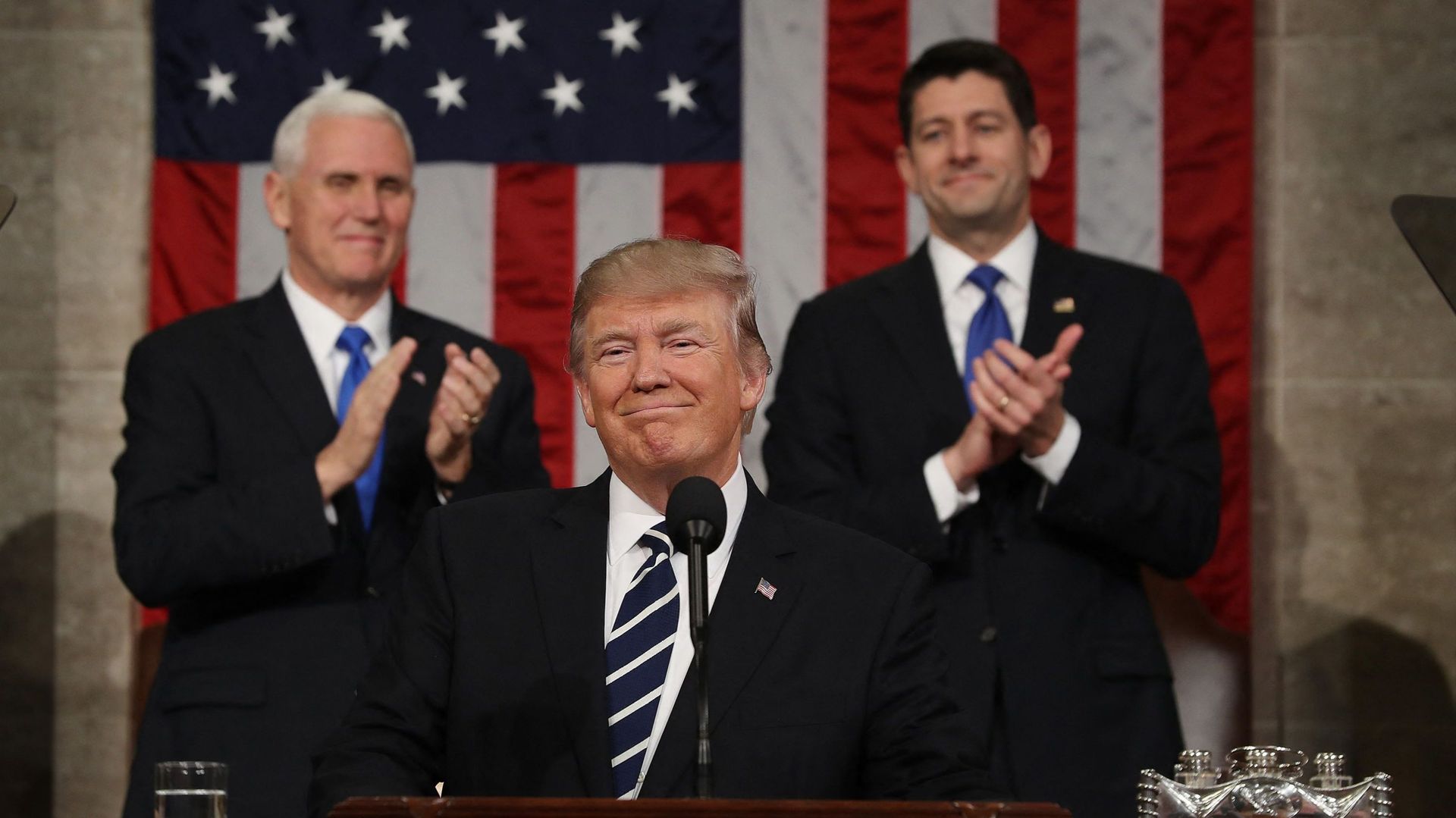
The question of whether Donald Trump should continue to receive unfiltered, live airtime on major American television networks remains a point of intense debate among media executives, political analysts, and the public. As the former president continues to influence the national discourse, broadcasters face an ongoing challenge: balancing the journalistic duty to cover a significant political figure against concerns regarding the dissemination of unverified claims and the potential for inflammatory rhetoric to reach a live, mass audience.
This tension reached a peak during several instances in recent years where major networks, including NBC and ABC, opted to interrupt or decline the live broadcast of remarks made by Donald Trump.
Editorial Discretion and the Public Interest
The debate centers on the concept of editorial discretion.
However, critics of these media decisions, including Donald Trump himself, have argued that such actions constitute a form of censorship. In various public statements, he has suggested that networks should face regulatory consequences, such as the revocation of broadcast licenses, for failing to air his remarks.
The Impact of Election Rhetoric on Media Coverage
The intensity of the debate often correlates with the electoral cycle. During the midterm elections, for example, discussions regarding the integrity of the voting process became a focal point of Trump’s rallies and public statements. Media outlets were forced to determine how to cover claims of “stolen” or “rigged” elections, which were frequently made without evidence.
Legal and Regulatory Realities
It is important to clarify the role of the FCC in this context.
The relationship between the former president and the media remains adversarial. As the political landscape evolves, the networks’ strategies will likely continue to shift. Some outlets may prioritize live, unedited access to maintain transparency, while others will continue to utilize editorial buffers to manage the potential for misinformation. The ultimate decision rests with the individual network boards and editorial teams, who must weigh their commercial interests against their obligations to the public.
As the next major electoral milestones approach, the scrutiny on how television networks handle live political broadcasts will likely intensify. Observers should look to the networks’ own published editorial guidelines and the official statements released by the FCC regarding broadcast standards for clarity on how these policies are enforced in practice. We invite our readers to share their perspectives on the role of media in covering political figures in the comments section below.
Worth a look