
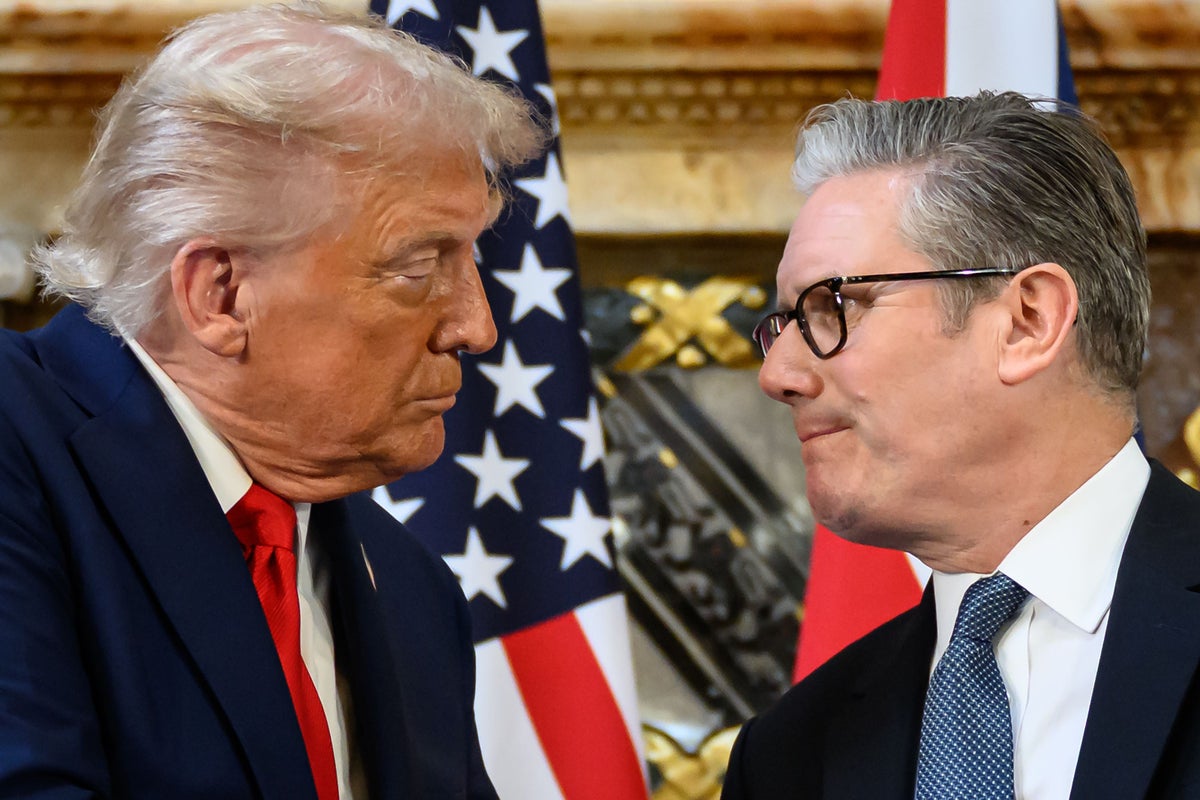
United States President Donald Trump has publicly suggested that United Kingdom Prime Minister Keir Starmer will resign from office, citing what the former president described as a failure to manage national immigration and energy policies. The remarks, posted to the social media platform Truth Social, arrived as part of a broader critique of the current British administration’s performance since the Labour Party assumed power in July 2024.
The political landscape in the United Kingdom has remained under intense scrutiny following the general election held on July 4, 2024, which saw the Labour Party secure a decisive majority in the House of Commons, according to the official results published by the BBC. Prime Minister Starmer, who succeeded Rishi Sunak, has faced immediate challenges regarding domestic economic growth, public sector strikes, and the ongoing management of asylum seekers entering the country via small boats in the English Channel.
Context of the Recent Political Commentary
President-elect Trump’s comments follow a pattern of international commentary regarding the stability of European governments. While the assertion regarding a potential resignation remains a speculative political opinion, it reflects a heightened focus on the UK’s legislative priorities. According to the Labour Party’s 2024 manifesto, the government committed to a “Border Security Command” to address illegal migration and the establishment of Great British Energy, a publicly owned company intended to transition the nation toward renewable energy sources.
These policy shifts have generated significant debate within the UK Parliament. Opposition members and various economic commentators have questioned the speed of the transition and the budgetary implications of these programs. The Office for Budget Responsibility (OBR) continues to monitor the fiscal impact of these commitments, as detailed in the Economic and Fiscal Outlook released in October 2024. The OBR’s reports provide the primary benchmark for assessing whether the government’s spending plans remain sustainable within the current economic climate.
Public Policy and Administrative Challenges
The challenges facing the Starmer administration are multifaceted. Immigration remains a primary point of contention in British politics. Government data indicates that thousands of individuals continue to arrive via unauthorized maritime routes, a trend that successive administrations have struggled to curb, as reported by the UK Home Office in its regular updates on irregular migration statistics. The Prime Minister has repeatedly stated that his strategy involves dismantling the criminal gangs facilitating these crossings rather than relying on previous policies such as the Rwanda asylum plan, which the Labour government officially scrapped upon taking office.
On the energy front, the push for net-zero emissions by 2030 has prompted concerns regarding energy security and consumer costs. While supporters argue that the transition will lower long-term bills and create jobs, critics point to the potential for short-term price volatility. The Office of Gas and Electricity Markets (Ofgem) regularly updates the energy price cap, which serves as a critical indicator for household financial stability across the United Kingdom. Public opinion on these measures remains divided, with polling organizations such as YouGov frequently tracking shifts in voter sentiment regarding the government’s handling of the cost-of-living crisis.
The Relationship Between US and UK Leadership
The diplomatic relationship between the United States and the United Kingdom has historically been described as a “Special Relationship,” remaining a cornerstone of transatlantic foreign policy. Despite the commentary regarding internal UK affairs, official communication channels between Washington and London remain active. Prime Minister Starmer has met with various international counterparts to reinforce the UK’s commitment to NATO and global security initiatives, as documented in official press releases from 10 Downing Street.
Analysts suggest that such public remarks from international figures are often intended for domestic audiences rather than as formal diplomatic signals. The political discourse in the United States often mirrors the intense partisan debates seen in British media, where the performance of leaders is analyzed through the lens of electoral cycles and legislative success. There is no evidence of official movement or constitutional processes within the UK government to suggest a change in leadership; the Prime Minister holds a mandate supported by a significant parliamentary majority.
Looking Ahead: Parliamentary Deadlines
The next major checkpoint for the Starmer administration will be the upcoming legislative sessions and the subsequent budget reviews in early 2025. The government is expected to provide further updates on its immigration enforcement mechanisms and energy infrastructure investments during the Spring Statement. Citizens can monitor official progress and policy implementation through the UK Parliament website, which archives all debates, committee reports, and government responses to public inquiries.
As the administration navigates these complex issues, the focus for observers remains on economic indicators and legislative outcomes rather than political rhetoric. Readers are encouraged to verify claims regarding government status through official parliamentary records and independent, non-partisan economic analysis. Please feel free to share your thoughts or contribute to the discussion in the comments section below.