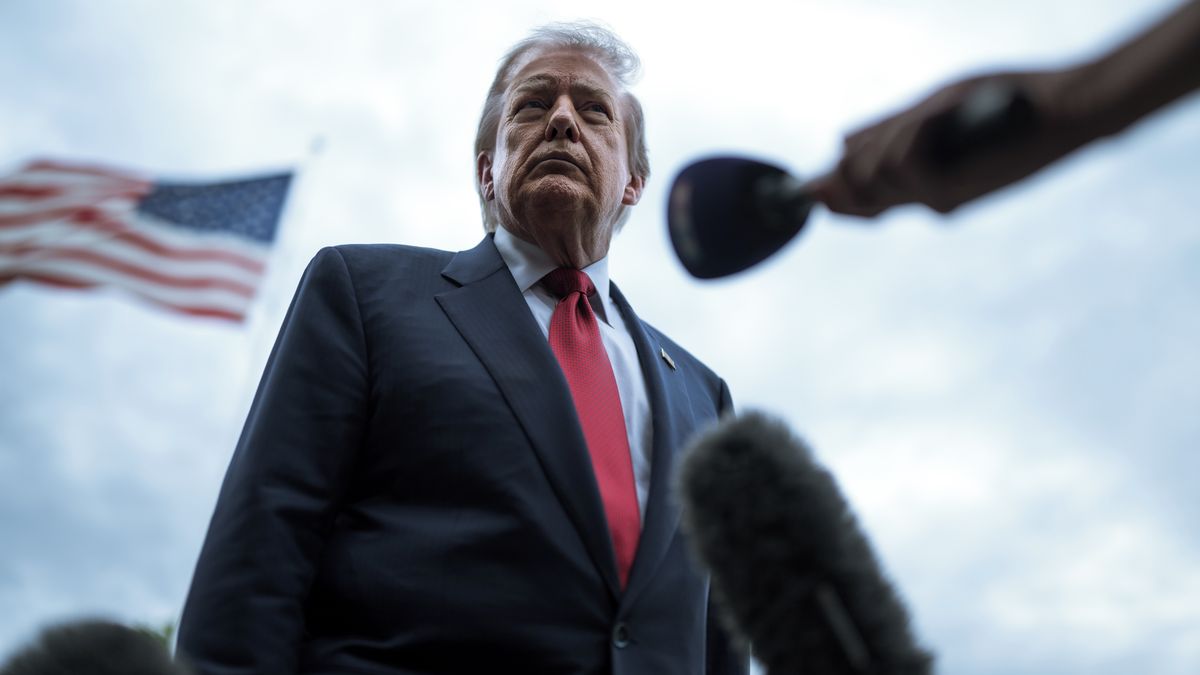
Donald Trump has signaled a return to aggressive trade protectionism, warning that his administration may impose 100% tariffs on countries that implement taxes on digital services. The threat, directed at countries considering or currently enforcing digital services taxes (DSTs), marks a potential escalation in trade tensions.
The proposed retaliatory measures, which Trump characterized in recent public statements as a necessary step to protect American technology companies, target fiscal policies that impact U.S.-based digital giants. According to the Organization for Economic Cooperation and Development (OECD), these digital services taxes are often designed to capture revenue from multinational corporations operating in jurisdictions where they lack a traditional physical presence, a practice that has drawn consistent opposition from Washington.
The Conflict Over Digital Services Taxation
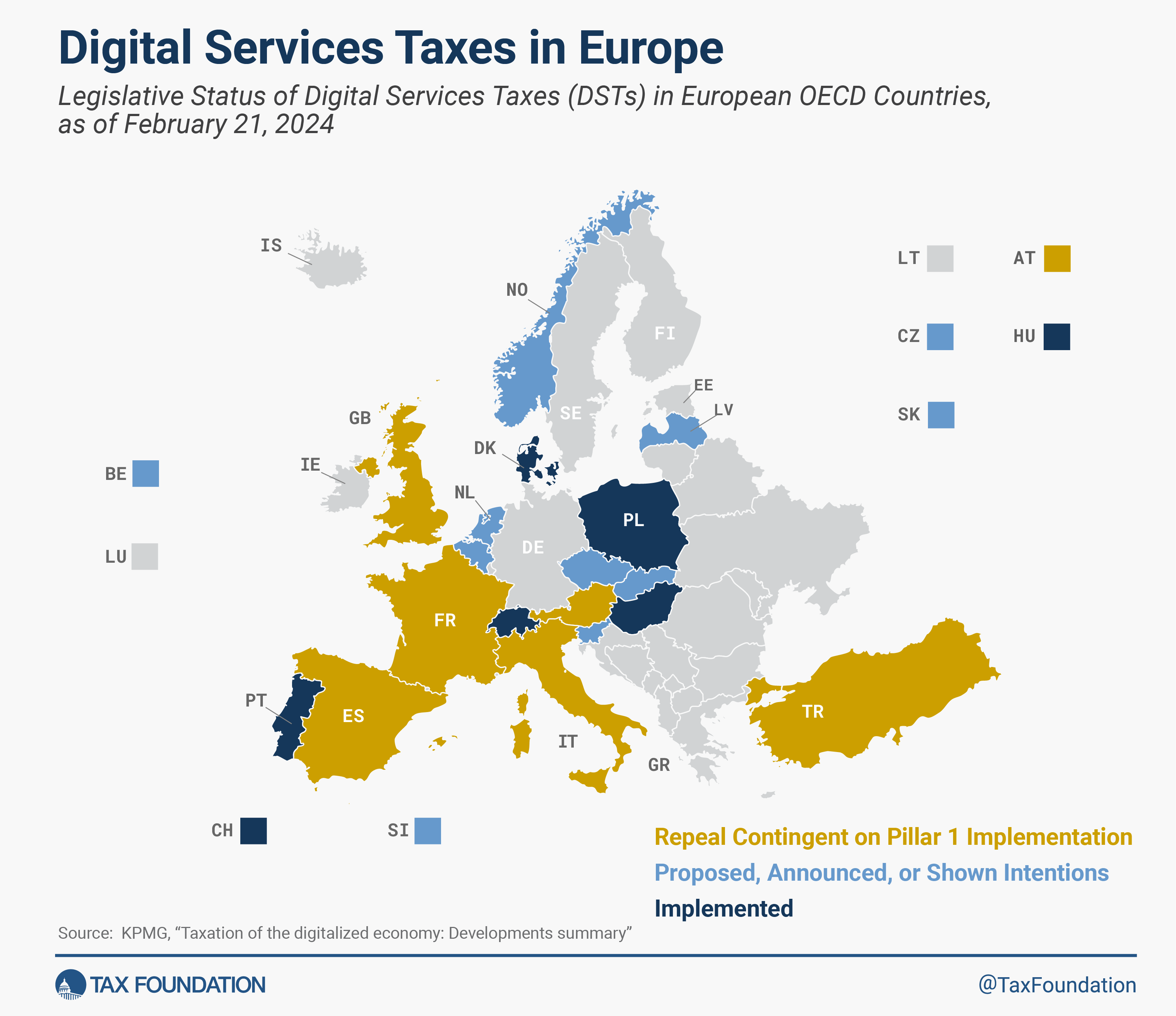
The core of the dispute lies in the divergent views on how to tax the modern digital economy. Many nations, particularly within the European Union, have moved to implement unilateral taxes on digital services to ensure that companies like Google, Meta, and Amazon contribute to public coffers in the countries where their users reside.

By threatening 100% tariffs on nations that enforce these levies, the incoming administration aims to leverage the size of the American market to force a restructuring of international tax agreements. This strategy aligns with a broader “America First” trade philosophy that prioritizes bilateral negotiation over multilateral frameworks.
Global Economic Implications and Market Reaction
Economists warn that a move toward 100% tariffs could trigger a significant trade war, affecting not only the technology sector but also supply chains for manufacturing, agriculture, and consumer goods. According to the World Trade Organization (WTO), such unilateral tariff hikes often violate international trade commitments, potentially leading to retaliatory measures from the European Union and other major trading partners. This cycle of escalation historically results in higher costs for consumers and increased volatility in global financial markets.

For investors and businesses, the uncertainty surrounding the incoming administration’s trade policy has created a period of heightened caution. While some supporters argue that these tariffs are an effective tool to level the playing field for American companies, critics contend that the digital tax issue is better addressed through the ongoing OECD-led global tax reform project. This project, which seeks to establish a global minimum corporate tax rate and a more equitable allocation of taxing rights, has been in development for several years, as detailed in reports from the U.S. Department of the Treasury.
The Path Forward: What Happens Next?
The implementation of such tariff threats will likely depend on the composition of the new cabinet and the legislative priorities of the incoming Congress. Under U.S. law, the President possesses significant authority to impose tariffs under various trade statutes, though these actions are frequently subject to legal challenges and intense lobbying from affected industries. The global community remains in a “wait and see” mode as international trade representatives assess whether the rhetoric signals a permanent policy shift or a tactical opening position for broader trade negotiations.
Official updates regarding trade enforcement actions will be released through the Office of the United States Trade Representative (USTR). Stakeholders are encouraged to monitor the official USTR website for upcoming public notices, potential tariff lists, and information on public hearing schedules regarding trade disputes. As the transition of power concludes, the global focus will shift to whether the U.S. chooses to engage in a collaborative reform of international tax rules or opts for a more confrontational approach that risks fracturing existing trade alliances.
We invite our readers to share their perspectives on the intersection of digital taxation and global trade policy in the comments section below. How do you believe the international community should resolve these fiscal disputes to ensure a stable global economy?
Keep reading