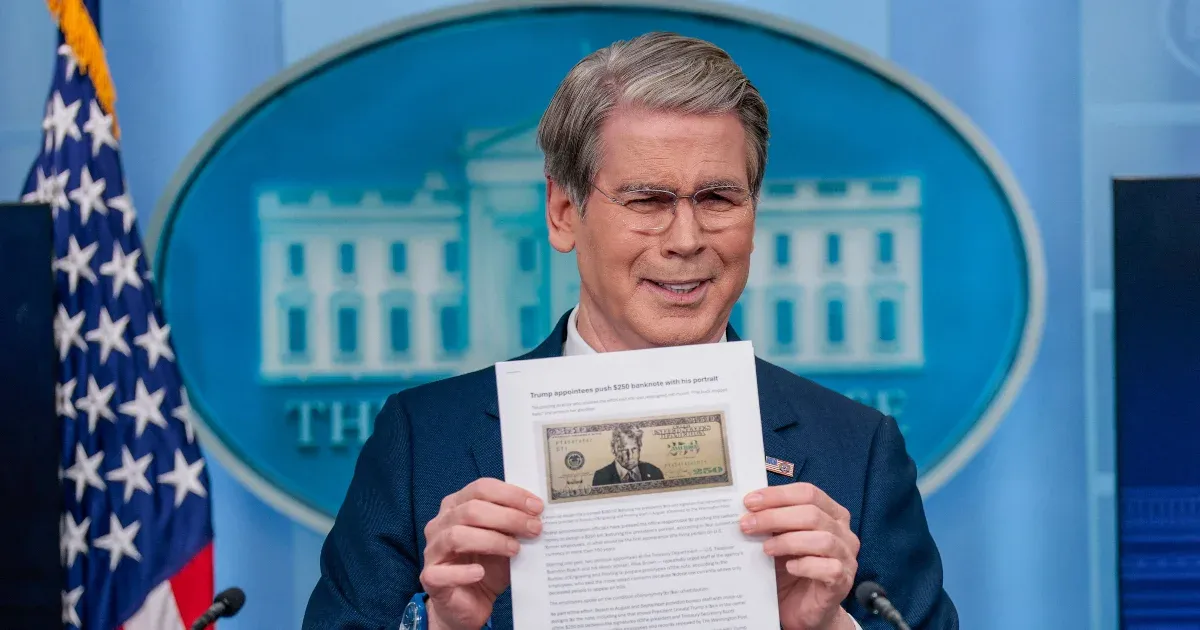
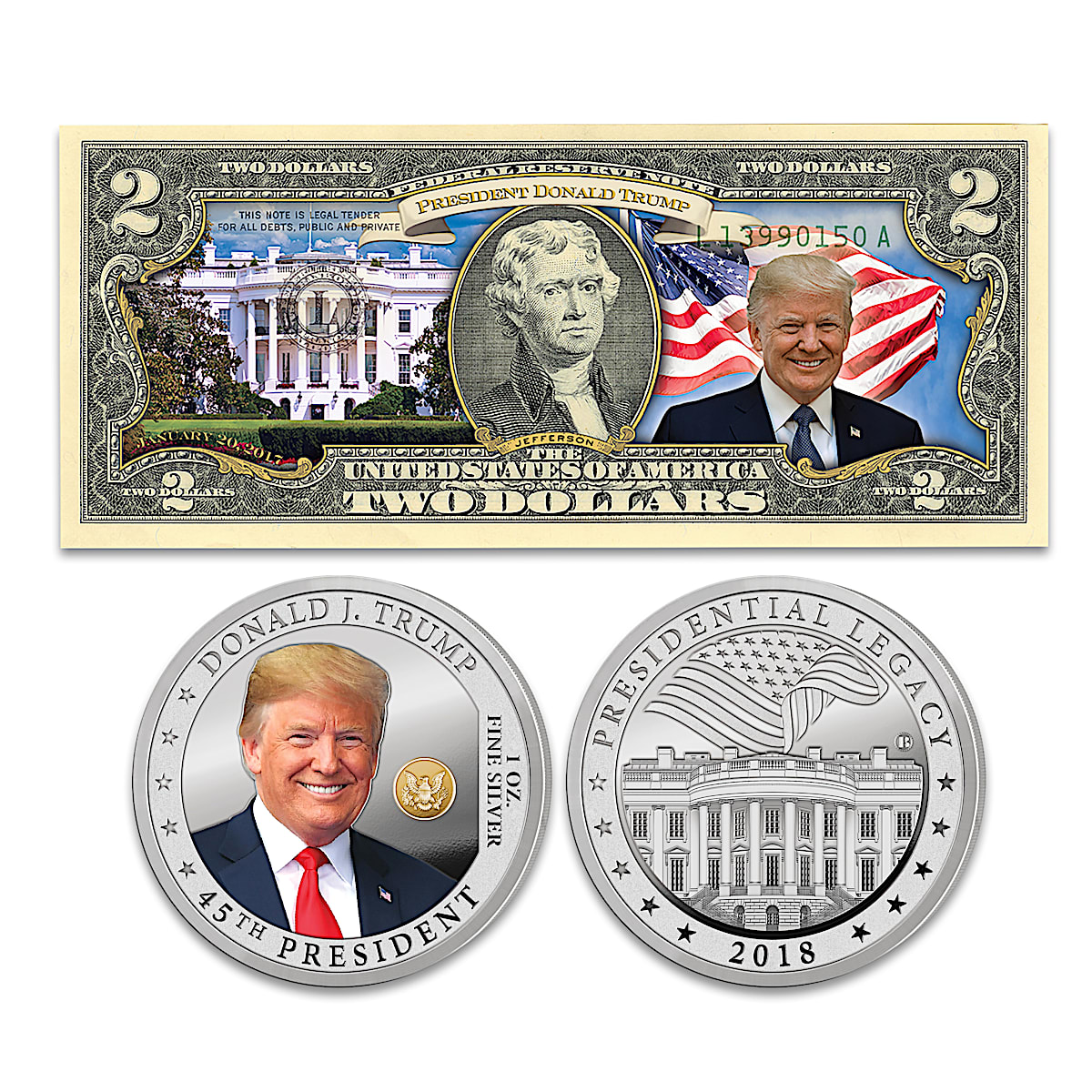
As we navigate the complex intersection of American politics and historical iconography, a recent topic has surfaced regarding the potential for Donald Trump’s likeness to appear on U.S. Currency. While the prospect of a sitting or former president’s image on banknotes often stirs public debate, the reality of changing the face of the American dollar is governed by rigid federal regulations that extend far beyond mere executive preference.
For those of us observing the U.S. Political landscape from abroad, it is essential to distinguish between political rhetoric and the administrative machinery of the United States Treasury. The process of selecting who—or what—appears on paper currency is not a unilateral decision. It is a structured, legal, and historical process that has remained remarkably consistent for over a century, rooted in a tradition that explicitly excludes living individuals from being featured on U.S. Tender.
The Legal Framework Governing U.S. Currency
The primary hurdle for any proposal to feature a contemporary political figure on U.S. Banknotes is federal law. Under current mandates, the portraits on U.S. Paper currency are reserved for deceased individuals. Specifically, 31 U.S. Code § 5114 stipulates that the design of currency must be approved by the Secretary of the Treasury, but long-standing policy and tradition—dating back to the late 19th century—prohibit the depiction of any living person on federal coinage or currency.
The U.S. Government established these safeguards to ensure that the currency serves as a symbol of historical reverence rather than political endorsement. The Bureau of Engraving and Printing, which operates under the Department of the Treasury, oversees the intricate process of banknote design. Any deviation from the established portraits—which currently include figures like George Washington, Abraham Lincoln, and Alexander Hamilton—would require a significant legislative overhaul. Such a move would necessitate not only the approval of the Treasury Secretary but potentially new acts of Congress to bypass established commemorative standards.
Historical Precedent and the “Deceased Only” Rule
The prohibition against living persons on currency is not merely a suggestion; it is a vital component of American institutional integrity. The United States Code has been interpreted by successive administrations to maintain the neutrality of the currency. Historically, the U.S. Has avoided the practice of “personality cult” currency, a phenomenon more common in authoritarian regimes or nations undergoing rapid political transformation. By restricting portraits to deceased historical figures, the United States maintains a sense of historical continuity.
When shifts in currency design do occur, they are typically the result of extensive public consultation and long-term planning. For example, the ongoing efforts to feature Harriet Tubman on the $20 bill involve years of logistical planning and security considerations. These changes are designed to reflect the evolving narrative of American history, rather than the political fortunes of a specific incumbent.
Why the Process Remains Rigid
The stability of the U.S. Dollar is underpinned by the public’s trust in the institution of the Federal Reserve and the Treasury. Any attempt to politicize the physical design of the currency could undermine this trust. From a geopolitical perspective, the U.S. Dollar is the world’s primary reserve currency; its design is recognized globally as a symbol of stable, long-standing democratic processes.
If a legislative change were proposed to alter these standards, it would likely face significant opposition in both the House of Representatives and the Senate. Such a proposal would require a thorough vetting process, including public hearings and debates on the appropriateness of changing a tradition that has stood since the Civil War era. As of now, there is no active legislative movement to amend the statutes governing the portraits on U.S. Currency.
Key Takeaways on Currency Design
- Living Persons Prohibited: Current U.S. Federal law and long-standing Treasury policy mandate that only deceased individuals may appear on paper currency.
- Legislative Hurdles: Any change to this policy would require an act of Congress, a process that is designed to be deliberative and difficult to achieve.
- Institutional Trust: The design of the U.S. Dollar serves as a global symbol of stability; politicizing its imagery could have far-reaching implications for its international standing.
- Treasury Authority: The Department of the Treasury retains the final say on currency design, but it operates within a framework of legal and historical precedent.
Looking Ahead: The Reality of Monetary Policy
For those interested in the future of U.S. Currency, the most reliable information is found through the Federal Reserve and the Department of the Treasury. These institutions release regular updates on design changes, security feature upgrades, and the circulation of new banknotes. Any legitimate shift in the face of the dollar would be announced through official government channels, accompanied by detailed explanations of the legal and historical reasoning behind the move.
As we continue to monitor the intersection of policy and institutional tradition, the face of the American dollar remains firmly rooted in the past. While political discourse often explores the boundaries of what is possible, the legal structure of the United States serves as a firm anchor, ensuring that the currency remains a symbol of the nation’s history rather than the individual of the moment.
We invite our readers to share their thoughts on the importance of maintaining historical continuity in national symbols. As always, for verified updates on U.S. Monetary policy, we encourage you to consult the official archives of the Treasury. Thank you for your continued engagement with our coverage of global affairs.
Keep reading