
The trajectory of the North Atlantic Treaty Organization (NATO) remains under intense scrutiny as Donald Trump’s criticisms of NATO continue to shape the discourse surrounding transatlantic security. In a period marked by shifting geopolitical alignments, the relationship between the United States and its European allies is facing a complex duality of public praise and underlying systemic anxiety.
Recent interactions between U.S. Leadership and the alliance’s top officials have highlighted a stark contrast in perspectives. While diplomatic channels attempt to maintain a facade of unity, the internal perception of the United States within the alliance appears to be fracturing, raising fundamental questions about the future of the collective defense mechanism.
At the center of this tension is the balance between U.S. Leadership and the sovereign security concerns of member states. As the global security environment evolves, the rhetoric emanating from Washington continues to challenge the traditional norms of the North Atlantic Treaty Organization, leaving allies to navigate a landscape where the U.S. Is simultaneously viewed as an indispensable protector and a source of unpredictability.
The Duality of U.S.-NATO Relations
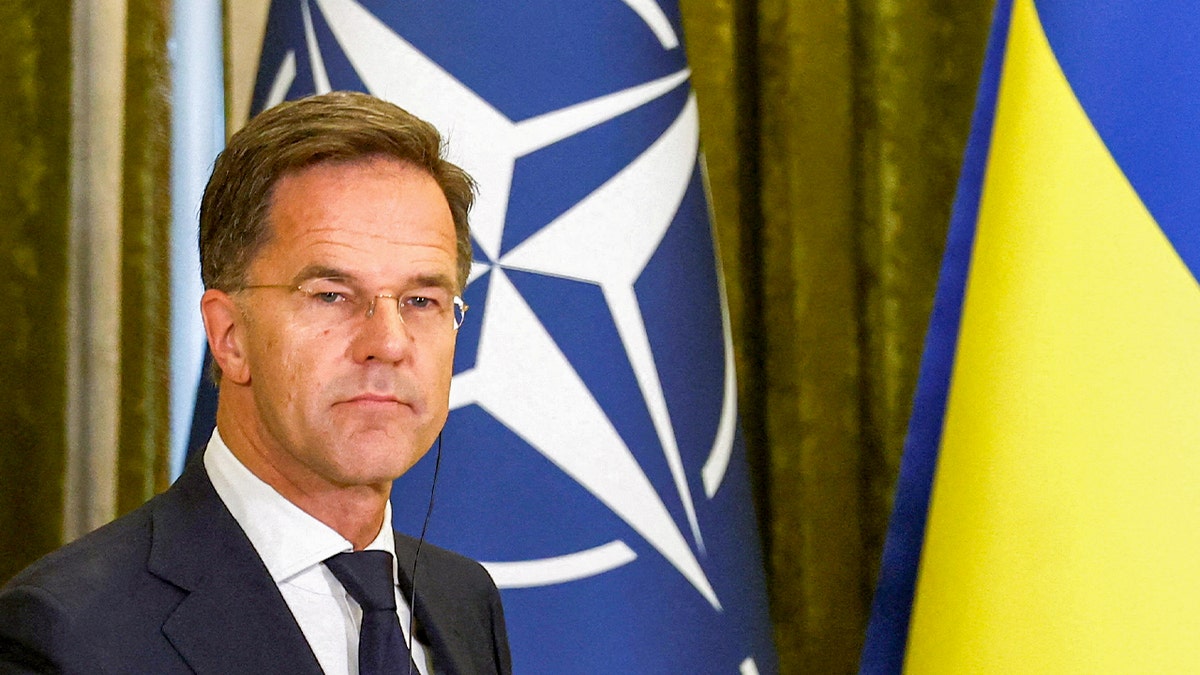
Despite the recurring frictions, there have been notable efforts to bridge the gap between the U.S. Administration and the alliance. NATO Secretary General Mark Rutte has publicly praised US President Donald Trump’s leadership on the world stage, suggesting a desire to maintain a functional and strong partnership Sky News Australia. This praise comes at a time when the alliance is seeking to ensure that the U.S. Remains committed to its defense obligations.
However, this high-level diplomatic optimism is not mirrored across all member states. Reports indicate a growing sense of unease among NATO countries, some of whom now view the United States as a “possible aggressor” France 24. This shift in perception suggests that the unpredictability of U.S. Foreign policy is beginning to outweigh the perceived security benefits of the alliance for some European partners.
This divergence creates a precarious environment for the Secretary General, who must balance the need for U.S. Military capabilities with the need to reassure allies that the alliance remains a stable and predictable entity. The tension is not merely about funding or defense spending, but about the very nature of the transatlantic bond and whether the U.S. Still views the alliance as a strategic asset or a financial burden.
Strategic Discourse at the World Economic Forum
The complexities of these relationships were further underscored during the World Economic Forum in Davos. The NATO Secretary General used the platform to deliver remarks that addressed the current state of global security and the necessity of cohesive action among allies North Atlantic Treaty Organization. These discussions typically focus on the intersection of economic stability and geopolitical security, emphasizing that no single nation can manage modern threats in isolation.
The Davos remarks highlight a broader strategic effort to frame NATO not just as a military pact, but as a cornerstone of global stability. By engaging with global business and political leaders, the alliance seeks to reinforce the idea that a strong, U.S.-led NATO is essential for the global economy. Yet, the persistent Donald Trump’s criticisms of NATO serve as a reminder that the U.S. Role in this stability is subject to the political will of its leadership.
For the global audience, the significance of these debates lies in the “what it means” for international law and collective security. If the U.S. Continues to question the validity of Article 5—the principle that an attack on one member is an attack on all—the deterrent effect of the alliance is diminished, potentially emboldening adversaries in Eastern Europe and beyond.
Key Takeaways on US-NATO Dynamics
- Diplomatic Friction: There is a visible gap between the public praise offered by Secretary General Mark Rutte and the internal fears of some NATO member states.
- Perception Shift: Some alliance members have begun to categorize the U.S. As a “possible aggressor,” indicating a decline in trust.
- Leadership Tension: The alliance is struggling to reconcile the U.S. Demand for increased defense spending with the need for a consistent security guarantee.
- Global Implications: Discussions at forums like Davos emphasize that NATO’s stability is inextricably linked to global economic and geopolitical health.
The Path Forward: Stability or Fragmentation?
As the alliance moves forward, the primary challenge will be managing the expectations of the U.S. Administration while maintaining the trust of European allies. The debate over “burden sharing”—the amount each country spends on its own defense—remains a central point of contention. The U.S. Has long argued that other members are not contributing their fair share, a sentiment that often fuels the rhetoric regarding the alliance’s utility.
What happens next will likely depend on the ability of the NATO Secretary General to mediate between the transactional approach of the U.S. And the institutional approach of the European members. The risk of fragmentation is real; if member states feel that the U.S. Security umbrella is no longer reliable, they may seek alternative security arrangements, further weakening the transatlantic bond.
the future of the North Atlantic Treaty Organization depends on whether it can evolve to meet the demands of a multipolar world without losing its core identity as a collective defense alliance. The tension between leadership and cooperation will continue to be the defining feature of this relationship for the foreseeable future.
The next confirmed checkpoint for the alliance’s strategic direction will be the upcoming official updates and scheduled meetings between the Secretary General and U.S. Officials to discuss defense commitments and strategic goals.
We invite our readers to share their perspectives on the future of the transatlantic alliance in the comments below. How should NATO adapt to shifting U.S. Priorities?