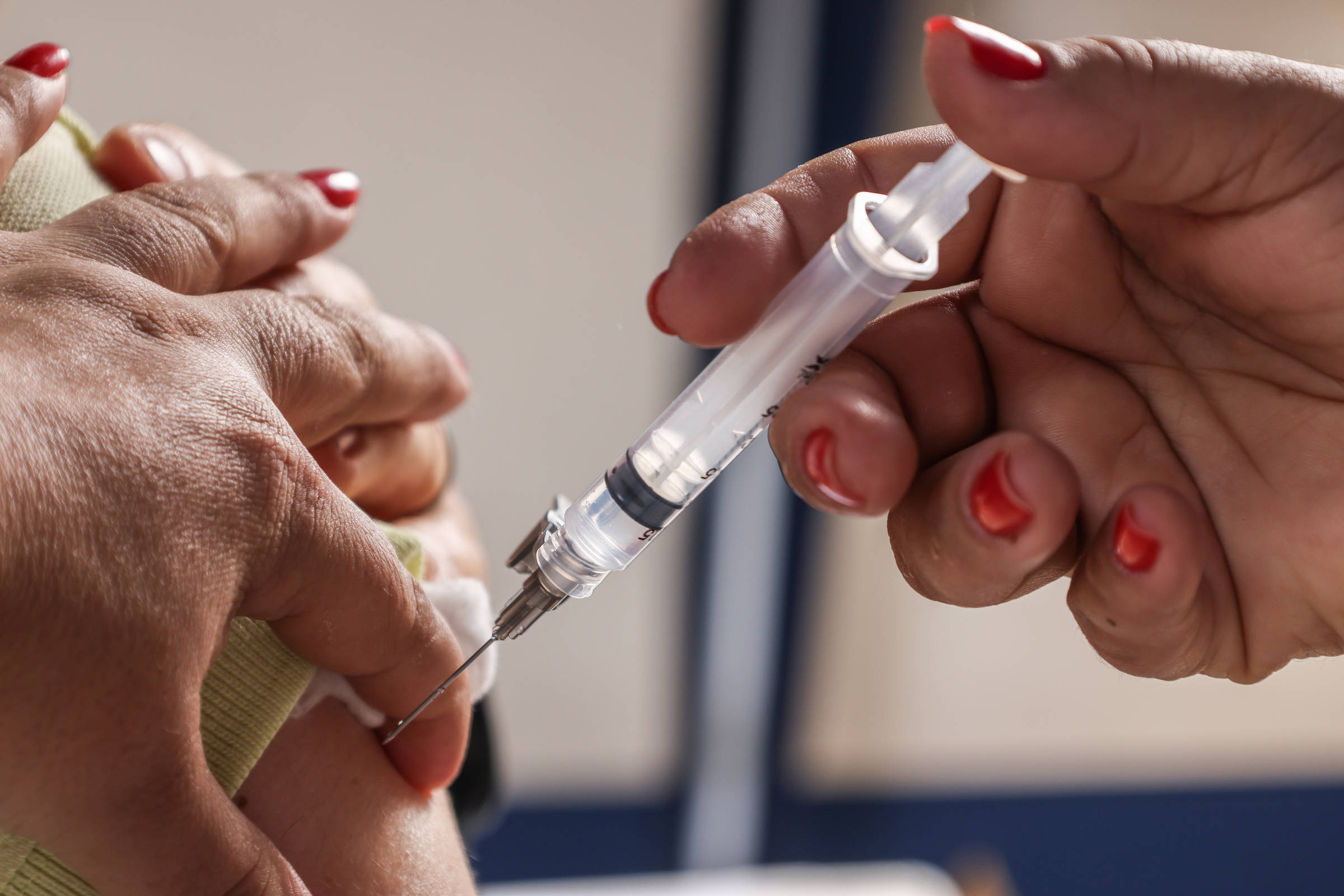
For patients recovering from a stroke, the road to recovery is often fraught with heightened vulnerabilities, where a simple seasonal infection can trigger a catastrophic cardiovascular event. New clinical evidence suggests that a strategic adjustment to immunization—specifically the administration of a double dose of the flu vaccine—could significantly alter these outcomes.
A study conducted by the Einstein Hospital Israelita reveals that receiving a double dose of the influenza vaccine during hospital admission can reduce the risk of death and new hospitalizations by approximately 20% for patients with a history of stroke Folha de S.Paulo. This finding highlights a critical intersection between infectious disease prevention and long-term cardiovascular stability.
The research, published in the International Journal of Stroke (the official journal of the World Stroke Organization), was part of the Proadi-SUS program, a partnership between the Brazilian Ministry of Health and reference hospitals. The study spanned from 2019 to 2022 and involved 30 centers across the South, Southeast, Northeast, and Central-West regions of Brazil, with 90% of the participants being users of the Unified Health System (SUS) Folha de S.Paulo.
As a physician and health journalist, I have seen how systemic inflammation can act as a catalyst for secondary complications. In the case of stroke survivors, the immune response is often compromised, making them more susceptible to the inflammatory cascades triggered by the influenza virus, which in turn can stimulate the formation of blood clots and elevate the risk of further cardiovascular events.
The Biological Link Between Influenza and Stroke
To understand why a double dose of the vaccine is beneficial, one must first understand the relationship between the flu and the vascular system. Influenza is not merely a respiratory ailment; it induces a systemic inflammatory process. This inflammation can destabilize arterial plaques and promote a pro-thrombotic state, increasing the likelihood of a second stroke or a myocardial infarction.
For those who have already suffered a stroke, the biological “buffer” is thinner. The research indicates that these patients face a higher risk because their immune response is already impaired, making the inflammatory impact of the flu more dangerous than it would be for a healthy adult. By enhancing the immune response through a higher vaccine dose, clinicians can potentially mitigate this inflammatory trigger.
This is not the only evidence linking flu vaccination to cardiovascular protection. A separate study published in Eurosurveillance analyzed data from 1,221 adults in Denmark and found that flu vaccination can significantly reduce the risk of heart attack and stroke, even in individuals who still contract the flu after being immunized O Globo. In those infected cases, the vaccine was shown to halve the increase in cardiovascular complication risks by preventing the severe inflammation caused by the virus O Globo.
Clinical Implications of the Double-Dose Strategy
The Einstein Hospital Israelita study specifically focused on the timing and dosage of the vaccine. The administration of the double dose while the patient is still hospitalized for their stroke provides a critical window of protection. According to Henrique Fonseca, leader of the Clinical Studies Center in Immunology and Vaccines at Einstein and senior author of the study, patients at incredibly high risk or those who have suffered a heart attack have shown consistent results in mortality reduction through influenza vaccination Folha de S.Paulo.
The “double dose” approach is designed to overcome the diminished immune response often seen in elderly patients or those with severe comorbidities. By increasing the antigenic load, the vaccine is more likely to provoke a robust enough antibody response to prevent the severe inflammatory episodes that lead to secondary strokes or death.
Data shared via social media channels reinforces that among participants who had previously suffered a stroke, those who received the double dose exhibited fewer cardiovascular and respiratory events Instagram.
Comparing Vaccination Impacts on Cardiovascular Health
The emerging data suggests that influenza vaccines serve a dual purpose: they prevent the primary infection and act as a secondary shield against vascular complications. The following table summarizes the key findings from the recent research mentioned in these reports.
| Study Focus | Key Finding | Primary Benefit |
|---|---|---|
| Stroke Patients (Brazil) | Double dose during hospitalization | 20% reduction in death and re-hospitalization Folha de S.Paulo |
| General Adults (Denmark) | Standard vaccination | Halved the risk of cardiovascular complications in infected individuals O Globo |
| Influenza Virus Impact | Unvaccinated/Infected | Increased inflammation and clot formation Folha de S.Paulo |
Key Takeaways for Patients and Caregivers
- Inflammation is the Enemy: The flu triggers inflammation that can lead to blood clots, which is particularly dangerous for those with a history of stroke.
- Timing Matters: Receiving the vaccine during the hospital stay following a stroke may optimize the window for protection.
- Dosage Matters: For high-risk stroke patients, a double dose may be more effective at reducing mortality and hospital readmission than a standard dose.
- Broad Protection: Vaccination helps reduce the risk of heart attack and stroke even if the patient still contracts the influenza virus.
For those managing the care of a stroke survivor, it is essential to discuss vaccination schedules with their neurology and internal medicine teams. While the standard annual flu shot is recommended for the general population, the specific needs of stroke survivors may require a more tailored approach, such as the increased dosage discussed in the Einstein Hospital study.
The next step for healthcare providers will be the integration of these findings into standard post-stroke care protocols. As we continue to monitor the long-term effects of these immunization strategies, the focus remains on reducing the burden of secondary cardiovascular events in vulnerable populations.
Do you have a family member recovering from a stroke? We encourage you to share this article with their healthcare provider to discuss the latest vaccination guidelines. Let us know your thoughts or questions in the comments below.