
Diplomatic efforts surrounding Donald Trump’s approach to Iran have sparked intense international debate, with critics characterizing his administration’s proposed framework as a significant shift in United States foreign policy toward the Middle East. While proponents argue that new negotiations represent a pragmatic path to regional stability, skeptics suggest the strategy functions as a retreat from long-standing American security commitments and a concession to Tehran’s geopolitical objectives.
The core of this debate centers on whether the administration’s transactional approach to diplomacy effectively balances national interests or risks undermining the security architecture that has defined U.S. involvement in the region for decades. As the situation evolves, international observers and regional stakeholders are closely monitoring how these potential shifts could alter the balance of power between Washington, Tehran, and key Arab allies.
Evaluating the Shift in U.S. Middle East Strategy
The current discourse regarding Donald Trump’s Iran peace deal often frames the administration’s strategy as a move away from the “maximum pressure” campaign that characterized his first term. According to reports from the Reuters news agency, the administration has signaled a renewed interest in diplomatic engagement aimed at preventing a nuclear breakout, a move that some analysts interpret as an acknowledgment of the limitations of economic sanctions. However, this pivot has invited scrutiny from traditional allies who fear that a deal might prioritize short-term containment over long-term regional security.
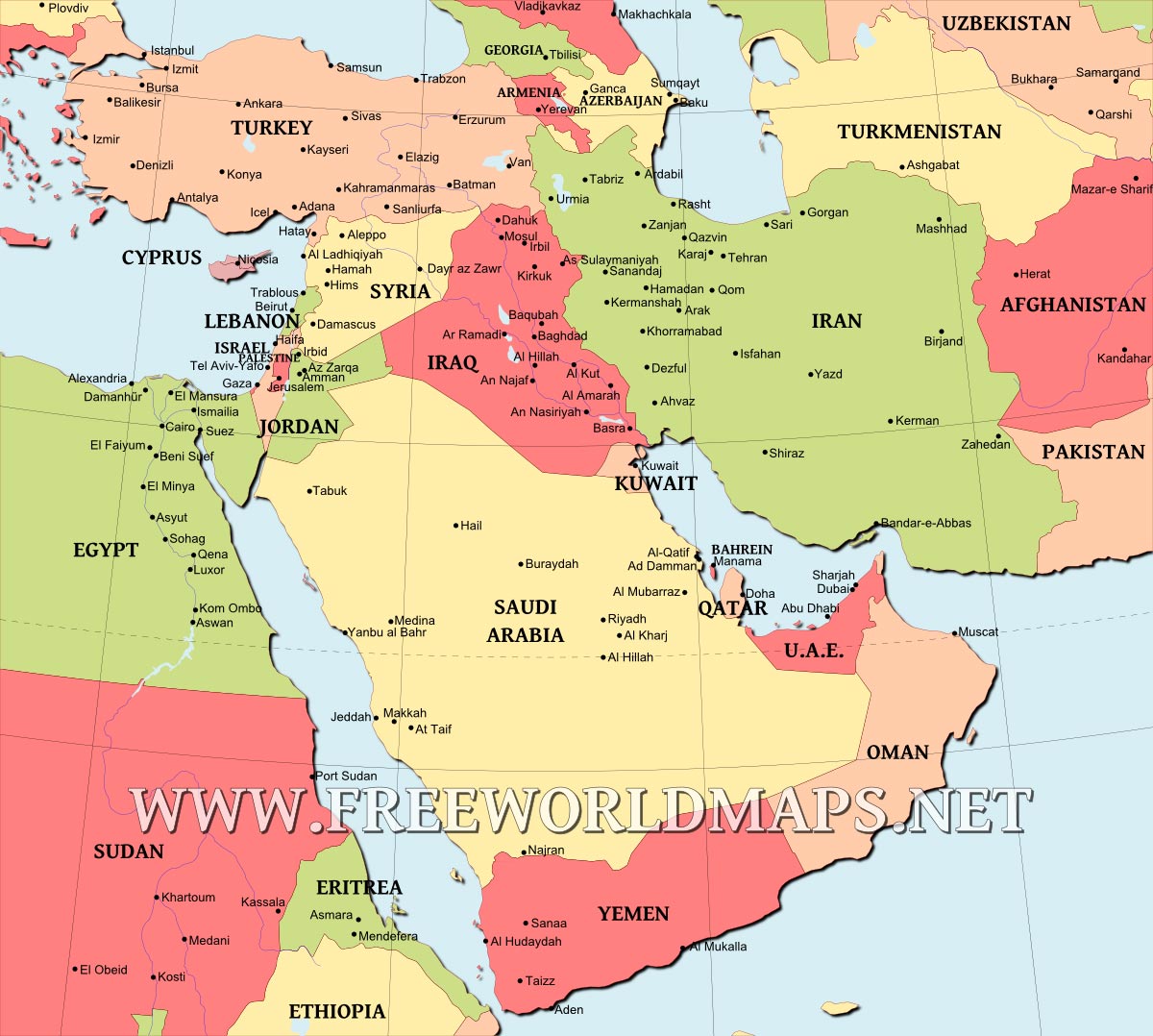
Critics frequently point to the potential for a “multi-billion pound” or dollar-denominated concession—referencing the unfreezing of assets or sanctions relief—as a sign that the U.S. is trading its leverage for temporary political wins. The Council on Foreign Relations notes that previous attempts to reach a comprehensive agreement with Iran have consistently struggled to address Tehran’s regional influence and ballistic missile program, issues that remain at the heart of current tensions.
Regional Security and the Impact on Alliances
The potential for a revised peace deal carries significant weight for regional actors, particularly Israel and the Gulf Cooperation Council (GCC) states. These nations have historically viewed a strong U.S. presence as a necessary counterweight to Iranian influence. The U.S. Department of State maintains that any diplomatic path must be coordinated with regional partners to ensure collective security, yet the perception of a U.S. “retreat” persists among analysts who monitor shifts in military posture and diplomatic rhetoric.

Data regarding the impact of sanctions and the potential for economic relief remains a focal point for researchers. The International Monetary Fund has provided extensive analysis on the Iranian economy, noting that the country’s fiscal health is heavily tied to its ability to export oil, which is currently restricted by international sanctions. Any agreement that eases these constraints would, by definition, provide Tehran with the capital to bolster its domestic and regional operations, a fact that remains a primary concern for critics of the administration’s current trajectory.
Perspectives on Diplomatic Failure and Success
The characterization of the negotiations as a “failure by Washington” often stems from a fundamental disagreement over the goals of the deal. Those who advocate for the administration’s approach argue that the primary objective is to avoid military escalation, which they assert would be far more costly—both in financial terms and human lives—than a diplomatic compromise. Supporters often cite the precedent of past negotiations, such as the JCPOA, as evidence that engagement, however imperfect, is the only viable alternative to conflict.
Conversely, those who label the strategy a retreat argue that the U.S. is abandoning its role as a regional guarantor. According to the Atlantic Council, the challenge for the current administration lies in reconciling the desire to avoid “endless wars” with the necessity of maintaining a credible deterrent against Iranian regional activities. This tension defines the current political climate, as both sides of the aisle debate the efficacy of negotiation versus confrontation.
Next Steps in the Diplomatic Process
The timeline for these negotiations remains fluid, with no formal agreement currently signed. The next confirmed checkpoint involves ongoing discussions between international mediators and Iranian officials, expected to intensify following the next session of the United Nations General Assembly or upcoming high-level bilateral meetings. Observers should monitor official statements from the White House and the Iranian Foreign Ministry for updates on the scope of any potential framework.
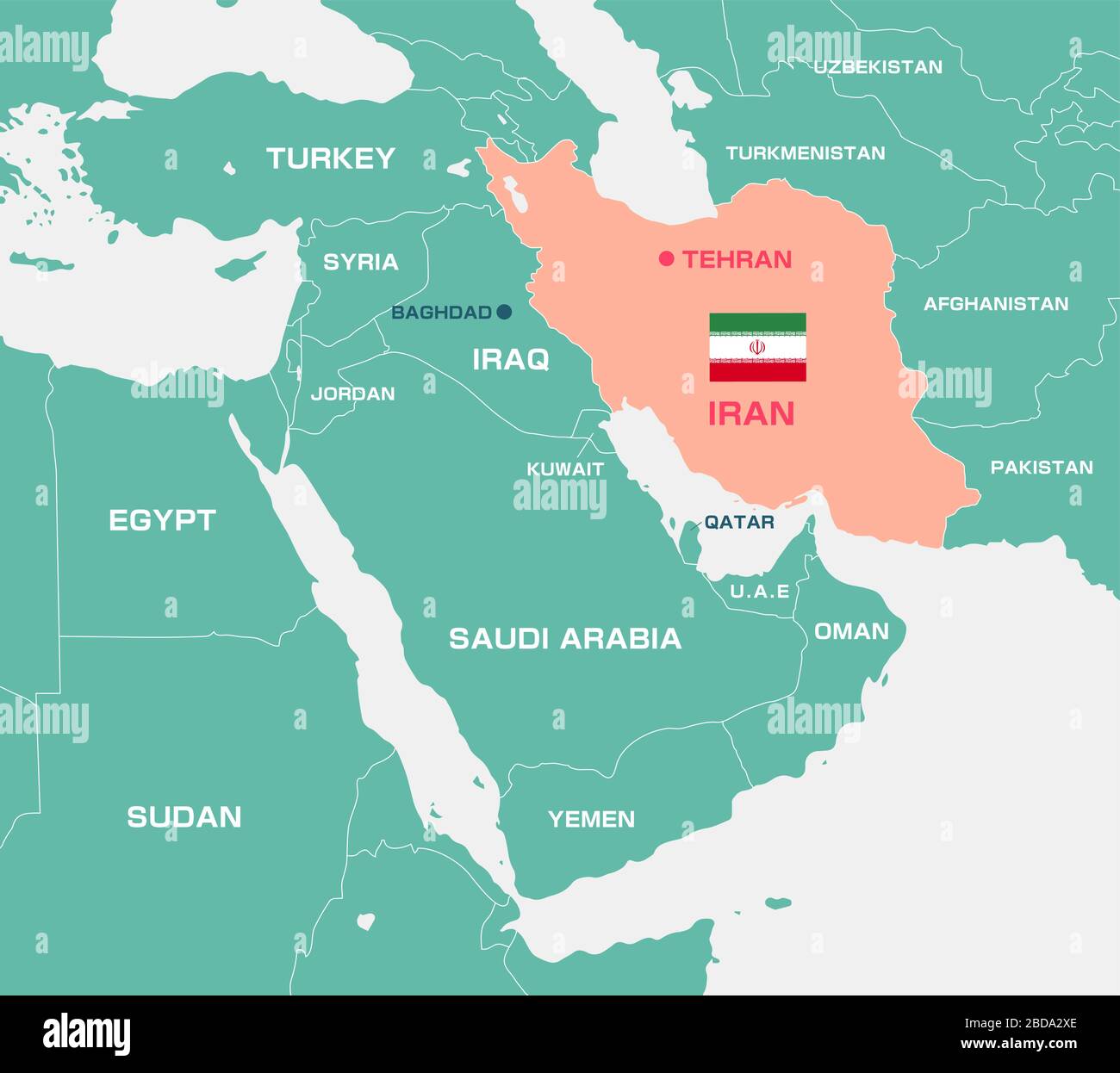
As the administration continues to navigate these complex diplomatic waters, the outcome will likely hinge on whether Washington can successfully integrate its regional security objectives with the realities of Tehran’s domestic priorities. For ongoing updates on this developing situation, readers are encouraged to follow official press briefings from the U.S. Department of State and monitor verified reporting from global news outlets. We invite you to share your thoughts on the future of U.S.-Iran relations in the comments section below.
Related reading
- Dallas Mavericks in the Late 90s and 2000s: Don Nelson’s Era
- Darline Graham Faces Crowded Senate Primary in South Carolina
- Federal Reserve Data Reveals Worsening Financial Security and Job Loss for Black Americans in Trump Economy (world-today-news.com)
- Tariff vs. Price Floor: What Trump's New Solar Rule Does (daybreakwire.com)