
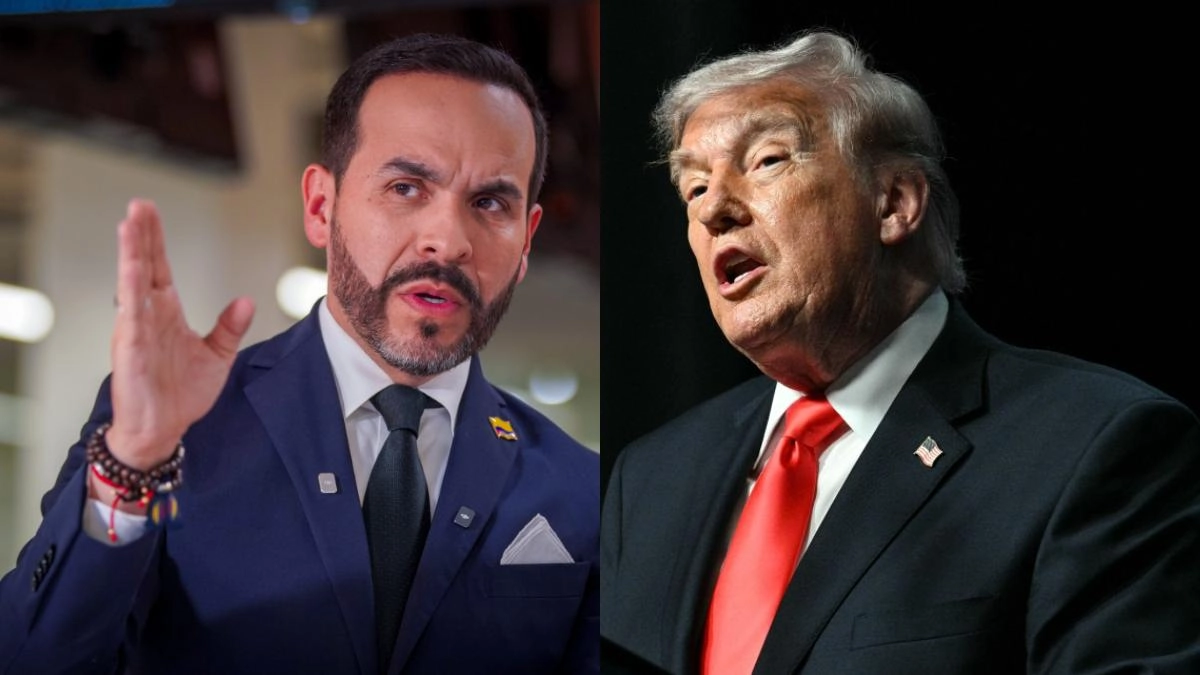
Former U.S. President Donald Trump has publicly voiced support for Colombian lawyer Abelardo de la Espriella, encouraging voters to support the attorney in a message that has triggered significant debate regarding foreign influence in Colombian domestic affairs. The endorsement, which surfaced via social media, has drawn sharp criticism from U.S. lawmakers who argue that such interventions complicate the diplomatic relationship between Washington and Bogotá.
The involvement of a former U.S. head of state in a foreign electoral process is rare and has prompted formal pushback from members of the United States Congress. According to documentation from the U.S. House of Representatives, several members have formally expressed opposition to what they characterize as external interference in the internal political processes of Colombia. This development adds a layer of complexity to the bilateral ties between the two nations, which have historically cooperated on issues ranging from narcotics interdiction to regional security.
Congressional Response and Allegations of Interference
The response from the U.S. legislative branch has been swift, with a group of Democratic representatives issuing a formal letter denouncing the move. These lawmakers have formally requested that the U.S. Department of Justice investigate the professional activities of Abelardo de la Espriella. As reported by El País, the coalition of legislators cited concerns regarding the attorney’s alleged connections to various high-profile figures and entities, including past associations linked to paramilitary organizations and the businessman Alex Saab.

The request for an investigation highlights the scrutiny surrounding De la Espriella’s legal practice in Florida and his broader political network. According to reporting from MSN, eleven U.S. congresspeople signed the petition, arguing that the nature of these business and political ties warrants a comprehensive review by federal authorities. The letter serves as a formal mechanism to elevate these concerns to the executive branch, marking a shift from informal criticism to active oversight efforts.
The Political Impact of International Endorsements
The endorsement of a local political figure by a prominent American politician creates a unique dynamic within the Colombian electoral cycle. Analysts suggest that such interventions can be a double-edged sword for candidates. According to coverage by France 24, while an endorsement from a figure with a global profile like Trump may consolidate support among specific conservative demographics, it simultaneously provides political ammunition for opponents to frame the candidate as being overly reliant on or influenced by foreign interests.
This framing is particularly relevant during the heightened intensity of a runoff election, or “balotaje,” where candidates strive to capture undecided voters who may be wary of external political agendas. The debate centers on the sovereignty of the Colombian electorate and the appropriateness of U.S. figures taking sides in a sovereign nation’s political contest. By shifting the conversation toward the nature of the endorsement, campaigns are forced to navigate the perception of their international alliances rather than focusing solely on domestic policy platforms.
Legal and Diplomatic Context
At the heart of the controversy is the intersection of private legal practice and public political influence. The allegations concerning De la Espriella involve specific business interests in the United States, which fall under the purview of federal oversight if potential violations of the Foreign Agents Registration Act (FARA) or other financial regulations are suspected. While the Department of Justice has not publicly confirmed the opening of a formal investigation based on the letter, the act of petitioning the agency signals a significant escalation in the political pressure applied to the attorney.
The diplomatic relationship between the U.S. and Colombia is governed by long-standing treaties and strategic partnerships. Historically, the U.S. has maintained a policy of non-interference in the internal elections of its regional allies to preserve the integrity of those democratic processes. The current situation tests this precedent, as the actions of a former president—who remains a central figure in American politics—are being treated by current members of Congress as a breach of standard diplomatic protocol.
Next Steps in the Oversight Process
The current situation remains fluid as stakeholders wait to see how the Department of Justice responds to the formal request from Congress. There is no set deadline for federal agencies to respond to such inquiries, meaning the matter may persist as a point of contention throughout the remainder of the election cycle. Observers are also monitoring whether additional lawmakers will join the call for an investigation or if the initial signatories will pursue further legislative actions, such as committee hearings or additional requests for information from relevant regulatory bodies.
For voters and international observers, the situation underscores the influence that global figures hold in local elections through social media and digital communication. As the political landscape continues to evolve, the impact of these endorsements on voter turnout and public opinion remains a primary focus for political analysts. Readers interested in the official status of these inquiries should monitor updates from the Department of Justice press office and official Congressional records for any developments regarding the petition.
We invite our readers to share their perspectives on the role of international figures in domestic elections in the comments section below.