
Short bursts of physical activity, known as exercise snacks, do not necessarily disrupt sleep when performed in the evening, provided they remain brief and of moderate intensity. While prolonged, high-intensity training can raise core body temperature and delay sleep onset, short-duration movements may support metabolic health without interfering with the body’s natural circadian rhythm.
The long-standing advice to avoid vigorous exercise late in the day is undergoing revision as sports scientists and sleep researchers examine the impact of movement duration and intensity. For many individuals, the choice between a long evening gym session and total inactivity presents a difficult trade-off between physical fitness and restorative rest. New perspectives suggest that “exercise snacks”—brief, high-frequency bouts of activity—offer a middle ground that may mitigate these risks.
According to the Sleep Foundation, the timing and type of exercise are the primary factors determining whether physical activity aids or hinders sleep. While heavy lifting or intense cardiovascular training can spike heart rate and cortisol levels, short sessions of moderate movement do not appear to trigger the same physiological disruptions.
What are exercise snacks and how do they function?
The term “exercise snack” refers to short, intense, or moderate bursts of physical activity that typically last between one and ten minutes. Unlike a traditional workout, which requires a dedicated block of time and often a period of sustained high heart rate, an exercise snack is designed to be integrated into existing daily routines. Examples include climbing several flights of stairs, performing a quick set of bodyweight squats, or engaging in a brief period of brisk walking.
Research into metabolic health suggests that these micro-sessions can improve glucose regulation and insulin sensitivity. The primary mechanism involves the rapid activation of skeletal muscles, which helps clear glucose from the bloodstream. For those working sedentary jobs, these snacks serve as a tool to break up prolonged periods of sitting, which is a known risk factor for metabolic dysfunction.
In the context of evening routines, the brevity of these sessions is the critical variable. Because the duration is limited, the body’s sympathetic nervous system—the “fight or flight” response—is less likely to remain in a state of heightened arousal. This allows for a more efficient transition to the parasympathetic nervous system, which governs the “rest and digest” functions necessary for sleep onset.
Why does exercise intensity impact sleep onset?
The relationship between exercise and sleep is largely driven by two physiological factors: core body temperature and hormone regulation. To initiate sleep, the human body must undergo a natural drop in core temperature. Vigorous, long-duration exercise creates significant metabolic heat, which can take several hours to dissipate. If this temperature spike occurs too close to bedtime, it can lead to increased sleep onset latency, the technical term for the time it takes to fall asleep.
Furthermore, intense exercise can influence the endocrine system. The Mayo Clinic notes that high-intensity interval training (HIIT) or heavy resistance training can trigger the release of cortisol, a stress hormone that promotes alertness. While cortisol is essential for waking up in the morning, elevated levels in the evening can act as a physiological stimulant, making it difficult for the brain to transition into sleep cycles.
Exercise snacks avoid these pitfalls through their limited duration. A five-minute bout of activity may increase heart rate temporarily, but it is unlikely to raise the core body temperature to a level that requires a prolonged cooling period. Similarly, the cortisol spike associated with a short burst of movement is generally more transient than the sustained hormonal response seen in a 60-minute high-intensity session.
| Exercise Type | Typical Duration | Primary Physiological Impact | Potential Sleep Disruption |
|---|---|---|---|
| High-Intensity (HIIT) | 30–60+ minutes | Significant temperature rise; high cortisol | High |
| Moderate Cardio | 20–45 minutes | Moderate temperature rise; steady heart rate | Moderate |
| Exercise Snacks | 1–10 minutes | Transient heart rate increase; minimal heat | Low |
| Low-Intensity (Yoga/Stretching) | 10–30 minutes | Parasympathetic activation; temperature drop | Very Low (Beneficial) |
Can short bursts improve metabolic health at night?
One of the primary benefits of evening movement is its impact on post-dinner glucose levels. After consuming a meal, blood sugar levels naturally rise. Engaging in a brief period of activity, such as a ten-minute walk or a series of light movements, can help the muscles utilize that glucose more effectively. This process helps prevent the large glucose spikes that are linked to metabolic issues and can actually lead to more stable energy levels throughout the night.
The concept of “metabolic flexibility”—the body’s ability to switch between burning carbohydrates and burning fat—is also supported by consistent, short-duration movements. By providing these small metabolic “nudges” throughout the day and evening, individuals can maintain more consistent insulin sensitivity. This is particularly relevant for populations at risk for type 2 diabetes or metabolic syndrome, where managing postprandial (after-meal) glucose is a clinical priority.
However, researchers emphasize that these snacks should not be viewed as a total replacement for structured physical activity. While exercise snacks are highly effective for metabolic maintenance and breaking sedentary patterns, they do not provide the same cardiovascular conditioning or muscular hypertrophy benefits as longer, more structured training sessions. They are a supplemental tool rather than a primary fitness strategy.
How to time your movements for better rest
To maximize the benefits of evening movement without sacrificing sleep, timing remains the most important factor. Experts generally recommend a “buffer zone” between the cessation of activity and the intended sleep time. For most people, this window should be at least 60 to 90 minutes.
If an individual chooses to engage in an exercise snack, the following guidelines can help ensure it supports, rather than hinders, the sleep cycle:
- Prioritize low-impact movements: If the goal is purely relaxation, activities like stretching or restorative yoga are more effective at lowering the heart rate than vigorous movements.
- Monitor intensity: If using an exercise snack to boost metabolism, aim for a level of intensity where you can still hold a conversation. If you are gasping for air, the session may be too intense for late-evening timing.
- Use light as a cue: Avoid bright, blue-light-emitting screens during evening movement. If using a fitness tracker or a phone for a guided session, dim the screen brightness to avoid suppressing melatonin production.
- Focus on the “cool down”: Even with a short session, ending with deep, diaphragmatic breathing can help signal to the nervous system that the period of activity has concluded.
For those who find that even short bursts of activity leave them feeling “wired,” adjusting the type of movement is more effective than adjusting the time. Shifting from a stair-climbing snack to a light walking snack can provide the metabolic benefits without the sympathetic nervous system stimulation.
Frequently Asked Questions
Will a 5-minute walk after dinner help me sleep?
Yes. A brief, low-intensity walk after a meal can aid digestion and help regulate blood glucose levels without significantly raising core body temperature or cortisol, making it an ideal evening activity for most people.
Is it better to exercise in the morning or the evening?
Both have benefits. Morning exercise can help set the circadian rhythm and increase alertness. Evening exercise, if kept moderate and brief, can help manage glucose levels. The “best” time depends on individual chronotypes and personal schedule consistency.
Can HIIT be done in the evening?
It is possible, but it carries a higher risk of sleep disruption. If you perform HIIT in the evening, it is recommended to finish at least two hours before bed to allow body temperature and heart rate to return to baseline levels.
Does exercise help with insomnia?
Regular physical activity is broadly associated with improved sleep quality and duration. However, the relationship is complex; consistent, moderate-intensity exercise is generally more helpful for sleep stability than sporadic, high-intensity sessions.
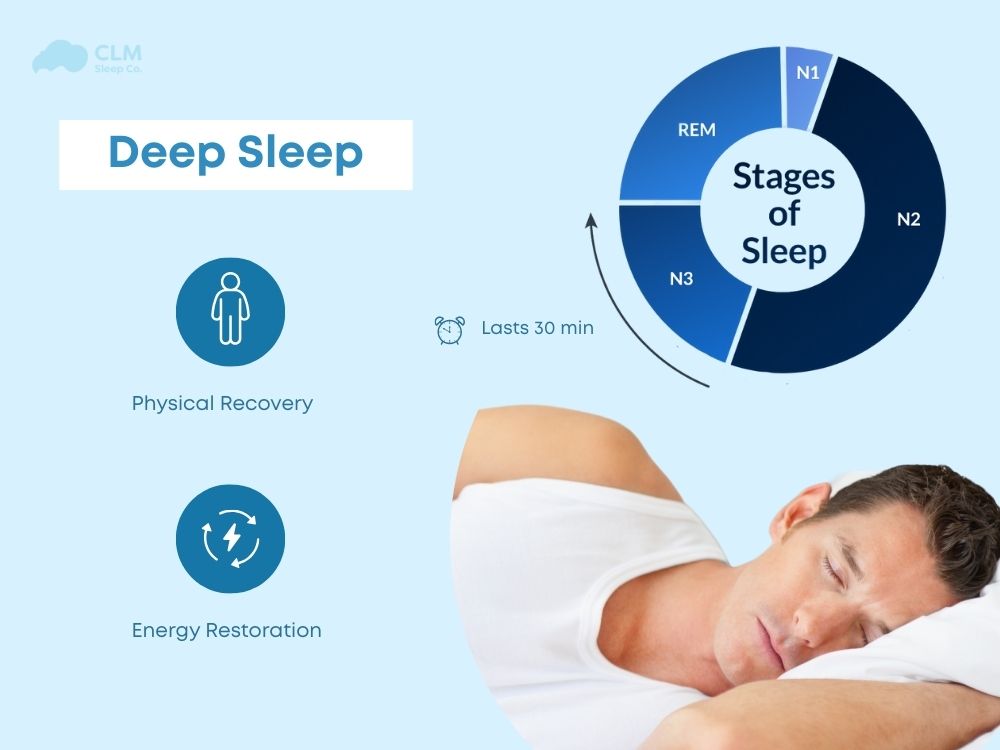
Ongoing research into the intersection of chronobiology and exercise continues to evolve. Scientists are currently investigating how specific types of movement affect the architecture of sleep stages, particularly Deep Sleep and REM sleep. Future studies from major sleep research institutes are expected to provide more granular data on the exact intensity thresholds that trigger sleep onset delays.
Share your thoughts: Do you find that evening movement helps you relax, or does it keep you awake? Let us know in the comments below, and share this article with anyone looking to balance fitness with better sleep.