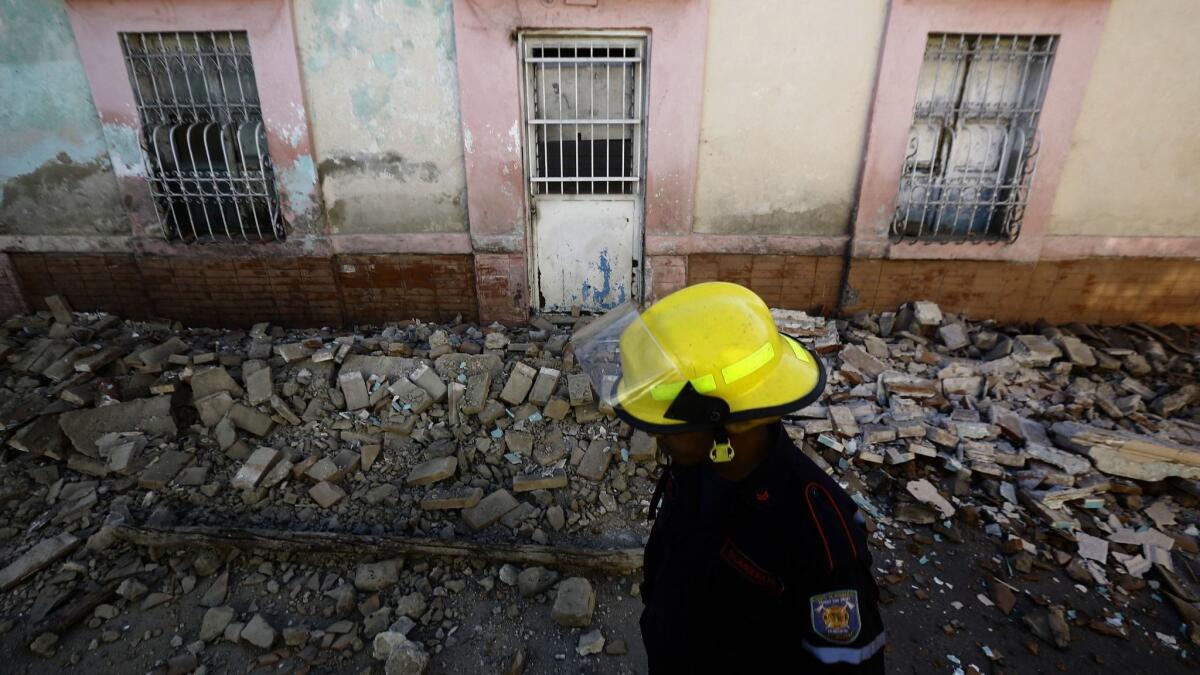
La Guaira, the primary port city serving the Venezuelan capital of Caracas, has sustained significant infrastructure damage following recent seismic activity that impacted the coastal region. While local authorities and international monitoring agencies continue to assess the structural integrity of the area, the event has prompted urgent concerns regarding the vulnerability of Venezuela’s critical maritime logistics hubs. According to reports from the United States Geological Survey (USGS), seismic events in this tectonically active region require ongoing monitoring to ensure public safety and the stability of essential supply chains.
The port of La Guaira serves as the most important maritime gateway for Venezuela, handling a substantial portion of the nation’s imports and exports. Following the tremors, residents and local businesses reported structural cracks in older buildings and disruption to municipal services. Officials from the Venezuelan government, including representatives from the Fundación Venezolana de Investigaciones Sismológicas (FUNVISIS), have initiated inspections to determine the extent of the impact on port facilities and surrounding residential districts. As of the latest updates, emergency management teams remain on alert to address potential aftershocks or secondary risks to the city’s dense urban infrastructure.
Geological Context and Regional Seismic Risk
The Caribbean plate’s interaction with the South American plate creates a complex boundary that makes northern Venezuela, including the state of La Guaira, particularly susceptible to earthquakes. Geological data provided by the USGS earthquake hazard program indicates that the region is prone to shallow-focus earthquakes, which often result in more intense surface shaking. Historical records suggest that this specific coastal stretch has experienced significant seismic events in the past, leading to stringent, albeit inconsistently enforced, building codes in newer developments.
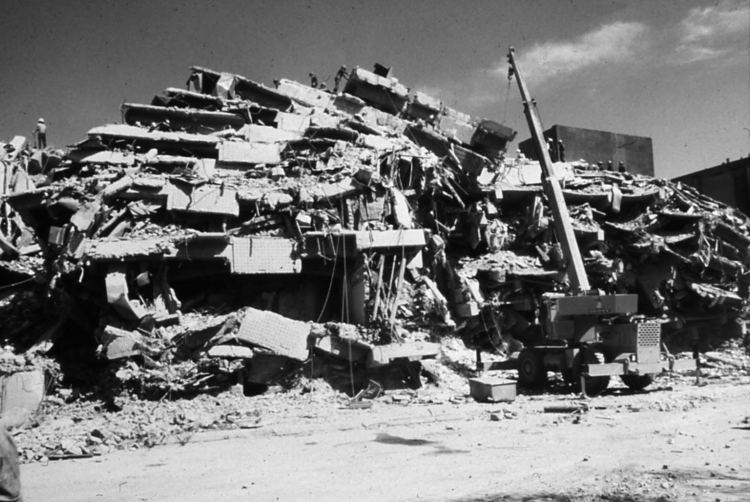
Local authorities often emphasize the importance of disaster preparedness in coastal cities where topography complicates evacuation routes. The steep terrain of the El Ávila National Park, which separates La Guaira from Caracas, poses additional risks during seismic events, specifically regarding landslides that can obstruct the primary transit arteries between the port and the capital. According to guidelines published by the United Nations Office for Disaster Risk Reduction (UNDRR), resilient infrastructure planning is essential for cities like La Guaira to mitigate the economic and humanitarian consequences of recurring tectonic shifts.
Infrastructure Impact and Economic Consequences
The disruption of operations at the port of La Guaira carries immediate implications for the national economy. As a central node for the distribution of goods, any sustained shutdown or reduction in port capacity restricts the flow of essential supplies into the Caracas metropolitan area. While preliminary assessments by the Bolivariana de Puertos (Bolipuertos)—the state entity managing the facility—have not yet released a comprehensive damage report, logistics experts suggest that even minor structural issues can lead to significant delays in cargo handling and maritime traffic.
For the residents of La Guaira, the focus remains on personal safety and the restoration of utilities. Power grids and water distribution systems in older, densely populated neighborhoods often sustain the most damage during seismic events. Humanitarian organizations operating in the region have called for transparent communication from municipal leaders to manage public anxiety and coordinate relief efforts. The International Federation of Red Cross and Red Crescent Societies (IFRC) provides resources for communities in high-risk zones, emphasizing the need for localized emergency plans that include clear communication channels and designated assembly points.
Future Preparedness and Monitoring
Looking ahead, the focus for La Guaira shifts toward long-term structural reinforcement and the modernization of early warning systems. The scientific community, coordinated through bodies like the Seismological Society of America, continues to advocate for the integration of real-time sensor networks that can provide seconds of warning—a critical interval that can save lives in high-density environments. Government officials have indicated that a review of building safety protocols is currently under consideration to address the vulnerabilities exposed by this most recent event.
The next official update regarding the safety status of the port and the surrounding city is expected to be released by the Venezuelan Ministry of Interior, Justice, and Peace. Residents and international stakeholders are encouraged to monitor official channels for directives regarding public safety and the resumption of normal port operations. Further reporting on the recovery process will follow as additional data from structural engineers becomes available. We welcome your insights and perspectives on this situation; please share your comments below to contribute to the ongoing discussion regarding urban resilience in the Caribbean region.
Related reading