
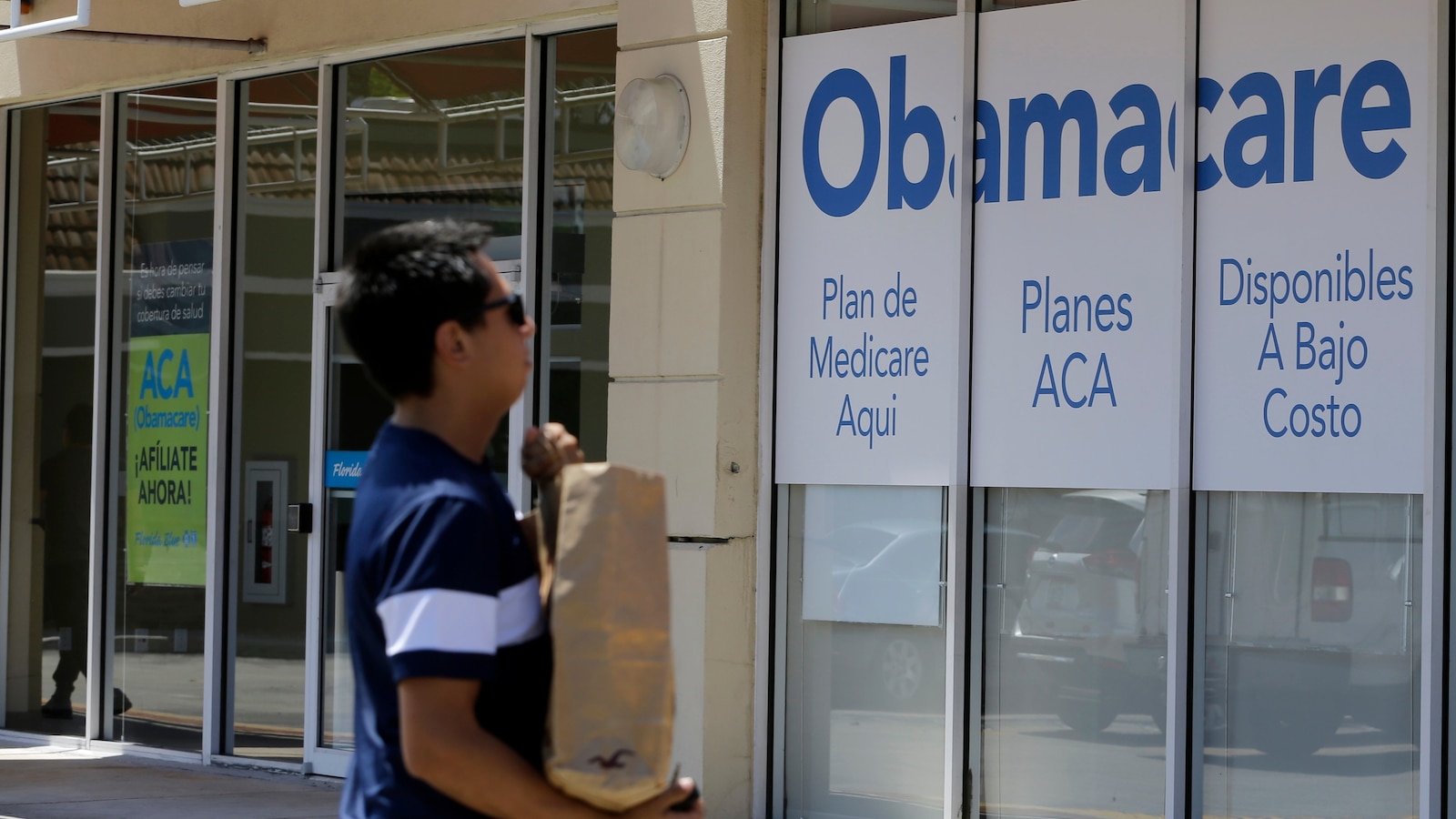
Millions of Americans enrolled in the Affordable Care Act (ACA) marketplace face significant premium increases as the enhanced federal subsidies provided by the Inflation Reduction Act approach their expiration deadline. Without legislative intervention, many enrollees could see monthly costs rise by double or even triple digits, a shift that experts warn could lead to widespread coverage loss.
The enhanced premium tax credits, which were originally introduced through the American Rescue Plan Act and later extended by the Inflation Reduction Act, have served to lower the cost of health insurance for millions of low-to-middle-income households. These subsidies are currently scheduled to expire on December 31, 2025. If Congress does not act to extend these provisions, the sudden removal of federal financial assistance will leave many families responsible for the full cost of their premiums, potentially making coverage unaffordable.
What is the ACA subsidy expiration and why does it matter?
The current landscape of the health insurance marketplace is defined by “enhanced” premium tax credits. Under the original Affordable Care Act, subsidies were capped at certain income levels and often left significant gaps in coverage for middle-class families. The supplemental enhancements passed in recent years expanded eligibility and increased the amount of financial assistance available to consumers.

These enhancements effectively lowered the percentage of household income that a person must contribute toward their health insurance premiums. For many, this meant the difference between a monthly premium of $50 and one exceeding $500. Because these credits are tied to specific legislative windows, they are not permanent fixtures of the ACA. The looming expiration at the end of 2025 creates what policy analysts call a “subsidy cliff.”
When these subsidies expire, the calculation for premium tax credits reverts to the older, less generous formulas. For a significant portion of the population, this change will not result in a marginal increase, but rather a radical shift in monthly expenses. Reports indicate that some individuals could face double or even triple-digit percentage increases in their premium payments as the federal government’s contribution to their monthly bills vanishes.
How will premium increases affect enrollees?
The mathematical impact of losing enhanced subsidies is most severe for those who rely on the credits to keep their monthly payments within a manageable range of their income. The enhanced credits were designed to ensure that no one pays more than a specific percentage of their income—often 8.5%—toward a benchmark silver plan.
Without these protections, the “sticker price” of insurance becomes the primary barrier to entry. For example, a household that currently pays $100 a month due to a high subsidy might suddenly be required to pay $600 or more if the subsidy is removed. While the absolute dollar amount is the most visible change, the percentage increase—moving from $100 to $600 represents a 500% increase—is what characterizes the “triple-digit” hikes reported by consumer advocates.
This financial pressure typically results in two primary outcomes for consumers: switching to a lower-quality plan with higher deductibles or dropping insurance coverage entirely. As costs rise, the perceived value of insurance diminishes for those who are relatively healthy but cannot afford the high premiums required to maintain a safety net for future medical emergencies.
Who is most at risk of losing coverage?
The risk of coverage loss is not distributed evenly across the population. The demographics most vulnerable to the 2025 subsidy expiration include:

- Low-Income Earners: Individuals who fall just above the eligibility threshold for Medicaid but rely heavily on ACA subsidies to afford private plans.
- Middle-Income Families: Households that do not qualify for significant assistance under the original ACA rules but benefited from the expanded eligibility of the Inflation Reduction Act.
- Gig Economy Workers: Freelancers and independent contractors who do not have access to employer-sponsored insurance and must purchase coverage through the marketplace.
- Small Business Employees: Workers at small firms that do not offer group health benefits and rely on the individual market.
The vulnerability of these groups is compounded by the recent “unwinding” of Medicaid programs. Following the end of the COVID-19 public health emergency, states began re-evaluating eligibility for Medicaid, leading to millions of people losing coverage. While the Medicaid unwinding and the ACA subsidy expiration are distinct processes, they both contribute to a broader trend of increased healthcare instability for low-income Americans.
What is the legislative outlook for 2025?
The future of healthcare affordability in the United States now rests with the upcoming legislative sessions in Washington. There is a clear divide in how policymakers approach the issue of extended subsidies. Proponents of an extension argue that the subsidies have been a primary driver in record-high ACA enrollment numbers and have prevented a massive spike in the uninsured rate.
Conversely, critics of the extensions point to the increased federal spending required to maintain the enhanced credits. Some lawmakers argue that the subsidies should be allowed to expire to reduce the national deficit or to encourage a different structure of healthcare delivery. The debate is expected to intensify as the 2025 deadline approaches, making healthcare affordability a central issue in both congressional negotiations and the broader political landscape.
As of now, no bipartisan agreement has been reached to permanently codify the enhanced subsidies. The outcome will likely depend on the composition of Congress and the prevailing economic conditions at the time of the expiration.
Comparison of Subsidy Structures
To understand the impact, it is helpful to compare the current enhanced structure with the projected post-expiration landscape.
| Feature | Enhanced Subsidies (Current) | Post-Expiration (Projected) |
|---|---|---|
| Income Cap | Expanded eligibility for middle-income earners | Tighter restrictions on who qualifies |
| Premium Cap | Limits contribution to a low % of household income | Higher percentage of income required for premiums |
| Monthly Cost | Significantly subsidized/lower | Likely double or triple-digit % increases |
| Coverage Stability | Higher enrollment and retention | Potential for widespread coverage loss |
Note: Projections are based on current legislative timelines and the scheduled expiration of the Inflation Reduction Act provisions.
Frequently Asked Questions
When do the ACA subsidies expire?
The enhanced premium tax credits provided by the Inflation Reduction Act are currently scheduled to expire on December 31, 2025.

Will my health insurance premium automatically go up?
If the subsidies expire and you are enrolled in a plan that relies on those credits, your monthly premium will increase to reflect the loss of federal assistance. You would need to take action during an open enrollment period to change your plan or coverage level.
Can I still get help paying for insurance?
Yes, the original ACA subsidies will still exist, but they are less generous than the current enhanced versions. You may still qualify for assistance, but the amount of help will be significantly lower than what is currently available.
What can I do if my premiums rise too high?
During open enrollment periods, you can compare different plans on the official HealthCare.gov website. You may find that a plan with a higher deductible but lower monthly premium is more manageable, though this carries more financial risk if you require medical care.
The next major checkpoint for healthcare policy will be the upcoming federal budget discussions and the lead-up to the 2025 open enrollment period. Official updates regarding legislative changes to the Affordable Care Act are typically released through the Centers for Medicare & Medicaid Services (CMS) and official congressional communications.
What are your thoughts on the potential impact of these subsidy changes? Share this article and join the conversation in the comments below.