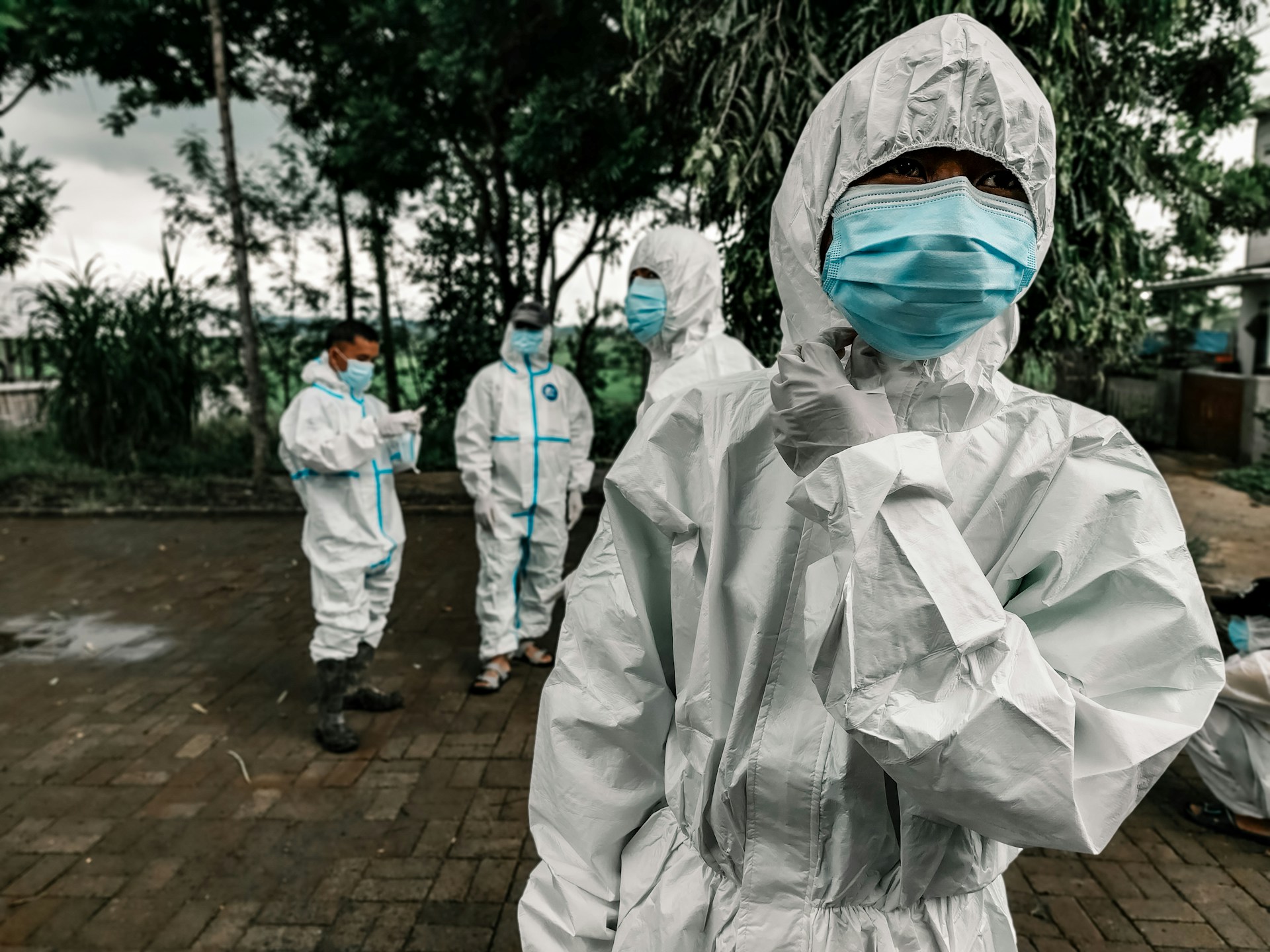
The United States Centers for Disease Control and Prevention (CDC) has activated its Emergency Operations Center at the highest level to coordinate federal support for the ongoing Ebola virus disease outbreak in the Democratic Republic of the Congo (DRC). Health officials confirmed that while the agency is deploying resources and experimental medical countermeasures to the affected region, the current public health risk to the United States population remains low.
The activation of the Emergency Operations Center (EOC) at a Level 1 status—the highest level of intensity—allows the CDC to provide 24/7 support, facilitate the rapid deployment of personnel, and streamline communication between international health partners. According to the CDC’s official guidance on Ebola, this status is reserved for large-scale public health emergencies that require a sustained, high-level, and coordinated agency-wide response.
Managing the Outbreak in the DRC
The response effort is focused on curbing the spread of the virus in North Kivu and Ituri provinces, areas that have faced significant challenges due to regional instability. The World Health Organization (WHO) has noted that outbreaks in these environments require complex logistics, including the delivery of vaccines and therapeutics to remote, often conflict-affected, areas. The United States government, working through the CDC and the U.S. Agency for International Development (USAID), has been a primary contributor to the international funding and technical assistance provided to the DRC Ministry of Health.

A critical component of this response is the use of experimental treatments. The CDC has confirmed the shipment of medical supplies and the deployment of specialized teams to assist in administering these treatments, which have shown efficacy in clinical trials during previous outbreaks. The World Health Organization emphasizes that early detection, contact tracing, and community engagement remain the most effective tools for interrupting transmission chains, even as medical interventions are scaled up.
Risk Assessment for the United States
Despite the high-level response, federal health authorities maintain that the likelihood of an Ebola case arriving in the United States is minimal. Because Ebola is transmitted through direct contact with the blood or body fluids of an infected person—or from contact with contaminated objects—the risk to the general public is categorized as very low. The CDC continues to monitor international travel and maintains screening protocols at major entry points for individuals arriving from regions with active outbreaks.

Satish Pillai, who has overseen various aspects of the CDC’s infectious disease response initiatives, has consistently reiterated that the agency’s primary objective is to stop the outbreak at its source. By bolstering the healthcare infrastructure within the DRC, the international community aims to prevent the virus from spreading further across borders or reaching international transit hubs.
The Role of International Cooperation
The global response to Ebola involves a multifaceted approach, involving the WHO, the DRC government, and various non-governmental organizations like Médecins Sans Frontières (Doctors Without Borders). These organizations work in tandem to manage treatment centers, provide laboratory diagnostic services, and implement burial practices that are both safe and culturally respectful. According to the USAID Ebola response portal, the United States remains the largest donor of humanitarian assistance for these efforts, providing billions in aid over the last decade to strengthen global health security and pandemic preparedness.
This coordinated model of response is designed to address not just the immediate medical needs but also the long-term goal of building resilient health systems. By investing in local laboratory capacity and training local healthcare workers, international agencies hope to shorten the timeline for identifying and containing future outbreaks before they escalate into global crises.
Looking Ahead: Monitoring and Containment
The CDC continues to issue regular updates regarding the status of the outbreak and travel health notices. Readers are encouraged to monitor the CDC Travelers’ Health page for the most current information regarding specific regions. The agency’s EOC remains operational, and officials have stated they will adjust their response levels based on the trajectory of the virus and the needs of the affected nations.
As the international community continues to track case numbers and vaccine distribution, further updates from the WHO and the CDC are expected as the situation evolves. We will continue to provide reporting on these developments as they become available. Please share your thoughts in the comments section below or join the conversation on our social channels for ongoing updates.
Worth a look