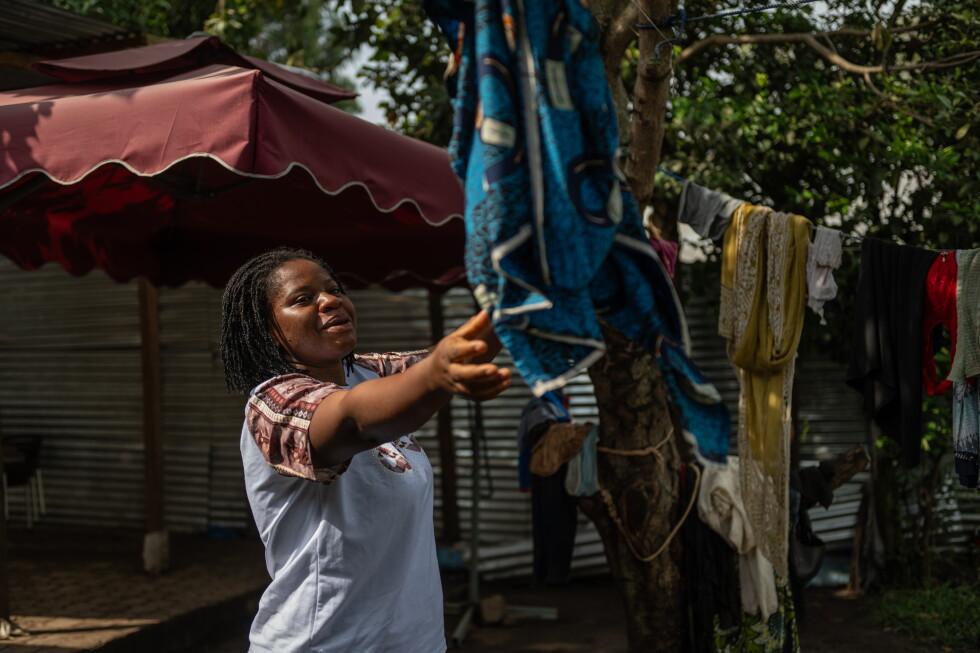
The fastest-growing Ebola outbreak on record began in February, months before it was officially declared on May 15, according to the ABC News – Breaking News, Latest News and Videos. Dr. Mohamed Yakub Janabi, the WHO regional director for Africa, stated at a news conference in Bunia that sequencing indicated the early start of the epidemic, noting that initial cases were incorrectly attributed to malaria and typhoid. So we are chasing the virus, the virus is ahead of us,
Janabi said.
Ebola Outbreak Started Months Before Official Declaration, WHO Warns
According to the latest government figures cited by the BBC, confirmed cases have reached 4,294, including 1,960 deaths. The current epidemic is driven by the rare Bundibugyo species of Ebola, which lacks approved vaccines or treatments. Early testing focused on more common types of Ebola, contributing to delays in identification. WHO Director-General Tedros Adhanom Ghebreyesus warned that the outbreak is spreading faster than containment efforts, with new cases doubling in certain hot spots.
Struggles in Conflict Zones and Crushed Health Systems
The outbreak is unfolding in remote, volatile regions of eastern Congo near the borders of Uganda, Rwanda, and South Sudan, where years of rebel conflict have severely challenged healthcare access. Health authorities report that between 60% and 70%—or more than 80% according to separate estimates—of new cases are detected outside of known contact-tracing lists, indicating that transmission chains are frequently missed. Furthermore, approximately two-thirds of deaths are occurring within communities as patients die before reaching medical facilities.
The crisis has severely strained local healthcare infrastructure. In Ituri province, the epicenter of the outbreak, many frontline workers have walked off the job in strikes over unpaid wages, though some workers have started receiving payments for past work. At the Bénédicte Clinic in Bunia, monthly registrations for prenatal care dropped from 60 to roughly 10 as pregnant women avoid clinics due to fears of being quarantined. According to Noemi Dalmonte, deputy country director, maternal mortality across Ituri has doubled, averaging about six women dying per week from childbirth complications.
International Response and Funding Shortfalls
Health officials and humanitarian organizations are working to scale up the response. Treatment facilities in northeastern DRC have established around 800 beds, and laboratory capacity has expanded from one laboratory to 16. Additionally, the U.S. Department of State announced it would provide an additional $242 million in funding for immediate Ebola response and preparedness, bringing direct U.S. assistance past $512 million. Concurrently, the joint response plan led by the WHO and the Africa Centres for Disease Control and Prevention faces a funding shortfall exceeding $400 million, according to Mathrubhumi.
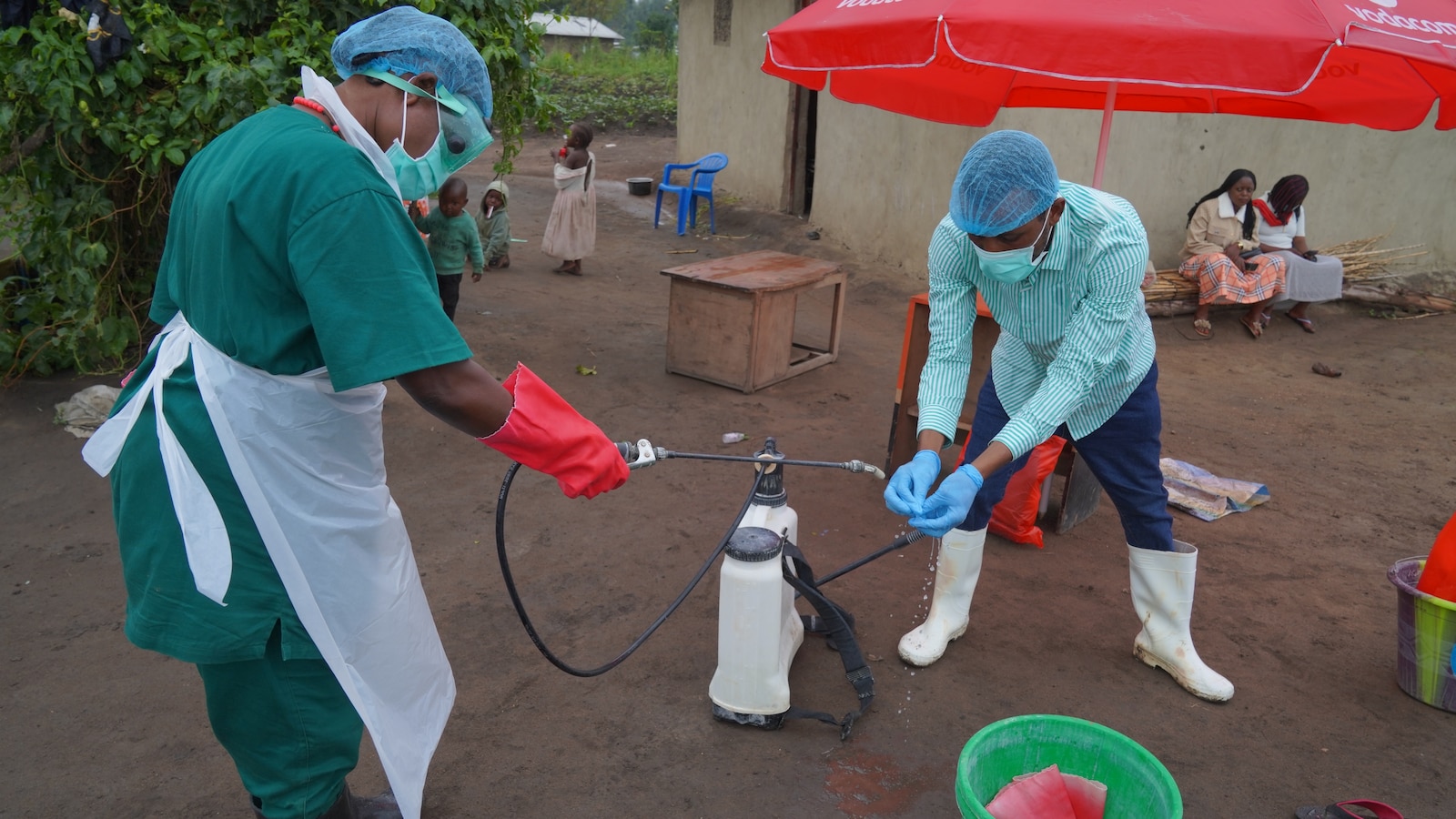
During a visit to Kinshasa and Bunia, Tedros met with officials and emphasized the need for community trust, leadership, and partnership to stop the virus. Dr. Jean Kaseya, head of Africa CDC, stated that his organization is aligning efforts with responders to improve early detection, stronger contact tracing, and rapid access to quality care. Meanwhile, clinical trials are underway, including a trial for the antiviral drug obeldesivir to assess its effectiveness in preventing illness among individuals exposed to confirmed Bundibugyo cases before symptoms develop.
Related reading