Rising Tensions in the DRC: Artisanal Miners Clash with Mining Companies
Recent reports from the Democratic Republic of Congo indicate a worrying trend: escalating conflicts between artisanal miners - ofen called “diggers” – and larger mining operations. These clashes, including incidents of stone-throwing at company transport, highlight a growing crisis fueled by limited resources and economic pressures.Understanding the root causes of this unrest is crucial for anyone following developments in the DRC’s vital mining sector.
A Pattern of Attacks Emerges
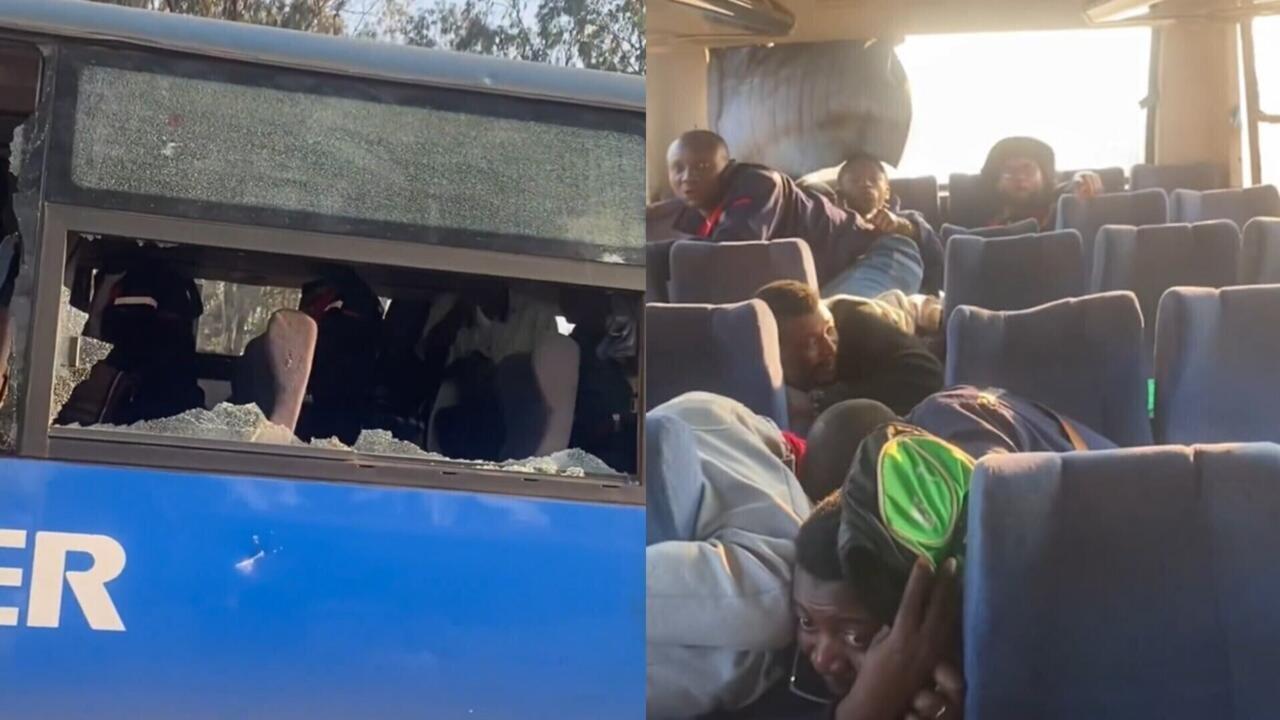
In early November, a video surfaced showing a bus being pelted with rocks along a frequently used route for mining companies near Kolwezi, in the southern DRC. This wasn’t an isolated event. Industry insiders confirm that attacks on company vehicles have become increasingly common throughout 2025.
These incidents are concentrated near the KOV open-pit mine, operated by the KCC joint venture, but the problem extends beyond a single location. The core issue? A severe lack of designated space for the country’s burgeoning artisanal mining community.
The Complex Landscape of DRC Mining
The DRC permits both large-scale industrial mining and artisanal mining. Artisanal miners, typically working with rudimentary tools, are legally allowed too operate in designated “artisanal mining zones” established by the government. Alternatively, they can work on land owned by larger companies – with the company’s permission.
Though, the reality on the ground is far more challenging. currently,there simply aren’t enough officially sanctioned zones to accommodate the sheer number of individuals relying on artisanal mining for their livelihood. This scarcity forces many diggers to trespass onto company-operated mines, leading to direct confrontation.
Why this Matters: A Growing Workforce
Consider this: Lualaba province, where Kolwezi is located, is home to over 250,000 artisanal miners. This sector represents a meaningful attempt to address widespread youth unemployment. For many, access to these mines isn’t just about economic opportunity; it’s about survival.
As Schadrack Mukad Mway End Naw, national coordinator of CASMIA-G ASBL, explains, ”They need access to the mines to make a living. But there’s not enough territory. The few sites where artisanal mining is tolerated are not enough. That’s why they break down company fences.”
What’s Being Done?
Recognizing the urgency of the situation, authorities recently announced the creation of 64 new artisanal mining zones within lualaba province. This is a positive step, but the long-term effectiveness of this solution remains to be seen.
* Increased Zones: The addition of 64 zones aims to provide more legal avenues for artisanal miners.
* Economic Impact: Artisanal mining plays a vital role in reducing unemployment, particularly among young people.
* Ongoing Challenges: The basic issue of limited resources and competition for access to mining areas persists.
Looking Ahead: A Need for Lasting Solutions
The clashes between artisanal miners and mining companies are a symptom of a larger problem: the need for a more equitable and sustainable approach to resource management in the DRC. You can expect continued tensions unless the government, mining companies, and artisanal miner representatives work together to:
* Expand Designated Zones: Prioritize the identification and development of additional legally sanctioned mining areas.
* Improve Regulation & Oversight: Ensure fair and transparent regulations governing access to mining resources.
* Invest in Artisanal Mining: Provide training, equipment, and financial support to help artisanal miners operate more safely and efficiently.
Ultimately, a collaborative approach is essential to prevent further escalation and ensure that the benefits of the DRC’s rich mineral wealth are shared more broadly.