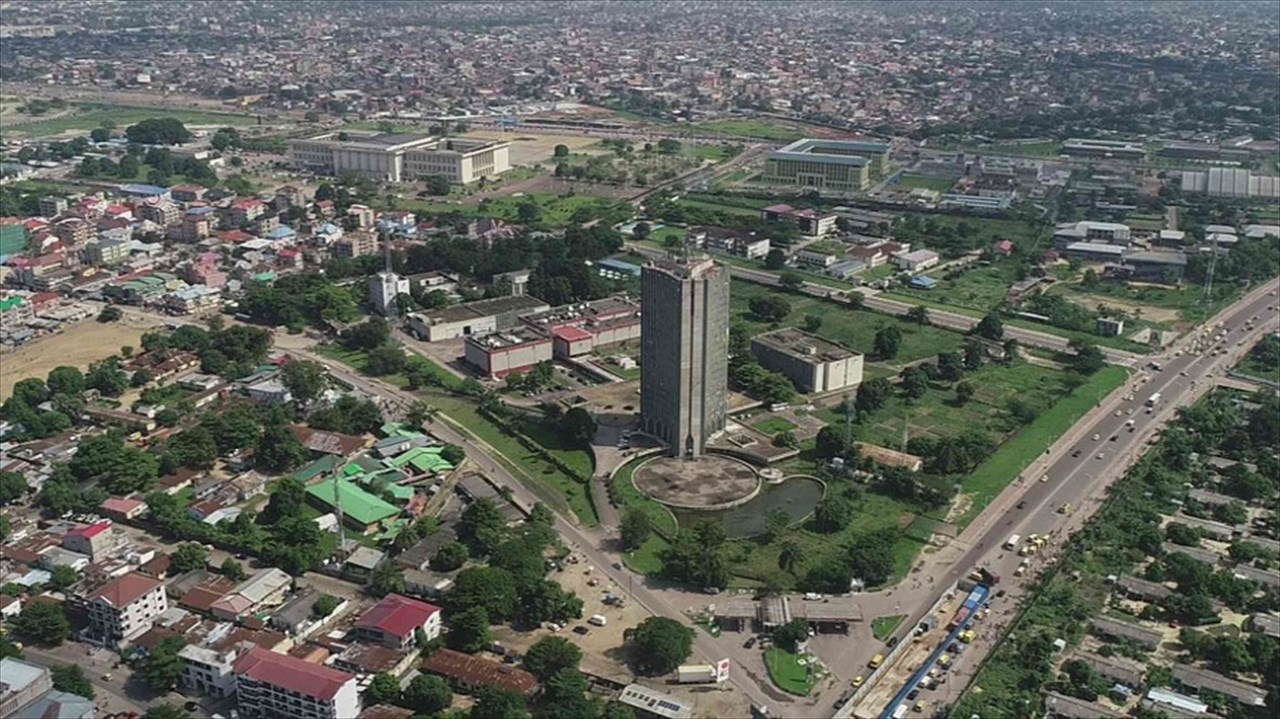
Kinshasa, Democratic Republic of Congo – The Democratic Republic of Congo (DRC) is embarking on an ambitious plan to accelerate the disbursement of funds from World Bank-financed projects, aiming to increase the absorption rate from a consistently low level to at least 30% by 2026. For years, the DRC has struggled to effectively utilize concessional loans and grants, hindering its development progress. This new initiative, formalized on February 17, 2026, represents a concerted effort by the Congolese government and the World Bank to address systemic challenges and unlock the potential of crucial infrastructure and social programs.
The persistent underperformance in project implementation has been a longstanding concern. According to data presented by the World Bank, the DRC has not achieved a disbursement rate of 25% over the past five years. In 2025, the rate stood at a mere 22% for ongoing projects. This means that a significant portion of allocated funds remained unspent, delaying vital improvements in areas such as infrastructure, education and healthcare. The situation is particularly concerning given the DRC’s substantial development needs and the increasing volume of World Bank financing available.
The plan of action, validated during a ceremony presided over by Vice Minister of Finance Gracia Yamba Kazadi, outlines a roadmap with regular checkpoints to monitor progress. It’s a response to a growing recognition that simply securing funding is insufficient; effective execution and absorption are equally critical. The initiative comes after a technical review session held on November 12, 2025, bringing together experts from both the Congolese government and the World Bank to identify key bottlenecks and formulate solutions.
Addressing Systemic Challenges to Project Implementation
The DRC’s low disbursement rates are attributed to a complex interplay of structural and operational constraints. Albert Zeufack, the World Bank’s Country Director for the DRC, highlighted several key challenges, including the increasing complexity of projects, bureaucratic delays in procurement processes, limited capacity within project management units, and ongoing insecurity, particularly in the eastern regions of the country. Bankable.africa reports that these factors directly impede the country’s ability to absorb funds and achieve desired development outcomes.
The escalating complexity of projects, often involving multiple stakeholders and intricate technical requirements, contributes to delays and cost overruns. Lengthy procurement procedures, including the “no-objection” process required by the World Bank, further exacerbate these issues. The limited capacity of project management units – often lacking sufficient skilled personnel and robust monitoring systems – hinders effective implementation. The security situation in eastern DRC, plagued by armed conflict and instability, poses significant logistical and operational challenges, disrupting project activities and deterring investment.
A $1.4 Billion Portfolio Under Scrutiny
The current plan focuses on 22 projects with a total financing commitment of $1.4 billion. A significant portion of these funds is allocated to critical sectors: infrastructure receives $250 million, even as education, with a particular emphasis on skills development, is earmarked for $300 million. Doseco.cd details that the World Bank’s portfolio in the DRC has grown substantially in recent years, increasing from approximately $3 billion in 2020 to over $8 billion today. This expansion underscores the institution’s commitment to supporting the DRC’s development, but also highlights the urgency of addressing the underlying challenges that hinder effective implementation.
The growth of the portfolio, while positive in principle, has outpaced the DRC’s capacity to manage and absorb the funds effectively. Zeufack emphasized that the country needs to strengthen its institutional frameworks and operational procedures to fully capitalize on the available resources. Without significant improvements in project execution, the DRC risks losing access to future financing and jeopardizing its long-term development prospects.
Government Initiatives to Boost Absorption Capacity
Vice Minister Yamba Kazadi outlined a series of operational measures aimed at improving project implementation. These include strengthening project teams through training and the recruitment of young graduates, enhancing upstream preparation to facilitate the timely launch of tenders, and streamlining administrative procedures. The government also intends to increase its involvement in validating co-financing agreements, ensuring greater alignment with national priorities and enhancing accountability.
the government plans to organize accountability workshops to clarify the roles and responsibilities of all stakeholders involved in project implementation. Integrating security risk analysis into the project design phase is another key priority, recognizing the impact of instability on project delivery. The adoption of contract modalities that prioritize results-based approaches is also being considered, shifting the focus from inputs to outcomes and incentivizing efficient performance.
Strengthening Institutional Frameworks and Risk Management
Beyond operational improvements, the plan emphasizes the need for stronger institutional frameworks. This includes enhancing the capacity of government agencies responsible for project oversight and monitoring, improving coordination between different ministries and departments, and strengthening the legal and regulatory environment for public procurement. Addressing corruption and promoting transparency are also critical components of the reform agenda.
The integration of security risk analysis into project design is particularly essential given the ongoing instability in eastern DRC. Projects operating in conflict-affected areas will require robust security assessments and mitigation measures to protect personnel, assets, and ensure the continuity of operations. This may involve collaborating with local communities, engaging with security forces, and implementing appropriate risk management protocols.
Looking Ahead: Monitoring Progress and Ensuring Accountability
The success of this initiative hinges on consistent monitoring and evaluation. The plan includes a series of regular checkpoints to track progress against key performance indicators, identify emerging challenges, and adjust strategies as needed. The World Bank will play a crucial role in providing technical assistance and support to the DRC government throughout the implementation process.
The DRC’s commitment to increasing its disbursement rate to 30% by 2026 is a significant step towards unlocking the full potential of World Bank financing and accelerating its development progress. However, achieving this ambitious goal will require sustained political will, effective coordination, and a concerted effort to address the systemic challenges that have historically hampered project implementation. The next key checkpoint for assessing progress is scheduled for July 2026, when the World Bank and the DRC government will jointly review the implementation status of the plan and identify any necessary adjustments.
The ability of the DRC to effectively absorb these funds will not only impact its economic growth but also the lives of millions of Congolese citizens who stand to benefit from improved infrastructure, education, and healthcare. The international community will be watching closely to see whether the DRC can overcome its historical challenges and deliver on its commitments.
What are your thoughts on the DRC’s plan to improve project disbursement? Share your comments below and let us know how you think this initiative will impact the country’s development.
Related reading