
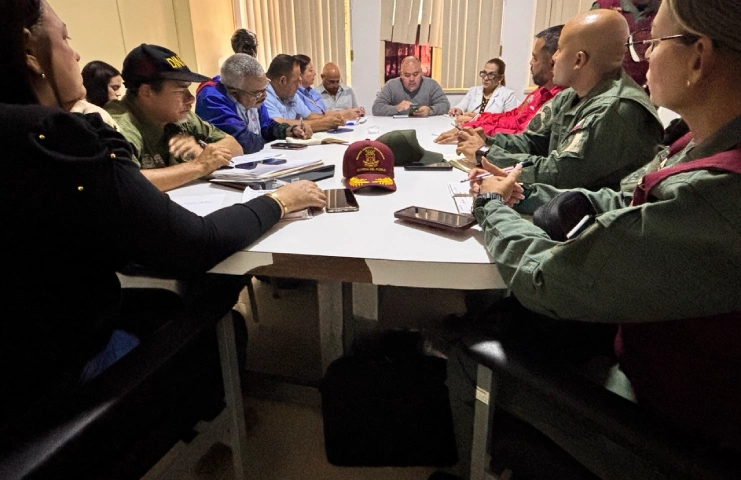
The “Doctor José Gregorio Hernández” Hospital Infrastructure Recovery Plan has been initiated at the Valera University Hospital in Trujillo state, Venezuela, as part of a national effort to address maintenance and operational requirements in the public healthcare sector. According to official reports from the Venezuelan Ministry of Popular Power for Health, the program focuses on restoring critical service areas, upgrading medical equipment, and improving the physical environment of regional hospitals to ensure patient access to care.
As a physician, I understand that infrastructure is the backbone of clinical practice. When structural integrity or equipment maintenance falters, the delivery of essential services—from emergency triage to routine diagnostics—is directly compromised. The objective of this specific intervention in Valera is to modernize facilities that serve as the primary referral center for the Trujillo region, a move intended to stabilize local healthcare delivery and reduce the burden on nearby clinics.
Scope of the Infrastructure Recovery Plan
The rehabilitation project under the “Doctor José Gregorio Hernández” initiative encompasses several key areas of the hospital’s physical plant. Official communications from the Venezuelan Ministry of Popular Power for Health indicate that the work includes the renovation of surgical theaters, the improvement of hospital wards, and the installation of updated diagnostic technology. These efforts are part of a broader, government-led strategy known as the “Bricomiles” (Community Military Brigades for Education and Health), which seeks to coordinate state resources with local community oversight to expedite repairs.
In practice, these recovery efforts are designed to address long-standing maintenance deficits that have historically affected public hospitals in Venezuela. By focusing on the Valera University Hospital, authorities aim to address the needs of a large catchment area, as this facility serves as the main provider of high-complexity medical services for the surrounding municipalities. The project involves not only structural repairs but also the procurement of medical supplies and the restoration of electrical and water infrastructure, which are frequently cited as points of instability in regional health facilities according to reports from the Pan American Health Organization (PAHO) regarding regional health systems.
Addressing Regional Healthcare Challenges
The Valera University Hospital serves as a critical node in the Trujillo state health network. For patients, the success of this recovery plan translates to the potential availability of functional operating rooms and reliable diagnostic imaging, which are essential for trauma care and chronic disease management. However, the efficacy of such infrastructure plans depends heavily on the continuous supply of medical consumables and the retention of specialized medical staff, both of which remain significant challenges in the current Venezuelan economic context.

Data from the United Nations Office for the Coordination of Humanitarian Affairs (OCHA) highlight that healthcare facilities in Venezuela have faced chronic shortages of inputs and infrastructure degradation over the past decade. The “Doctor José Gregorio Hernández” plan is an attempt to reverse these trends through targeted investment. For the medical community in Berlin and across Europe, where we prioritize integrated facility management, the focus on “rehabilitation” rather than “new construction” is a common strategy for optimizing existing resources, provided that the maintenance cycle is sustained beyond the initial renovation phase.
What Happens Next for Hospital Operations
As the recovery plan proceeds at the Valera University Hospital, the next phase typically involves the phased reopening of renovated departments and the commissioning of new equipment. Local health authorities are expected to provide updates on the completion of specific wings and the resumption of elective surgeries, which are often the first services to be suspended during infrastructure works. Patients and their families are advised to monitor official announcements from the Trujillo State Government for updates on service availability and the scheduling of clinical appointments.
The sustainability of these improvements will be measured by the facility’s ability to maintain a consistent supply chain for pharmaceuticals and the functionality of its heavy medical equipment over the coming months. As we monitor these developments, it remains vital to observe how regional health authorities manage the transition from the initial recovery phase to long-term operational stability. For those following the progress of Venezuelan public health policy, official government channels and reports from international health observers remain the most reliable sources for updates on the facility’s operational capacity.
We welcome your perspectives on this development. Please share your thoughts or questions in the comments section below regarding the impact of infrastructure investment on community health outcomes.