Medicaid Funding Under Scrutiny: Dr. oz Highlights Systemic Loopholes and New CMS Strategies
Medicaid, a vital healthcare program for millions of Americans, is rapidly becoming the largest expenditure for many state budgets. This escalating cost is increasingly diverting funds from crucial areas like education and essential social services, raising concerns about long-term sustainability. Recent commentary from Centers for Medicare & Medicaid Services (CMS) Administrator Dr. Mehmet Oz sheds light on the complexities driving this growth and outlines a new approach to safeguarding federal healthcare dollars.
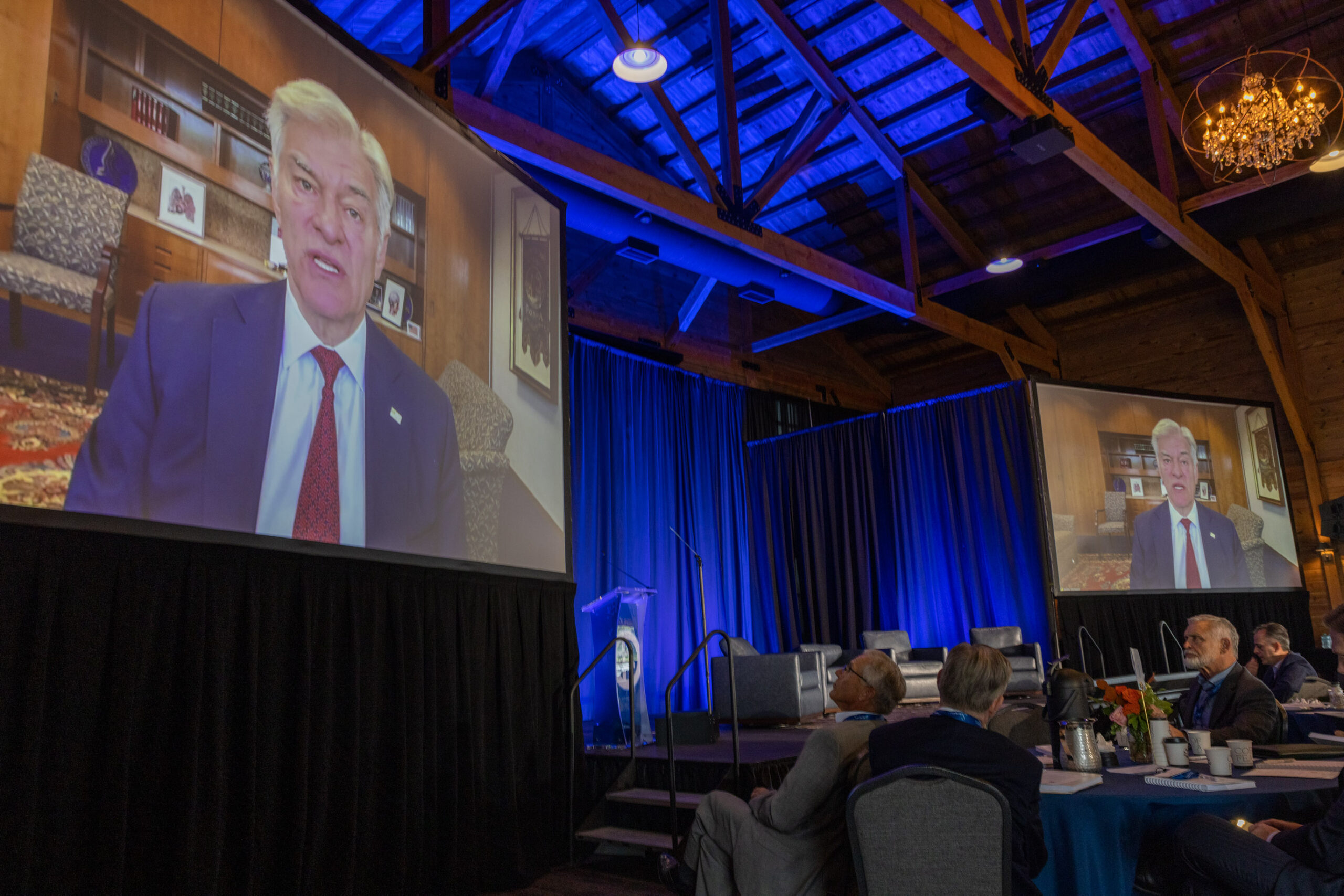
During his keynote address at the Sanford Health Annual Summit on the Future of Rural Health Care in Sioux Falls,South Dakota,Dr. Oz pinpointed a significant factor: a 50% surge in federal Medicaid spending over the past five years, largely fueled by pandemic-era policies that remain in effect. He suggests this habitat has inadvertently created opportunities for states and healthcare providers to exploit financing mechanisms.
The Mechanics of Medicaid Funding & Potential for “Gaming the System”
The core of the issue lies in how Medicaid is funded. States can leverage a system of provider taxes – levied on hospitals, nursing homes, and othre healthcare entities – and state-directed payments to unlock additional federal matching funds. While intended to bolster state healthcare resources, Dr. Oz argues this process has become susceptible to manipulation.
“States could take as much as they could from the federal government,” he explained, noting disparities in states’ abilities to navigate these funding streams. this has led to a situation where some states have drawn down significantly more federal funds than others, raising questions about equitable distribution and responsible spending.
Dr. Oz’s critique isn’t necessarily about the legality of these practices,but rather their alignment with the intended purpose of Medicaid – providing healthcare to vulnerable populations.He characterizes the situation as a “grab bag” where states maximized federal revenue, perhaps at the expense of program efficiency and patient care.
Shifting Focus: From Individuals to the Flow of Money
Beyond concerns about funding mechanisms, Dr. Oz addressed the pervasive issue of fraud within Medicaid and Medicare. Traditionally, combating fraud involved pursuing individual perpetrators. However,CMS is now adopting a more strategic approach: tracking the movement of money itself.
This shift in focus is a direct response to the scale and complexity of fraudulent activities. By following the financial trail, CMS aims to identify systemic loopholes and dismantle large-scale schemes more effectively. this new strategy is being implemented in collaboration with the Treasury Department and the Department of Justice.
“We’re actually chasing the money now,not the person,” Dr. oz stated.”We have already stopped about $4 billion from leaving the building by using these kinds of tactics.”
A Commitment to Accountability and Program Integrity
The overarching goal, according to Dr. Oz, is to recover misappropriated funds and close the loopholes that allow exploitation. This involves a multi-pronged approach:
* Enhanced Oversight: Increased scrutiny of state funding practices and provider billing.
* Incentive Alignment: Adjusting financial incentives to discourage fraudulent behavior and reward responsible stewardship.
* Collaboration: Working closely with other federal agencies to leverage expertise and resources.
Dr. Oz emphasized the importance of distinguishing between legitimate healthcare providers and those actively defrauding the system.”We have to go after these programs, come up with clever ideas to help the good peopel who are trying to do the right thing, and separate the wheat from the chaff,” he said.
The Potential Impact: Redirecting Billions to Patient Care
CMS believes this intensified focus on accountability and program integrity will ultimately redirect billions of dollars towards legitimate care delivery efforts. By tightening oversight and aligning incentives, the agency hopes to ensure that federal health dollars reach the patients and programs they are intended to serve, improving access to care and strengthening the overall healthcare system.
This represents a significant shift in strategy, moving beyond reactive measures to a proactive approach focused on preventing fraud and maximizing the value of every healthcare dollar. The success of this initiative will be critical in ensuring the long-term viability of Medicaid and its ability to meet the evolving healthcare needs of the nation.
Worth a look
- Hollaender Interna-Rail Aluminum Handrail Systems for Commercial Architecture
- Breast Cancer Patients At Risk: Essential Bone Density Test Doctors Recommend
- University of Iowa International Writing Program Secures Funding After Losing Federal Support (news-usa.today)
- Extremadura Health Service Expands Early Breast Cancer Screening Program (world-today-news.com)