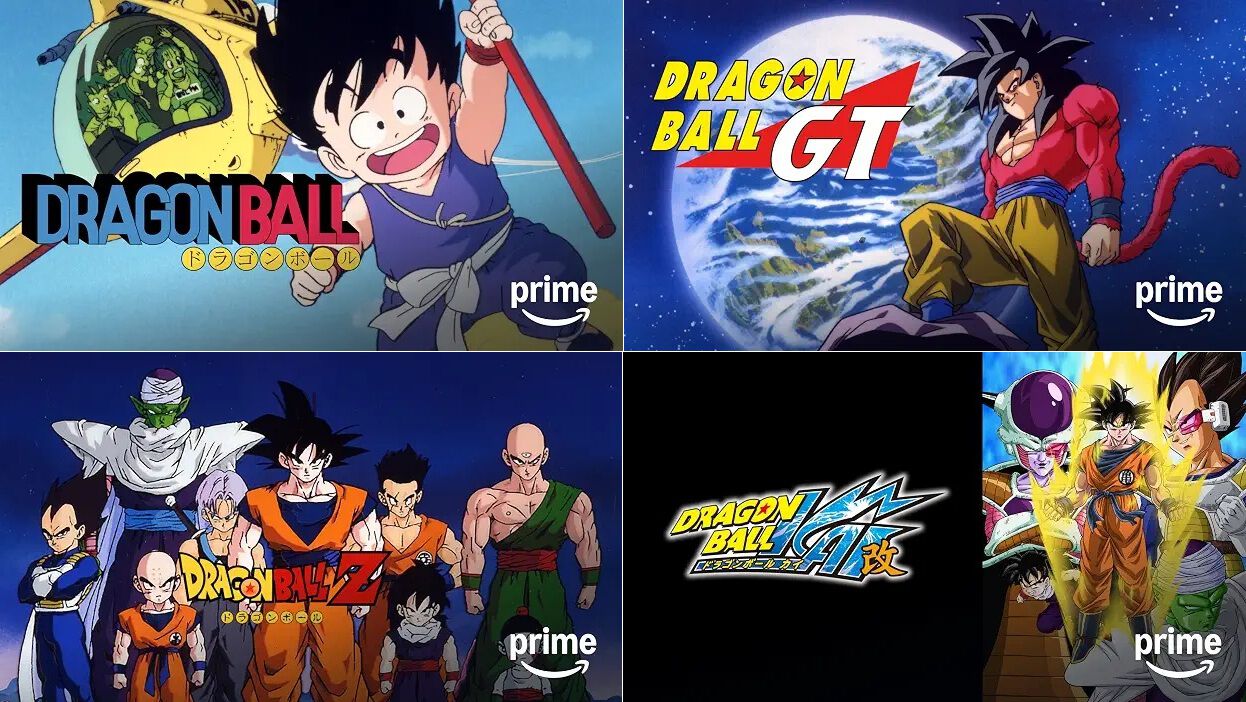
Amazon Prime Video has expanded its international streaming library by adding four foundational titles from the Dragon Ball anime franchise to its unlimited viewing service. Subscribers in Japan can now access the original Dragon Ball, Dragon Ball Z, Dragon Ball GT, and Dragon Ball Kai, according to official updates from the platform’s regional streaming portal. This expansion marks a significant shift in the availability of the long-running series, which was created by the late Akira Toriyama and produced by Toei Animation.
The addition of these titles allows viewers to experience the complete narrative arc of Son Goku’s journey, from his childhood encounters with Bulma to the high-stakes battles of the Z era. According to Amazon Prime Video Japan, the inclusion of these series provides a centralized hub for fans to revisit the classic animation style that defined the 1980s and 1990s shonen genre. While the availability of specific episodes can vary by licensing region, this update solidifies Prime Video’s position as a major competitor in the digital anime distribution market.
Understanding the Dragon Ball Series Hierarchy
For viewers new to the franchise, the arrival of these four distinct series on Amazon Prime Video may raise questions regarding the chronological order of the story. The original Dragon Ball series, which premiered in 1986, follows Goku’s adventures as a young martial artist searching for the titular Dragon Balls. This series established the world-building and character dynamics that would persist for decades, as documented by Toei Animation’s official production records.
Following the original series, Dragon Ball Z elevated the stakes by introducing alien threats and the Super Saiyan transformation. Dragon Ball Kai, which began its broadcast run in 2009 to commemorate the 20th anniversary of Z, serves as a remastered version of the original Z animation. It features updated high-definition visuals, a new soundtrack, and a tighter narrative edit that removes much of the “filler” content found in the 1989 original. Dragon Ball GT, while not based on Toriyama’s original manga, provides an alternate-timeline sequel to Z that remains a popular, albeit distinct, chapter in the series’ history.
How Streaming Availability Affects Global Anime Distribution
The decision to bundle these series on a single platform reflects a broader trend in how major streaming services manage legacy intellectual property. By securing the rights to the entire Dragon Ball back catalog, Amazon Prime Video aims to capture both nostalgic viewers and a new generation of fans who may have been introduced to the franchise through more recent entries like Dragon Ball Super. According to industry analysis from Variety, the consolidation of long-running anime franchises is a key strategy for streaming platforms looking to reduce churn and increase user engagement time.
This move is particularly notable given the high volume of content produced by the franchise. The original Dragon Ball alone consists of 153 episodes, while Dragon Ball Z spans 291 episodes. Providing “unlimited” access—or “mihodai” in Japanese market parlance—removes the barrier of per-episode rental fees, which historically prevented many viewers from completing the lengthy series.
What Fans Should Expect Moving Forward
The current availability of these titles on Amazon Prime Video is subject to the platform’s licensing agreements, which are periodically renegotiated. Users should verify the “included with Prime” status on their local Amazon interface, as licensing rights are strictly governed by geographic territory. As noted by Toei Animation, the studio continues to manage the global rights for the franchise, ensuring that the legacy of the late Akira Toriyama remains accessible to audiences worldwide.
There have been no official announcements regarding the addition of Dragon Ball Super or the latest series, Dragon Ball Daima, as part of this specific library expansion. For the latest updates on streaming availability and potential new additions to the platform, viewers are encouraged to monitor the “Recently Added” section of the Amazon Prime Video application. We welcome our readers to share their thoughts on the series in the comments section below.
Related reading
- Brad Pitt Reveals He Started Drinking Again After Seven Years of Sobriety
- Who is Nazmiye Tutaner from Müge Anlı? Surprising Update on Her Current Life and Marriage
- Why Roddy the Ruin Was the Best Part of House of the Dragon Season 3 Finale (world-today-news.com)
- GTA 6 Pre-Orders Surge as Take-Two CEO Discusses Pricing, Physical Discs, and Streaming Strategy (newsdirectory3.com)