
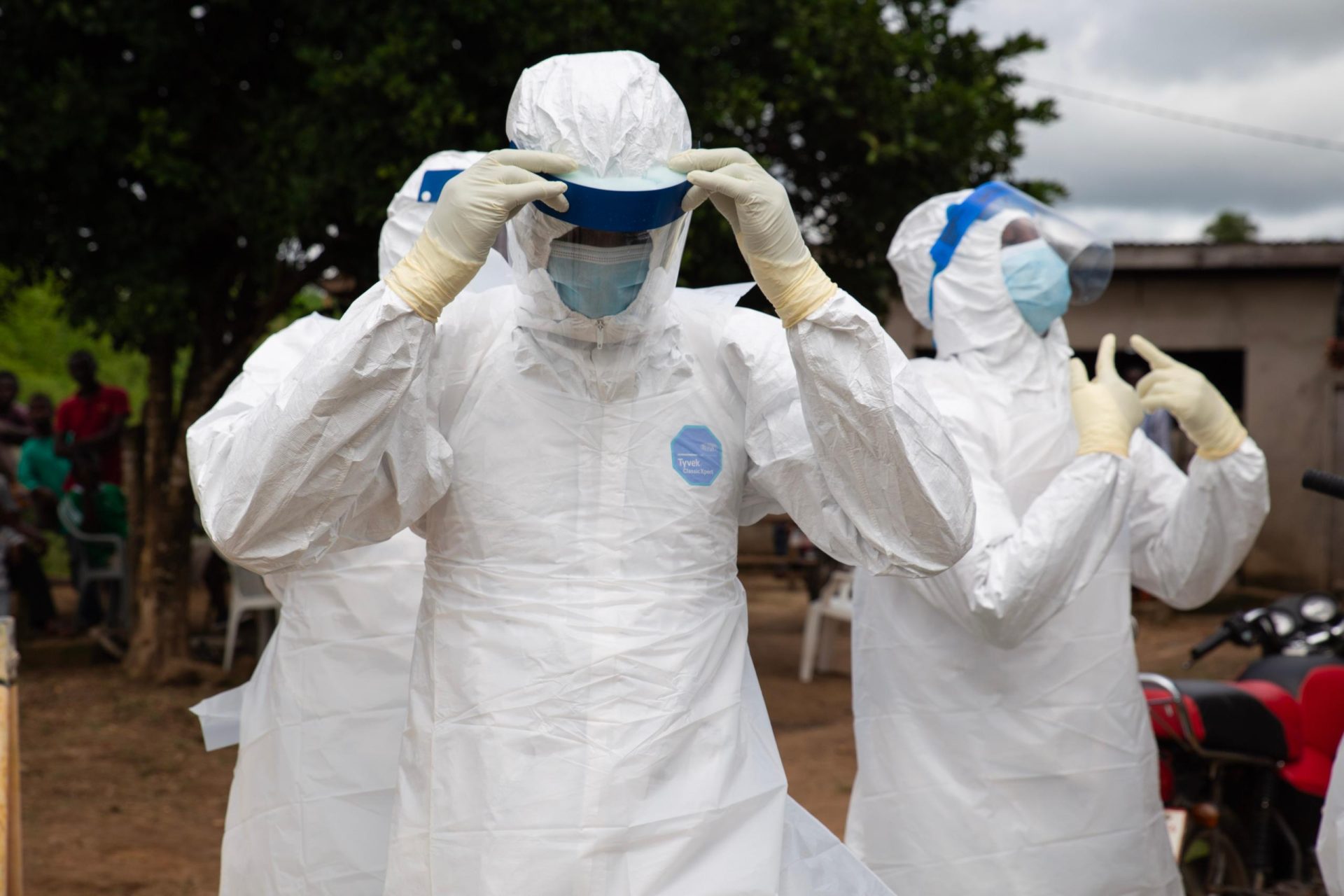
Ebola Outbreak in Central Africa Could Last Months, W.H.O. Says
Health officials are monitoring a significant and rapid escalation of Ebola cases across Central Africa, with reports indicating a sharp rise in infections since the outbreak was first identified on May 15. The surge, centered in the Democratic Republic of the Congo and Uganda, has raised urgent concerns regarding the duration and intensity of the current health crisis.
According to recent reports from health officials, the outbreak has already resulted in more than 513 cases and over 130 suspected deaths. As the scale of the transmission becomes clearer, the World Health Organization (WHO) has cautioned that the outbreak could persist for several months, necessitating a sustained and intensive international response to contain the spread of the virus.
The rapid increase in both suspected cases and fatalities underscores the volatility of the disease, which remains one of the most severe viral hemorrhagic fevers known to medicine. For health authorities, the priority remains the stabilization of affected regions through enhanced surveillance and the implementation of rigorous infection control measures.
A Rapidly Escalating Health Crisis
The current situation in the Democratic Republic of the Congo and Uganda represents a significant challenge for regional healthcare infrastructures. Since the identification of the outbreak in mid-May, the number of reported cases has climbed steeply, moving from initial detections to over 500 suspected cases in less than a week.

While the exact number of confirmed deaths is still being tallied by laboratory services, health officials have already noted more than 130 suspected fatalities. The speed at which these figures have risen suggests a high level of community transmission, a factor that often complicates efforts to trace contacts and implement safe burial protocols.
The World Health Organization has emphasized that managing such an outbreak requires a multi-faceted approach. This includes intensive supportive care for patients, disease surveillance, contact tracing, and social mobilization to ensure communities understand the risks and the necessary precautions to take.
Understanding the Ebola Virus and Its Impact
Ebola disease is caused by a group of viruses known as orthoebolaviruses. These viruses are zoonotic, meaning they can spread from animals to humans, and they are known for causing severe, often fatal, illness. The disease is characterized by its high mortality rate, which has historically varied significantly between outbreaks.

While specific fatality rates depend on various factors, including the viral species involved and the timing of medical intervention, the mortality rate can be as high as 80 to 90 percent, according to the Centers for Disease Control and Prevention (CDC). Other data suggests a broader range, with case fatality rates spanning from 25% to 90%, averaging approximately 50% according to the World Health Organization.
There are several species of orthoebolaviruses that affect humans, including:
- Ebola virus (species Orthoebolavirus zairense): The most common cause of large outbreaks.
- Sudan virus (species Orthoebolavirus sudanense): Known to cause Sudan virus disease.
- Bundibugyo virus (species Orthoebolavirus bundibugyoense): Known to cause Bundibugyo virus disease.
- Taï Forest virus (species Orthoebolavirus taiense): A less common species that causes Taï Forest virus disease.
Progression of Symptoms
Clinicians typically observe a progression in the illness that is categorized into “dry” and “wet” symptoms. The initial phase, often referred to as the “dry” stage, typically involves:
- Fever
- Aches and muscle pains
- Fatigue and sore throat
- Headaches
As the infection progresses and the patient becomes more severely ill, the disease typically transitions to “wet” symptoms. This stage is often more critical and may include vomiting, diarrhea, rash, and unexplained internal or external bleeding, as well as hepatic and renal dysfunction.
Transmission and Prevention Challenges
The Ebola virus spreads through direct contact with the blood or body fluids of an infected person, or through contact with contaminated objects such as needles or medical equipment. Because the virus is highly infectious in these contexts, healthcare settings and community gatherings often pose significant risks if proper infection prevention and control (IPC) measures are not strictly followed.

One of the primary challenges in managing current outbreaks is the availability of medical countermeasures. While there are licensed vaccines and therapeutics available for the Ebola virus (species Orthoebolavirus zairense), there is currently no approved vaccine or specific treatment for other species, such as the Sudan or Bundibugyo viruses. For these other strains, candidate products remain under development.
In the absence of universal vaccines, medical professionals rely heavily on early intensive supportive care. Providing rehydration and treating specific symptoms as they arise has been shown to significantly improve survival rates for those infected.
Historical Context of the Disease
The history of Ebola is deeply rooted in the geography of Central Africa. The disease was first identified in 1976 during two simultaneous outbreaks. One occurred in Nzara, in what is now South Sudan, involving the Sudan virus. The other occurred in Yambuku, in the Democratic Republic of the Congo, involving the Ebola virus. The latter outbreak took place near the Ebola River, which provided the name for the disease.
The 1976 outbreak in Zaire (now the DRC) remains a landmark event in infectious disease history, illustrating the devastating potential of the virus and the necessity for the global health surveillance systems that exist today.
Key Takeaways: Ebola Outbreak Overview
| Feature | Details |
|---|---|
| Primary Cause | Orthoebolaviruses |
| Transmission | Direct contact with infected blood or body fluids |
| Average Fatality Rate | Approximately 50% |
| Major Symptoms | Fever, vomiting, diarrhea, and bleeding |
| Vaccine Status | Available for Ebola virus species; others in development |
As health authorities work to contain the current surge in the Democratic Republic of the Congo and Uganda, the focus remains on rapid response, community engagement, and the expansion of clinical capacity to manage the expected influx of patients over the coming months.
Further official updates regarding the outbreak status and regional health advisories are expected as laboratory results from the current cases are finalized.
What are your thoughts on the global response to emerging viral threats? Share this article and join the conversation in the comments below.