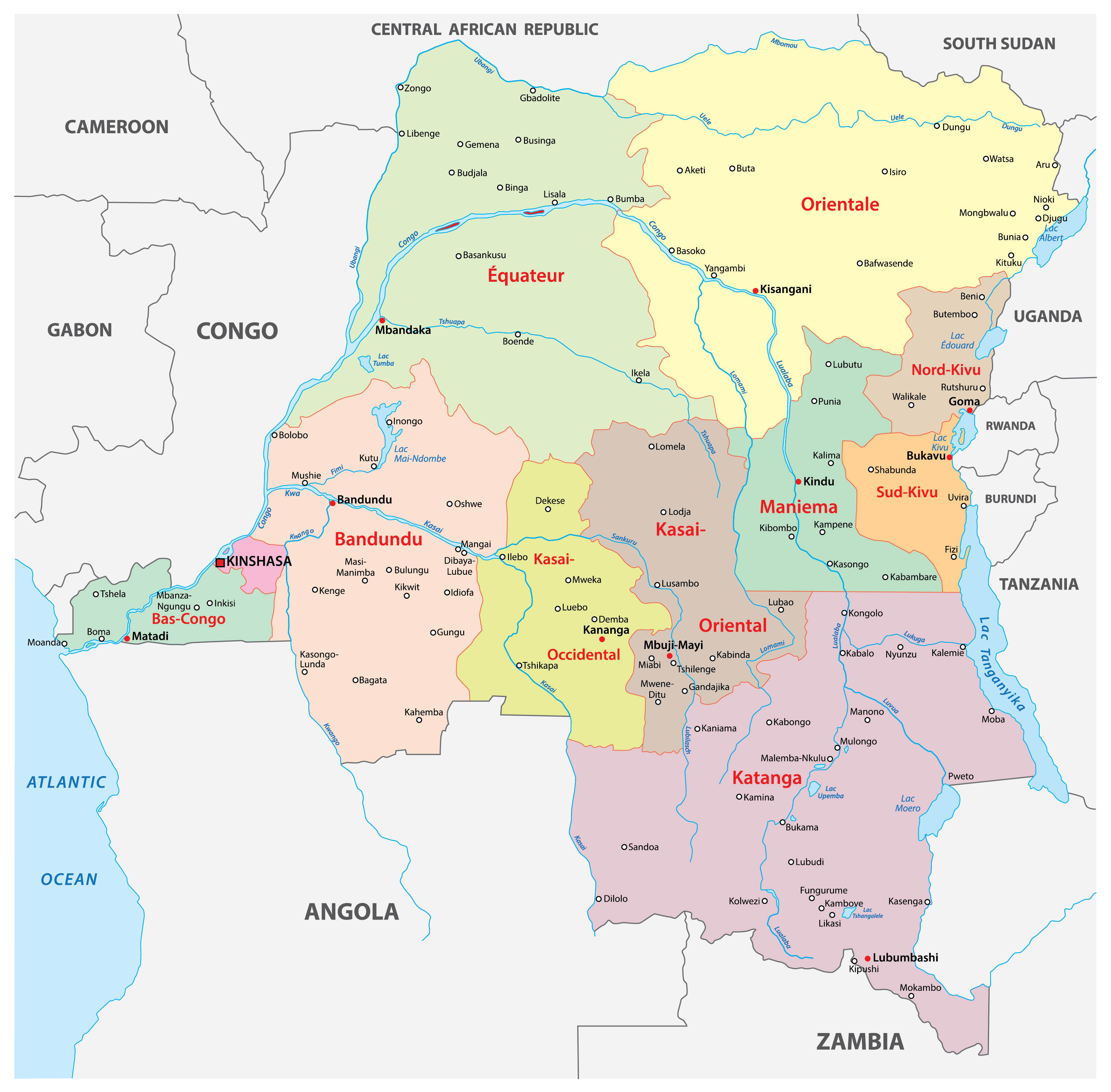
The second-largest Ebola outbreak in history has claimed more than 1,500 lives in the Democratic Republic of Congo within just over two months of its declaration, rapidly outpacing response efforts according to international health monitors and United Nations reports. The epidemic, centered in the eastern provinces of North Kivu and Ituri, has accelerated at an unprecedented pace due to complex security challenges, community distrust, and densely populated trading hubs.
Public health authorities note that the current surge represents a severe test for medical responders operating in active conflict zones. While previous outbreaks in the region unfolded over longer periods, this epidemic reached the grim milestone of 1,500 deaths faster than any recorded comparable crisis, according to data from the World Health Organization. The rapid transmission rate has placed immense strain on local clinics, treatment centers, and vaccination pipelines.
Containment efforts continue to face extraordinary hurdles as health workers navigate armed militia violence, community resistance, and misinformation campaigns in affected health zones. International agencies are working alongside local ministries to deploy experimental vaccines and therapeutics, though access to certain high-risk areas remains restricted due to ongoing security incidents.
Scale of the Crisis in Eastern Congo
The outbreak, officially declared in August of the relevant epidemic cycle, has spread across multiple health zones in North Kivu and Ituri provinces. According to Reuters reporting, the geographic dispersion of cases across porous borders and bustling commercial centers has complicated contact tracing and surveillance measures.
Medical teams have administered hundreds of thousands of doses of the rVSV-ZEBOV experimental vaccine under compassionate use protocols, targeting frontline workers, contacts of confirmed cases, and contacts of those contacts. However, continuous displacement of civilian populations due to localized armed conflict has made monitoring secondary and tertiary transmission chains exceptionally difficult for epidemiologists on the ground.
Frontline clinics have frequently been targets or collateral damage in regional skirmishes, forcing temporary suspensions of treatment operations. The World Health Organization and UNICEF have repeatedly called for humanitarian truces to allow medical personnel unhindered access to vulnerable communities.
Operational Challenges and Community Engagement
Addressing community skepticism remains a central pillar of the response strategy. Health experts emphasize that building trust through local leaders, traditional healers, and survivors is essential for encouraging early reporting and safe burials. Historically, communities isolated from central governance often view external medical interventions with suspicion.
Mobile laboratories have been deployed to reduce turnaround times for diagnostic testing, enabling treatment centers to confirm infections within hours rather than days. Despite these technological advancements, logistical bottlenecks—including impassable roads during seasonal rains and limited cold-chain storage for vaccines—continue to hamper rural distribution networks.
Financial backing from international donors has scaled up significantly since the initial declaration, yet logistical expenditures remain high. Securing protective equipment, maintaining isolation wards, and ensuring adequate security escorts for medical convoys consume substantial portions of the emergency response budget.
Next Steps and Official Monitoring
The World Health Organization maintains its emergency oversight committees to evaluate the trajectory of the outbreak on a continuous basis. Regular updates, epidemiological curves, and operational data are published through the WHO Emergency Dashboard, serving as the primary clearinghouse for verified metrics on case counts, vaccinations, and mortality rates.
As response coordinators prepare for the upcoming operational review cycle, stakeholders are encouraged to monitor official channels for the latest advisories on travel restrictions, vaccination availability, and regional health directives.
- Chaos in Ceuta: Mass Migrant Surge Triggers Border Crisis and EU Tensions
- Taiwan Sports Ministry and USC Sign Cooperation Memorandum
- DR Congo Ebola Outbreak Becomes Second Largest in History (world-today-news.com)
- The Congressional Review Act, Explained: How Congress Kills Federal Rules (daybreakwire.com)