
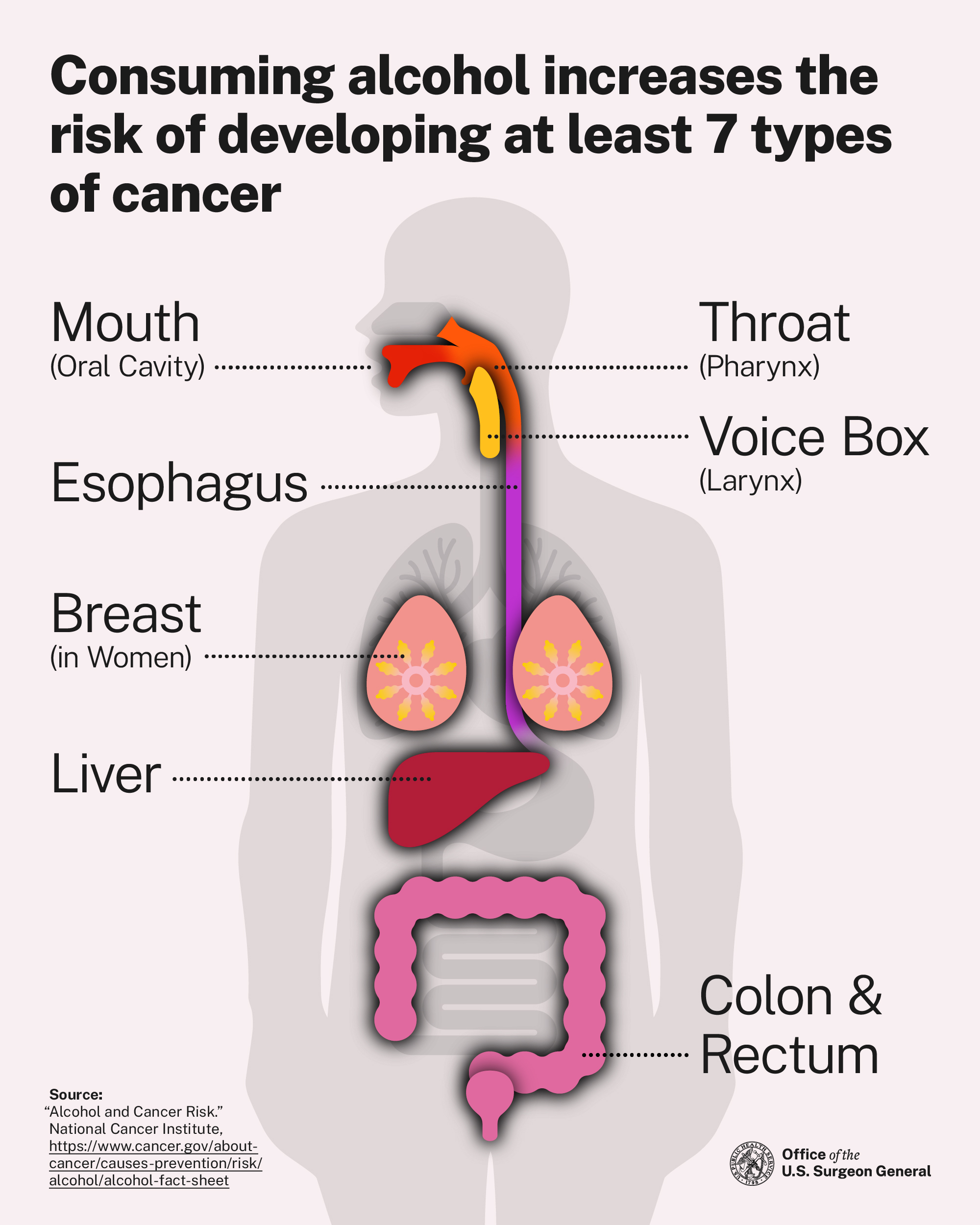
Consuming even one alcoholic beverage per day has been linked to an increased risk of developing ten different types of cancer. While many people associate health risks primarily with heavy or binge drinking, current public health data suggests that the physiological impact of alcohol begins at lower levels of consumption. Understanding these risks is essential for making informed decisions about daily health and long-term wellness.
The human body processes alcohol through the liver, but when consumption exceeds the organ’s capacity to break it down, alcohol and its byproducts circulate throughout the body, potentially damaging organs and tissues. According to the Centers for Disease Control and Prevention (CDC), approximately 178,000 people in the United States die each year due to excessive alcohol use. These health consequences are not limited to the liver; they extend to the brain, gut, pancreas, and cardiovascular system, among other areas.
How Alcohol Impacts Biological Systems
Alcohol acts as a systemic agent that interferes with basic biological functions. When consumed, it disrupts the communication pathways within the brain, which can alter mood, behavior, and cognitive clarity, as noted by the National Institute on Alcohol Abuse and Alcoholism (NIAAA). Beyond the neurological system, alcohol misuse is frequently associated with peripheral neuropathy, a condition that can result in numbness in the extremities and persistent, painful sensations in the feet.
The endocrine system is also vulnerable to the effects of alcohol. Heavy consumption can lead to hormonal imbalances that disrupt the body’s ability to maintain stability. This can contribute to a range of health conditions, including thyroid disease, abnormal cholesterol levels—known as dyslipidemia—and increased risks for developing diabetes. Furthermore, there is clinical evidence suggesting that alcohol exposure can disrupt or even delay the onset of puberty in adolescents.
Defining Excessive Versus Moderate Use
Public health guidelines distinguish between different levels of alcohol consumption to help individuals gauge their own risk profiles. The CDC categorizes excessive alcohol use into specific patterns that carry significant health burdens. Binge drinking is defined as four or more drinks for women or five or more drinks for men during a single occasion. Heavy drinking is classified as eight or more drinks per week for women and 15 or more drinks per week for men.

While some guidelines define moderate drinking as one drink or less in a day for women and two drinks or less in a day for men, current research from the NIAAA indicates that health risks are present even at lower levels of consumption. Regardless of the type of beverage—whether beer, wine, or spirits—the body still faces the same physiological challenges. The liver can only process a limited amount of alcohol at one time, and any remaining alcohol circulates in the bloodstream, potentially harming other organs as it moves through the body.
Long-Term Health Considerations
The cumulative effect of alcohol use over time is a primary concern for public health officials. While immediate risks—such as impaired coordination or acute toxic effects—are well-documented, the long-term risks include a heightened susceptibility to various malignancies. Because alcohol affects the body’s immune system and cellular processes, chronic exposure is increasingly scrutinized for its role in cancer development.
Individuals concerned about their alcohol intake are encouraged to review their habits periodically. Simple tools and personalized feedback can assist in determining whether a reduction in consumption would be beneficial for overall health. By choosing to drink less or opting for non-alcoholic alternatives, individuals can lower their long-term health risks and improve their general well-being.
Next Steps for Health Monitoring
For those seeking further guidance on how to manage or reduce alcohol consumption, the CDC provides resources and personalized assessment tools to help track drinking habits. If you are experiencing symptoms such as persistent numbness in the limbs, irregular heartbeats, or changes in cognitive function, it is advisable to consult with a primary care physician to discuss your medical history and lifestyle factors.
Public health authorities continue to monitor the long-term impact of alcohol consumption on global health trends. Updates regarding clinical guidance and new research findings are typically released through national health institutes and major medical journals. We encourage our readers to stay informed by following official health advisories and to share their thoughts or experiences in the comments section below.
Worth a look
- Does Zero-Alcohol Beer Damage Your Brain? What Science Says
- Hand, Foot, and Mouth Disease: Causes, Transmission, and Prevention Guide
- Stay Updated with Legal News: Subscribe to The Daily Docket (newsdirectory3.com)
- Pan-Mass Challenge Aims for $79 Million to Support Cancer Research at Dana-Farber (news-usa.today)