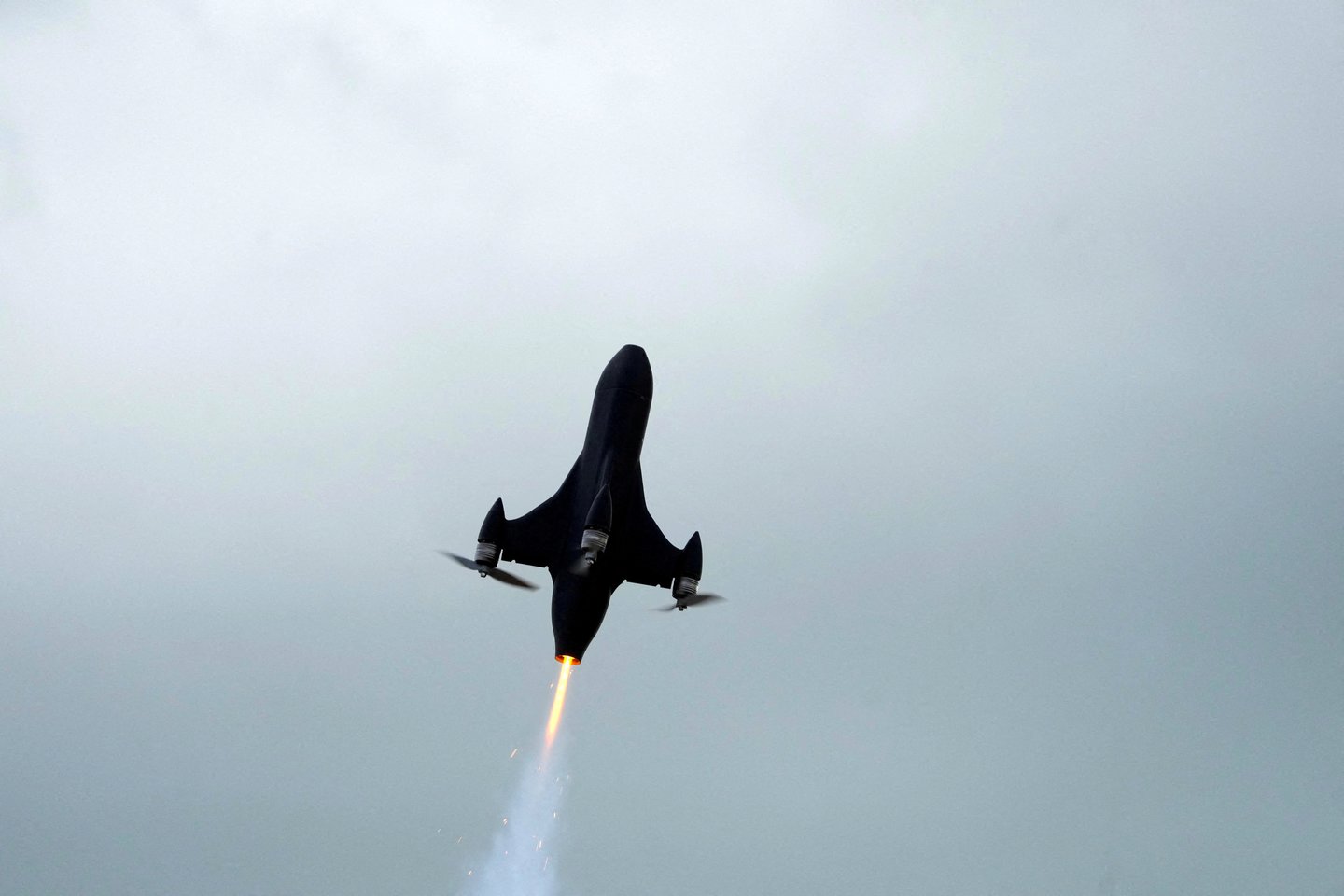
As tensions continue to fluctuate across the Baltic region, recent reports of airspace irregularities have prompted heightened vigilance across Latvia and Estonia. For those of us following regional security, the deployment of NATO fighter jets in response to detected drone activity highlights the ongoing challenges associated with monitoring and protecting the airspace of member states along the alliance’s eastern flank. These incidents, while varied in their specific circumstances, underscore the continuous operational readiness required by NATO’s integrated air defense systems.
The security landscape in the Baltics remains a focal point for international observers. As a journalist who has covered geopolitical shifts for over 14 years, I have seen how quickly the atmosphere can change when territorial integrity is challenged. The presence of NATO assets in the region is not merely a reactive measure but a core component of the alliance’s mission to defend its 32 member countries and their one billion citizens, as outlined in the official NATO mission overview.
Maintaining Vigilance Over Baltic Skies
The recent scrambling of NATO fighter jets serves as a reminder of the proximity of potential threats to the Baltic states. While specific details regarding individual drone incursions often undergo rigorous verification by national authorities before being classified as security breaches, the collective response from the alliance demonstrates a unified approach to air policing. This collaborative effort ensures that any unauthorized entry into the sovereign airspace of a member state is met with a swift and coordinated assessment.
Regional security is a dynamic field and the integration of advanced detection systems is essential for modern air defense. The focus on monitoring borders, particularly those adjacent to non-NATO territories, has intensified as technology evolves. This proactive stance is intended to mitigate risks before they escalate, providing a layer of protection that is both visible and effective for the populations residing in border regions.
The Role of NATO in Regional Stability
Beyond immediate tactical responses, the political framework governing these actions remains central to European security. High-level discussions regarding these developments continue to take place within the alliance’s legislative bodies. For instance, on June 1, 2026, NATO Deputy Secretary General Radmila Shekerinska delivered a keynote address at the NATO Parliamentary Assembly’s Spring Session held in Vilnius, where the strategic priorities of the alliance were discussed in the context of the current security environment, as documented by NATO’s official records.
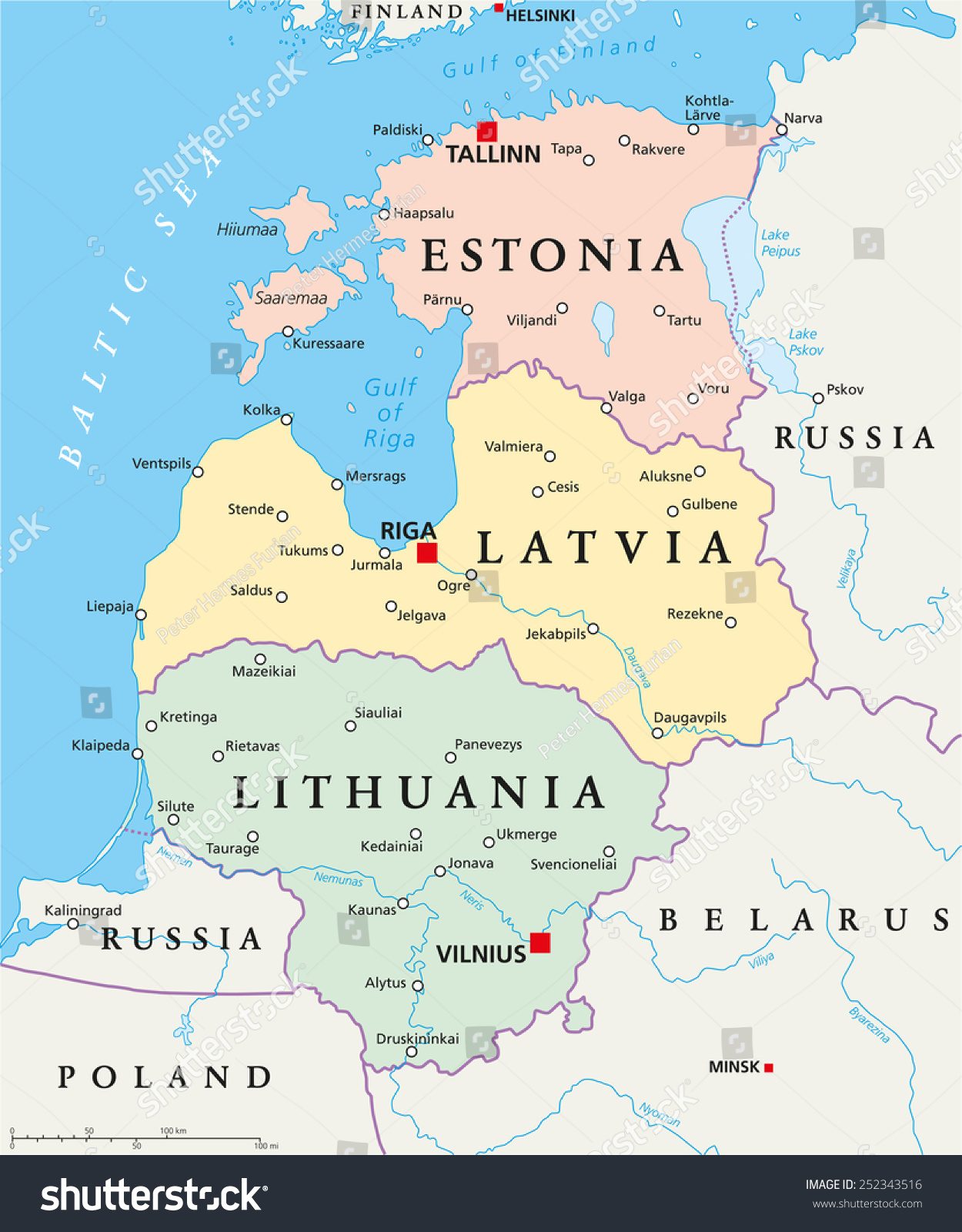
These parliamentary sessions are crucial for aligning the security policies of member nations. By fostering dialogue between international representatives, NATO ensures that the defensive posture in the Baltics remains robust and transparent. The commitment to collective defense is the bedrock upon which Baltic security rests, ensuring that any threat against one member is treated with the seriousness of a threat against the entire alliance.
Key Takeaways on Regional Air Security
- Integrated Defense: NATO’s air policing missions are coordinated across multiple member states to ensure seamless coverage.
- Continuous Monitoring: Authorities utilize a combination of radar and visual identification to track objects of interest in the airspace.
- Diplomatic Engagement: Ongoing high-level meetings, such as the Parliamentary Assembly in Vilnius, are vital for maintaining a unified strategic front.
- Public Safety: Local alerts are issued by national authorities to ensure the safety of residents in regions where aerial activity is detected.
What Happens Next
Looking ahead, the focus for both Latvian and Estonian security services—in cooperation with their NATO partners—will be the continued refinement of detection and response protocols. As surveillance technology improves, so too does the ability of the alliance to distinguish between civilian traffic and potential security threats. Residents and observers should look for official updates from the respective national defense ministries of Latvia and Estonia, which remain the primary sources for confirmed information regarding local airspace incidents.
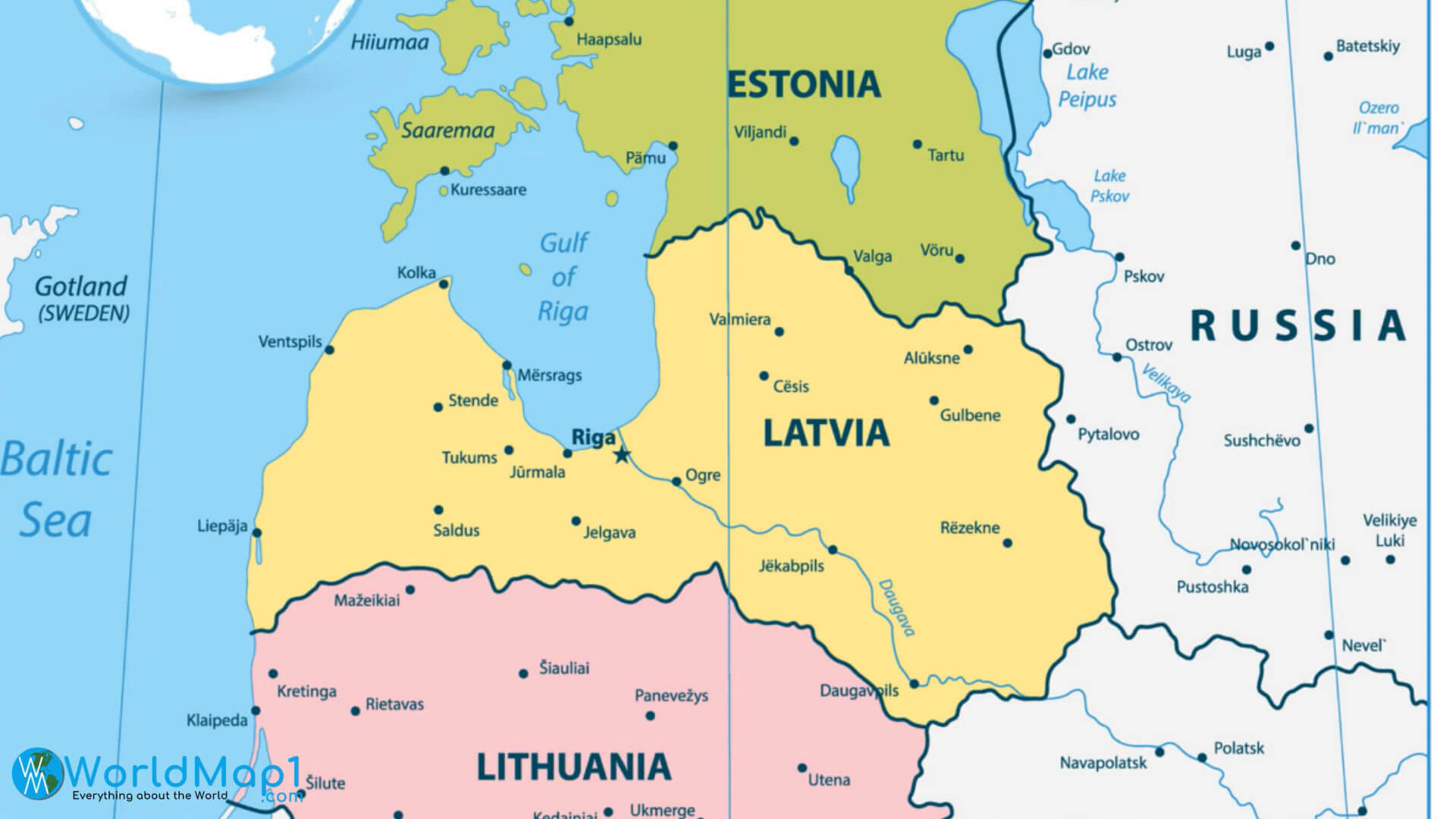
The situation remains fluid, and the commitment of the alliance to the security of the Baltic states is unwavering. As we monitor these developments, We see essential to rely on verified information from official government and NATO channels to understand the full scope of regional activities. I invite you to share your thoughts on these developments in the comments section below or join the conversation on our social media platforms as we continue to track the evolving security situation in Europe.