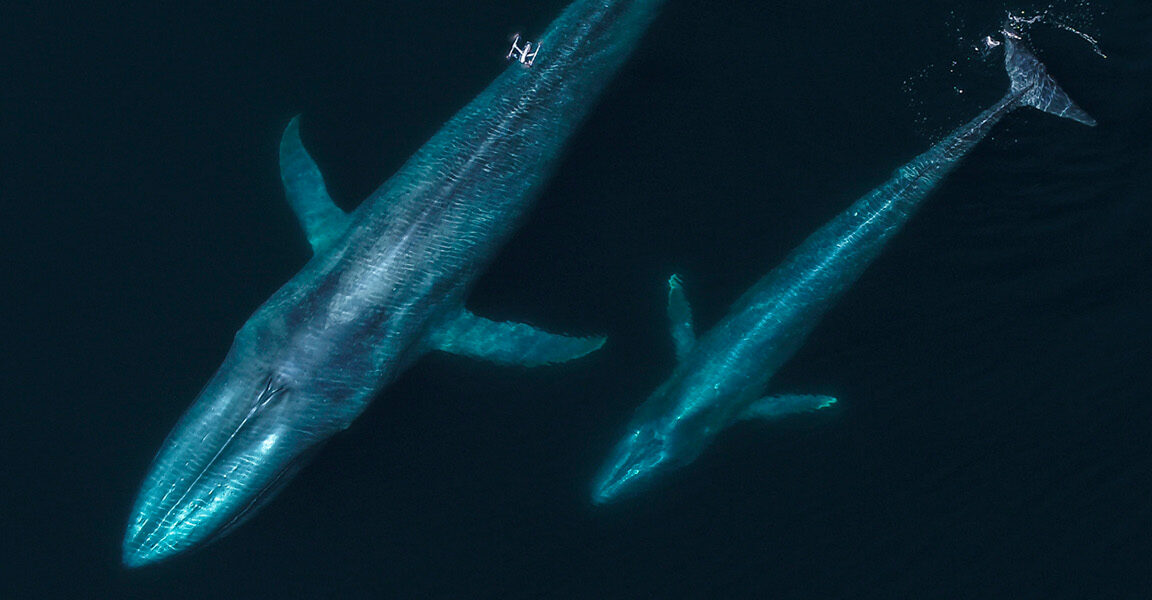
The Rise of ‘SnotBot‘ and How Drones are Revolutionizing Whale Research
For decades, studying whales meant enduring arduous sea voyages and facing the challenge of close-range encounters with massive marine mammals. But a pivotal moment – and a face full of whale snot – sparked a revolution in marine biology. Today, drones are transforming how scientists gather critical data, offering a non-invasive and remarkably effective way to understand these majestic creatures.
From Frustration to Innovation: The Birth of SnotBot
In 2010,following the Deepwater Horizon oil spill,whale scientist Iain Kerr faced a daunting task.He needed to assess the spill’s impact on sperm whales in the Gulf of Mexico. His method? Collecting tissue samples using specialized darts. Though, the whales proved elusive, disappearing beneath the waves each time his boat approached.
“I felt like I was playing whac-A-Mole,” Kerr recalls. Then,a surprising encounter changed everything.A whale dove directly in front of his boat, covering him in its blowhole spray – whale snot. this seemingly unpleasant experience ignited an idea: could he collect this valuable substance from the air?
That idea evolved into the SnotBot, a drone equipped with petri dishes designed to capture a whale’s exhaled mucus as it surfaces to breathe. This “snot” is a treasure trove of facts. Researchers can analyze it to determine a whale’s DNA, sex, pregnancy status, and even the composition of its microbiome.
Today, SnotBot and similar drone technologies are deployed globally, studying not only sperm whales but also blue whales, dolphins, and other marine species. As Kerr puts it, “Drones have changed my life.”
Why Whale Snot Matters: A Wealth of Biological Data
You might be wondering, why is whale snot so crucial? The answer lies in the wealth of biological data contained within it.Analyzing whale blowhole spray allows scientists to:
* Assess overall health: Identifying stress hormones and immune markers.
* Track pregnancies: Detecting hormone levels indicative of gestation.
* Determine genetic diversity: understanding population structure and relatedness.
* Monitor pollutant exposure: Analyzing contaminants present in the whale’s system.
* Study the microbiome: Revealing the complex community of microorganisms living within the whale.
This non-invasive approach eliminates the need for risky and stressful darting procedures, providing a more ethical and comprehensive understanding of whale populations.
The drone revolution in Marine Mammal Research
the SnotBot is just one example of how drone technology is reshaping marine mammal research. Over the past decade, advancements have made drones more affordable, user-pleasant, and capable. Joshua Stewart, an ecologist at the Marine Mammal Institute at Oregon State university, notes that scientists “are finding applications for drones in virtually every aspect of marine mammal research.”
Here are some key ways drones are being utilized:
* Aerial Photography & Videography: Capturing high-resolution images and videos for population surveys and behavioral studies.
* Thermal Imaging: Detecting whales in low-light conditions or challenging weather.
* 3D Modeling: Creating accurate models of whale bodies to assess body condition and health.
* Acoustic Monitoring: Deploying drones with hydrophones to record underwater sounds and track whale vocalizations.
* Environmental Monitoring: Assessing water quality and identifying potential threats to whale habitats.
Looking Ahead: The Future of Drone-Based Whale Research
The potential of drones in marine mammal research is immense. As technology continues to evolve, we can expect even more sophisticated applications. Future developments may include:
* Automated sample collection: Drones capable of autonomously identifying and collecting blowhole spray.
* Real-time data analysis: Onboard processing of data for immediate insights.
* Long-range drone capabilities: Expanding the range of research areas.
* AI-powered image recognition: Automating the identification of individual whales.
These advancements promise to unlock new levels of understanding about whale behavior, health, and conservation needs.
Evergreen Insights: The Broader Impact of Technological Innovation in Conservation
The story of the SnotBot highlights a crucial point: technological innovation is a powerful tool for conservation. By embracing new technologies, researchers can overcome traditional limitations and gain deeper insights into the natural world.