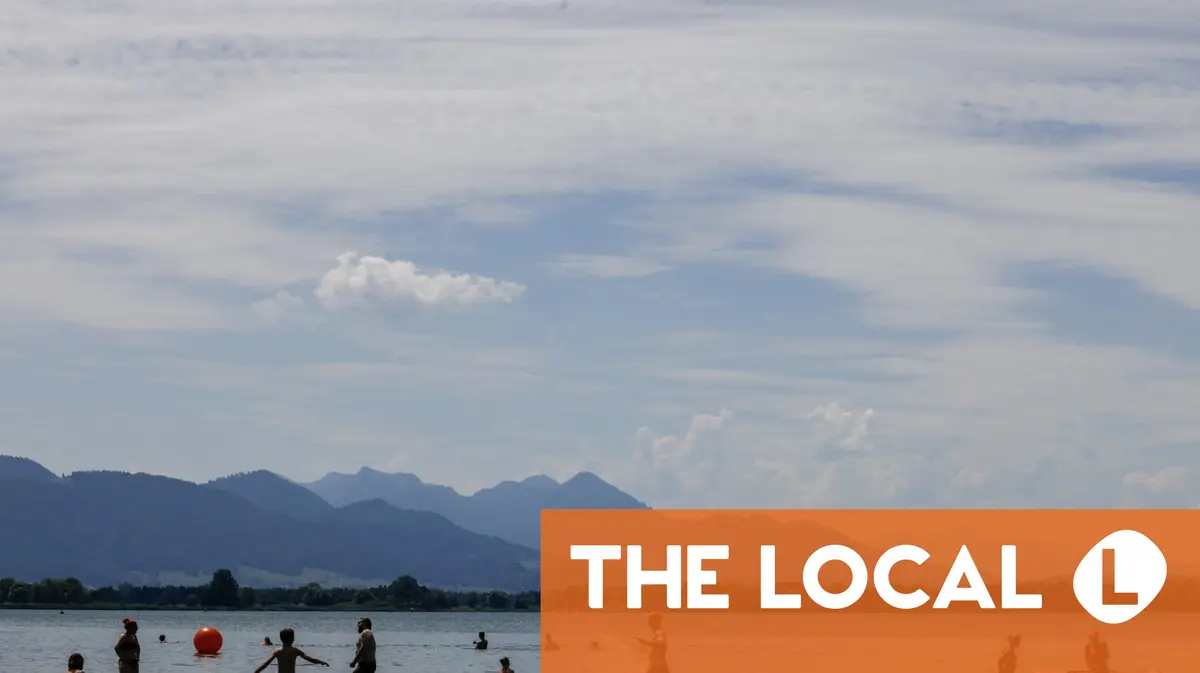
Germany experienced a significant increase in water-related fatalities last month, with the German Life Saving Association (DLRG) reporting 99 drownings across the country. This figure marks the highest monthly death toll since the record-breaking European heatwave of 2003, as rising temperatures prompted more people to seek relief in lakes, rivers, and swimming pools.
The DLRG, which maintains the national statistics for water-related accidents, noted that the spike in fatalities corresponds directly with prolonged periods of extreme heat in July. While German authorities continue to analyze the data, the organization has emphasized that the combination of high air temperatures and relatively cool water can lead to physical distress, including cold-water shock and exhaustion, even for experienced swimmers.
Environmental Factors and Public Safety Risks
The surge in drownings is being attributed to a mix of climatic conditions and human behavior. According to the DLRG’s official July assessment, the heatwave conditions drew large crowds to unsupervised bodies of water. The disparity between hot air temperatures and the temperature of natural water sources, which may remain cold despite the heat, poses a significant risk of cardiovascular strain.
Experts from the DLRG have underscored that many of the incidents occurred in inland waters where lifeguards are not present. In Germany, the lack of professional supervision at many unregulated swimming spots remains a primary concern for water safety officials. The organization has urged the public to adhere to safety protocols, such as swimming only in marked, supervised areas and avoiding alcohol consumption before entering the water.
Historical Context and Data Trends
The 99 deaths recorded in July are historically significant when compared to previous decades. In 2003, a historic heatwave across Europe led to a sharp increase in water-related fatalities as the population sought to escape record-high temperatures. The current figures suggest that the 2024 season is trending toward a particularly dangerous summer for water recreation in Germany.
The DLRG tracks these statistics annually to inform public safety campaigns. By comparing current data against historical benchmarks, the association identifies patterns in where and how these accidents happen. Detailed information on water safety and local swimming regulations can be found on the official DLRG website, which provides resources for both residents and tourists.
Preventative Measures and Official Guidance
To mitigate the risk of further tragedies, German safety organizations are renewing their focus on public education. Key safety recommendations provided by the DLRG include:
- Swimming only in areas monitored by professional lifeguards.
- Acclimatizing the body to water temperatures gradually to prevent shock.
- Avoiding swimming immediately after heavy meals or alcohol consumption.
- Ensuring children are under constant adult supervision near any body of water.
As the summer season continues, the DLRG plans to release updated figures to track whether the trend in drowning incidents persists. The next official update from the association is expected following the conclusion of the summer period, as they continue to monitor safety compliance and rescue operations across the country. Readers are encouraged to share these safety guidelines to help reduce the risk of further accidents in their local communities.
Related reading