
The Unexpected Evolutionary Link Between Fruit, Fermentation, and Our Tolerance for Alcohol
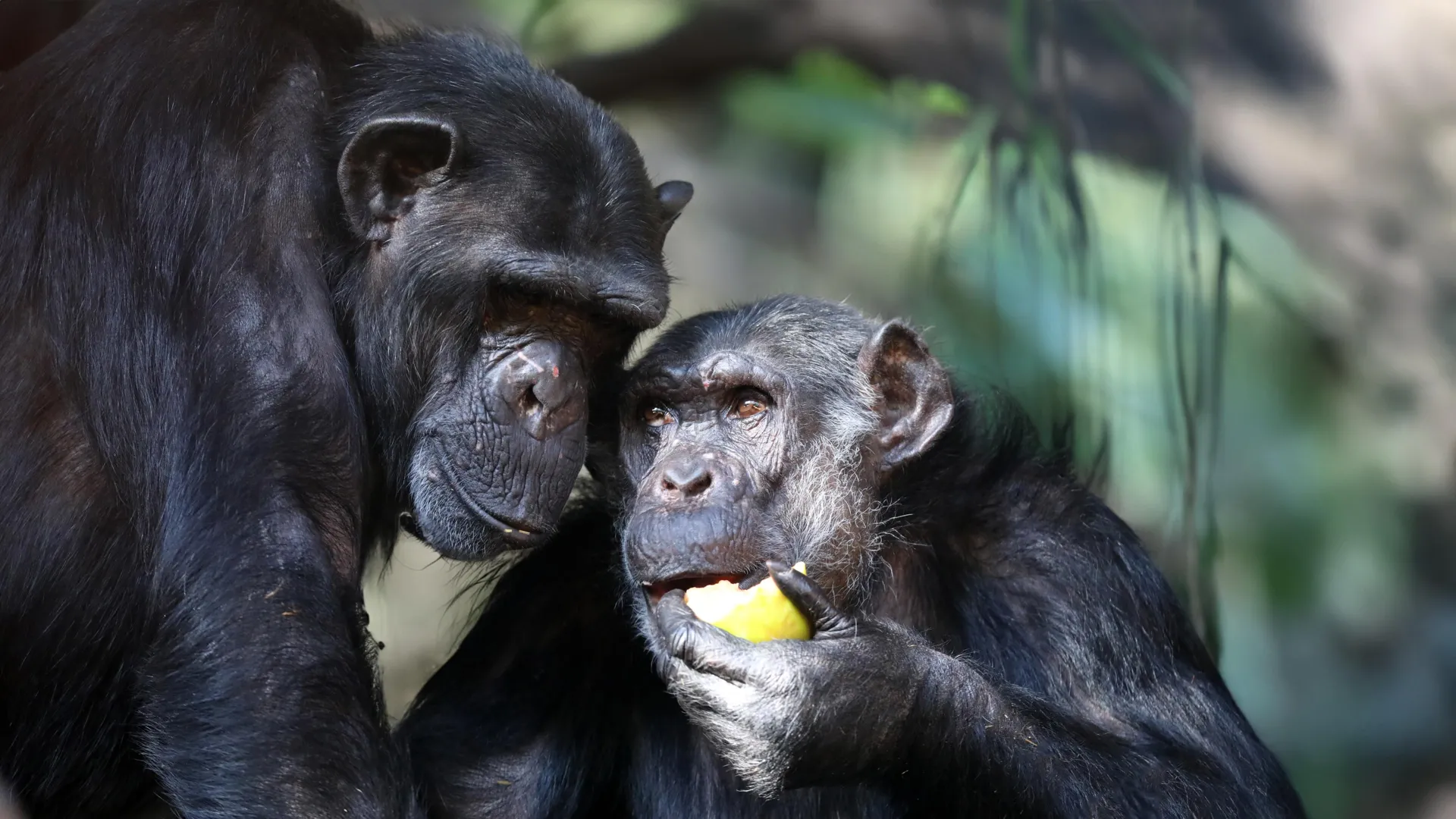
For decades, primatologists have observed great apes foraging for fallen fruit, a behavior often dismissed as opportunistic scavenging. Now, a team of researchers led by anthropologist Kim Dominy is proposing a new term - “scrumping” - to describe this act, and arguing it holds a key to understanding a pivotal moment in human evolution: our remarkable ability to metabolize alcohol.This isn’t just about apes enjoying a slightly tipsy snack; it’s a potential explanation for why humans can process ethanol so efficiently,a trait that predates our first fermented beverages by millions of years.
Defining Scrumping: More Than Just Fallen Fruit
The term “scrumping,” borrowed from the medieval German “schrimpen” (meaning shriveled or shrunken, describing overripe fruit) and popularized in England as a colloquialism for cloudy apple cider, precisely captures the behavior. It refers to the deliberate gathering – and sometimes “stealing” - of windfallen fruit, frequently enough overripe and naturally fermented. While primatologists have documented this behavior, the lack of a specific term has obscured its significance. “The absence of a word has disguised its importance,” explains Dominy. “We’re hoping to fill an significant void in scientific discourse.”
The researchers meticulously defined scrumping as observing an ape consuming fruit at ground level that typically grows in the upper or middle canopy. This distinction is crucial, as it separates opportunistic feeding from a targeted search for fermented fruit.
A Genetic Clue and the African Ape Advantage
The impetus for this research stems from a 2015 genetic study revealing a single amino acid change in the last common ancestor of humans and African apes. This change boosted their ability to metabolize alcohol by a staggering 40 times. But why would such an adaptation evolve? The scrumping hypothesis offers a compelling answer.
The team’s investigation of orangutans, chimpanzees, and gorillas revealed a striking pattern: African apes regularly engage in scrumping, while orangutans do not. This aligns perfectly with the genetic findings, as orangutans possess a relatively inefficient ethanol-metabolizing enzyme.
The Evolutionary Benefits of a Buzz?
The researchers propose that the ability to process ethanol allowed African apes to safely consume the fermented fruit readily available on the forest floor. This offered several evolutionary advantages:
Reduced Competition: Access to fermented fruit lessened competition with monkeys for the less-ripe fruit higher in the trees.
Risk Mitigation: Avoiding the need to climb for fruit significantly reduced the risk of dangerous falls – a risk Dominy’s previous research (2023) has shown profoundly impacted human physiology.
Nutritional Prospect: Fermentation increases the sugar content of fruit, providing a concentrated energy source.
Considering chimpanzees consume approximately 10 pounds of fruit daily, the team estimates their alcohol intake is considerable. This suggests chronic, low-level ethanol exposure may be a significant, and previously underestimated, factor in their lives – and a driving force in human evolution.
From Foraging to Farming: A Prehistoric Predisposition
The implications extend far beyond ape behavior. Dominy argues that our remarkable alcohol tolerance didn’t develop because we learned to brew; rather, we learned to brew because we were already predisposed to metabolize alcohol. “We evolved to metabolize alcohol long before we ever figured out how to make it,” he states, “and making it was one of the major drivers of the Neolithic Revolution that turned us from hunter-gatherers into farmers and changed the world.”
The Social Side of Scrumping
The research also hints at a potential social dimension. Co-author Catherine Hobaiter points out the basic human tendency to drink together. “The next step is to investigate how shared feeding on fermented fruits might also influence social relationships in other apes,” she says. Could scrumping have fostered cooperation and strengthened social bonds in our ancestors?
A New Term,A New Perspective
The researchers are optimistic that “scrumping” will gain traction within the scientific community,joining the ranks of terms like “symbiosis” and “meme” – words that initially filled conceptual gaps and ultimately became integral to scientific discourse.
“If the term is useful, then it will catch on,” Dominy concludes.”That’s natural selection at work!”
Key Takeaways & Why This Matters:
Reframes Ape Behavior: Elevates a previously overlooked foraging behavior to a potentially significant evolutionary driver.
Explains Human Alcohol Tolerance: Offers a compelling explanation for our unique ability to metabolize ethanol, predating the invention of alcohol.
**highlights the Interplay





![Prostate Cancer Recovery: A Doctor’s Story [Podcast]](https://i0.wp.com/kevinmd.com/wp-content/uploads/The-Podcast-by-KevinMD-WideScreen-3000-px-4-scaled.jpg?resize=330%2C220&ssl=1 "Prostate Cancer Recovery: A Doctor’s Story [Podcast]")


