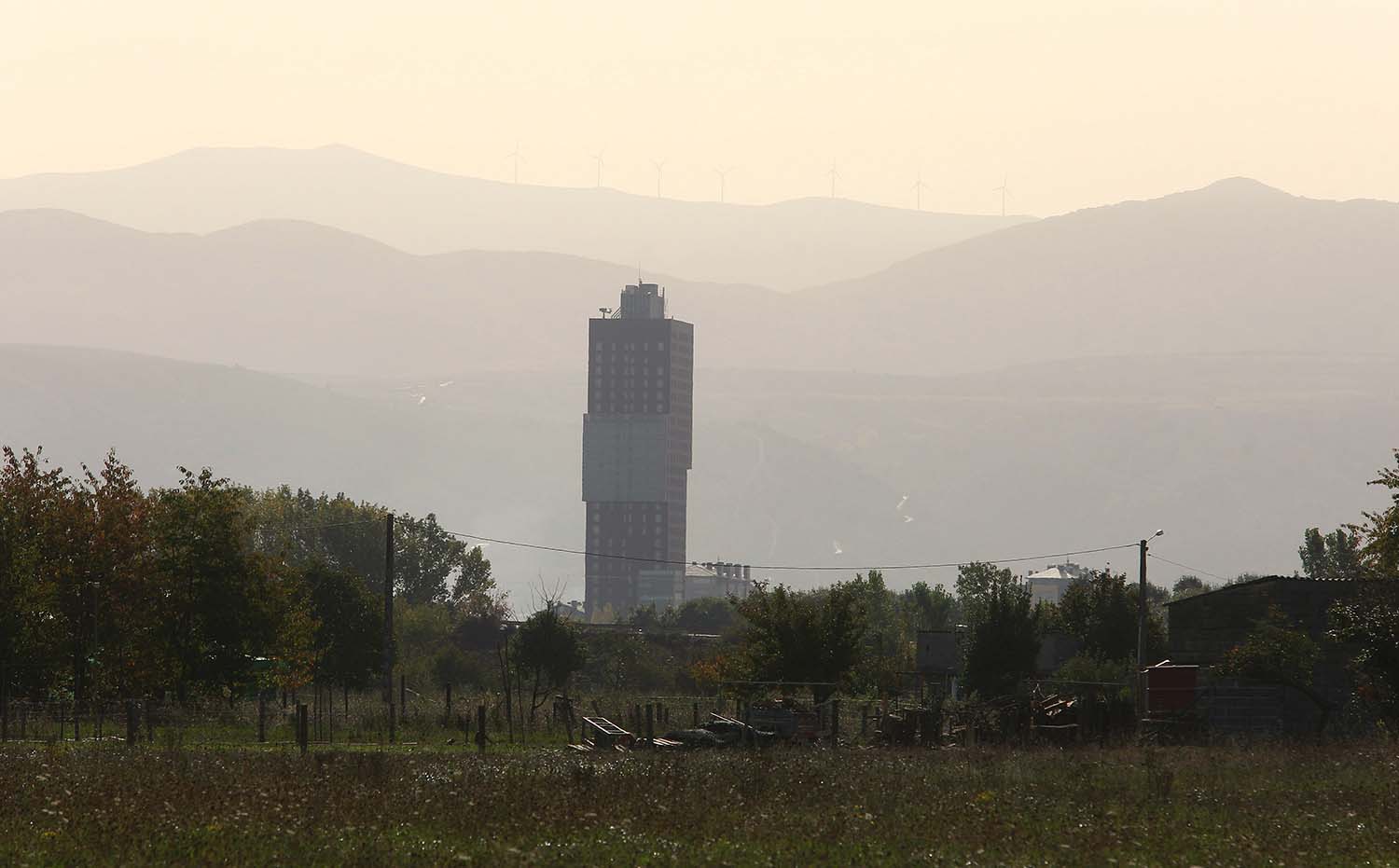
A prolonged episode of dust from the Sahara Desert continues to affect air quality across much of the Iberian Peninsula, prompting health advisories and warnings for vulnerable populations. While the initial surge of dust began in late February, alerts remain in effect, with authorities in regions like Castilla y León, Spain, extending warnings into early March. This recurring phenomenon, increasingly common in recent years, poses risks to respiratory health and overall well-being, particularly for individuals with pre-existing conditions.
The current situation, first noted on February 23rd, is characterized by elevated levels of particulate matter, specifically PM10 and PM2.5, in the atmosphere. These particles, smaller than the width of a human hair, can penetrate deep into the lungs, exacerbating respiratory illnesses and triggering allergic reactions. According to the Comunidad de Madrid, the concentration of these particles can reach between 5 and 50 micrograms per cubic meter during peak periods. The World Health Organization (WHO) guidelines recommend an annual mean PM2.5 concentration of no more than 5 micrograms per cubic meter, highlighting the potential for significant air quality degradation during these dust events. The WHO provides detailed information on the health impacts of air pollution.
Health Risks Associated with Saharan Dust
Saharan dust, while a natural occurrence, carries a complex mix of particles including mineral dust, pollen, bacteria, and even traces of metals. The composition varies depending on the source region and meteorological conditions. While the dust itself isn’t necessarily toxic, its impact on air quality and the potential to carry biological agents can be detrimental to health. The Agencia Caribeña de Salud Pública (CARPHA) notes that the dust alters air quality and increases particulate matter, posing a particular danger to children, the elderly, and individuals with underlying pulmonary or cardiovascular conditions. Exposure to these particles can lead to decreased lung function, asthma attacks, and worsening of existing respiratory and cardiac problems.
Symptoms of exposure can range from mild irritation of the eyes, nose, and throat to more severe respiratory distress. Individuals with asthma may experience increased wheezing, coughing, and shortness of breath. Those with heart conditions may notice palpitations, difficulty breathing, or unusual fatigue. Madrid Salud advises individuals experiencing respiratory difficulties to seek medical attention or contact emergency services at 112. It is crucial for individuals with pre-existing conditions to adhere to their prescribed medication plans during these episodes.
Regional Impacts and Current Alerts
The current alert in Castilla y León, extended through at least March 5th, advises residents to avoid strenuous physical activity outdoors and refrain from burning vegetation. Similar advisories have been issued in other regions of Spain, including Madrid, where alerts were active as of August 26, 2025, with potential dust concentrations ranging from 20 to 500 micrograms per cubic meter. The Comunidad de Madrid is actively monitoring air quality and providing updates to the public.
The frequency of these Saharan dust events has been increasing in recent years, a trend linked by some researchers to climate change and desertification in North Africa. Changes in atmospheric circulation patterns may be contributing to the increased transport of dust across the Mediterranean Sea. While dust transport is a natural process, the intensification of these events raises concerns about long-term impacts on public health and environmental quality. The Centro de Investigaciones Energéticas, Medioambientales y Tecnológicas (CIEMAT) and the Consejo Superior de Investigaciones Científicas (CSIC) are actively studying these trends and working to improve forecasting models.
Mitigation Strategies and Protective Measures
Beyond avoiding strenuous activity and adhering to medical advice, several measures can be taken to minimize exposure to Saharan dust. Using public transportation can help reduce vehicle emissions, which can exacerbate air pollution. Keeping windows and doors closed, especially during peak dust periods, can help prevent particles from entering indoor spaces. Air purifiers with HEPA filters can similarly be effective in removing particulate matter from the air. Wearing a mask, such as an N95 respirator, can provide additional protection when outdoors.
Authorities are also exploring long-term strategies to mitigate the impacts of Saharan dust, including improved air quality monitoring networks, early warning systems, and public awareness campaigns. Investing in sustainable land management practices in North Africa to combat desertification is also seen as a crucial step in addressing the root causes of the problem. The European Environment Agency (EEA) is coordinating efforts across Europe to address transboundary air pollution issues, including Saharan dust events. The EEA provides comprehensive data and analysis on air quality in Europe.
Looking Ahead
The current alerts in Castilla y León are expected to remain in effect until at least March 5th, with ongoing monitoring of air quality levels. The situation is dynamic, and conditions can change rapidly depending on weather patterns. Residents are advised to stay informed through official channels, including local government websites and weather forecasts. The next update from the Comunidad de Madrid regarding air quality is anticipated on March 6th. Continued vigilance and adherence to public health recommendations are essential to protect vulnerable populations during this prolonged episode of Saharan dust.
This recurring phenomenon underscores the interconnectedness of environmental health and climate change. Addressing the underlying causes of desertification and investing in sustainable solutions are crucial steps in mitigating the impacts of Saharan dust and safeguarding public health for future generations.
What are your experiences with Saharan dust events? Share your thoughts and concerns in the comments below. And please, share this article with your network to help raise awareness about this critical public health issue.