The United States Department of Defense (DoD) manages a sprawling real estate portfolio comprising more than 700,000 facilities across 5,000 global sites, yet significant portions of this infrastructure face mounting risks from deferred maintenance and climate-related degradation. The challenge of breaking the cycle of failing military infrastructure centers on balancing immediate mission readiness with the long-term capital investment required to modernize aging barracks, utility grids, and mechanical systems that are increasingly prone to catastrophic failure.
Recent historical data underscores the vulnerability of these assets. During Winter Storm Uri in February 2021, extreme sub-freezing temperatures led to widespread pipe bursts and flooding in residential barracks at Fort Hood—now officially redesignated as Fort Cavazos. According to the Government Accountability Office (GAO), the incident rendered over 30 buildings uninhabitable, forced the emergency relocation of soldiers, and resulted in approximately $50 million in infrastructure damage. This event serves as a primary case study for the systemic risks posed by aging utility systems that lack modern weatherization.
The Scope of Military Infrastructure Decay
The infrastructure deficit within the U.S. military is not limited to isolated weather events; it is a structural issue tied to decades of budget prioritization that often favors force modernization and operational readiness over facility sustainment. The DoD reports that it operates roughly 700,000 facilities, a massive footprint that requires constant, high-cost maintenance to remain functional. As noted by the Office of the Under Secretary of Defense for Acquisition and Sustainment, the department consistently struggles to meet its internal goals for facility condition indices, with many installations relying on systems that have exceeded their intended service life by several decades.
When utility systems—such as heating, ventilation, and air conditioning (HVAC) units—fail, the impacts are immediate and measurable. Beyond the financial cost of repairs, the degradation of living conditions directly affects the morale and retention of service members. The reliance on legacy systems, many of which were installed during the Cold War era, means that modern energy efficiency standards and climate-resiliency requirements are often unmet, leaving the military vulnerable to the same environmental stressors that impact civilian infrastructure.
Policy Hurdles and Funding Constraints
Breaking the cycle of failure requires a shift in how the DoD budgets for military construction (MILCON) and facilities sustainment, restoration, and modernization (FSRM). Historically, when fiscal constraints arise, sustainment accounts are frequently the first to be raided to cover personnel costs or procurement shortfalls. The Congressional Research Service has highlighted that this “cannibalization” of maintenance budgets creates a compounding debt of deferred repairs, where small, preventable issues escalate into multi-million dollar structural failures.
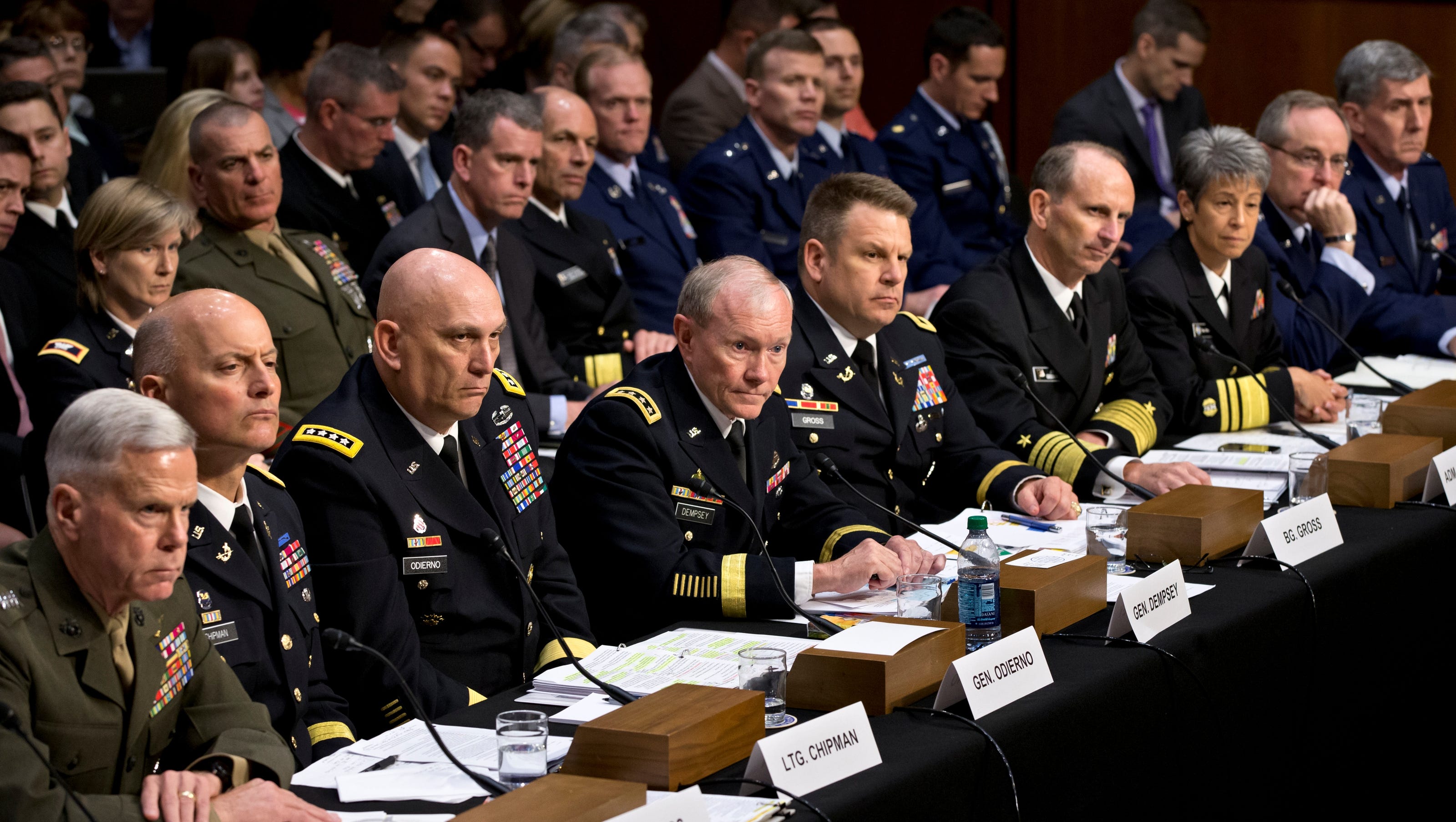
Legislative oversight remains a critical component of the solution. The annual National Defense Authorization Act (NDAA) serves as the primary mechanism for directing funds toward infrastructure improvements. However, lawmakers often face a choice between funding new weapon systems and repairing existing barracks. Transparency in reporting, specifically through the DoD’s annual budget requests, is essential for tracking whether designated sustainment funds are actually spent on the intended facility upgrades or redirected toward other operational priorities.
Modernizing for Climate Resiliency
The path forward involves integrating climate risk assessments into all future military construction projects. The Department of Defense has initiated efforts to incorporate “climate-informed” design standards, acknowledging that the extreme weather patterns observed in recent years are no longer statistical outliers but operational realities. This includes upgrading electrical grids to be more decentralized and resilient, as well as installing weather-resistant piping and insulation in regions prone to extreme temperature shifts.
Furthermore, the military is exploring the use of data-driven predictive maintenance. By installing sensors on critical infrastructure, facility managers can identify failures in HVAC or water systems before they result in pipe bursts or total system shutdowns. This transition from reactive to proactive maintenance is viewed by defense analysts as the most viable way to reduce the long-term total cost of ownership for the military’s global facility network.
Next Steps for Military Installations
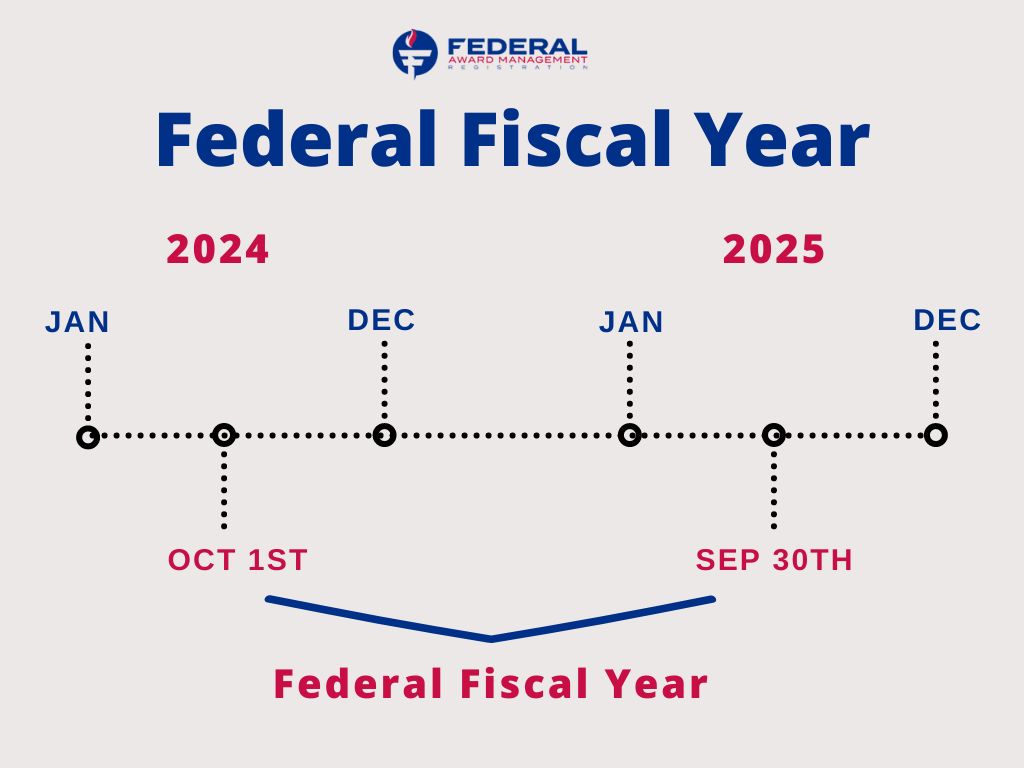
The next major checkpoint for assessing the status of military infrastructure will be the release of the Fiscal Year 2026 budget proposal, which is expected to provide updated figures on FSRM allocations and progress reports on the ongoing revitalization of housing and barracks. Stakeholders and service members are encouraged to monitor the Senate Committee on Appropriations for upcoming hearings regarding defense infrastructure oversight. As the DoD continues to manage its massive portfolio, the balance between immediate mission requirements and the necessity of long-term facility health remains a central theme in national security policy discussions.
Readers interested in the specific status of projects at individual installations can review the latest Department of Defense reports, which are updated periodically throughout the calendar year.
Related reading