
The Dutch government is currently evaluating the future of its official state aircraft, the Boeing 737 Business Jet, known by its registration PH-GOV, as the decade-old vessel approaches a critical point in its operational lifecycle. While public discussion has intensified regarding a potential transition to an Airbus-manufactured aircraft, officials have yet to confirm a formal replacement timeline or specific procurement budget for a successor to the current fleet, according to reports from the Dutch Ministry of Infrastructure and Water Management.
The PH-GOV, a Boeing 737-700 BBJ, has served as the primary transport for the Dutch Royal House and government officials since its introduction in 2014. According to official records from the Dutch civil aviation authority, the aircraft replaced the aging Fokker 70, which had been in service for nearly two decades. The current debate centers on whether the maintenance costs and technical requirements of the aging Boeing justify a continued service extension or if a more modern, efficient platform—such as the Airbus A321neo—should be sought.
Operational Lifespan and Maintenance Challenges
The core of the discussion regarding the PH-GOV involves its age and the increasing complexity of its maintenance schedule. Aircraft in this category typically undergo heavy maintenance checks every ten years, a milestone the current government jet is reaching. According to data provided by the Dutch government’s official information portal, the costs associated with these major inspections can run into the millions of euros, prompting questions about the fiscal responsibility of maintaining an older airframe versus investing in newer, more fuel-efficient technology.
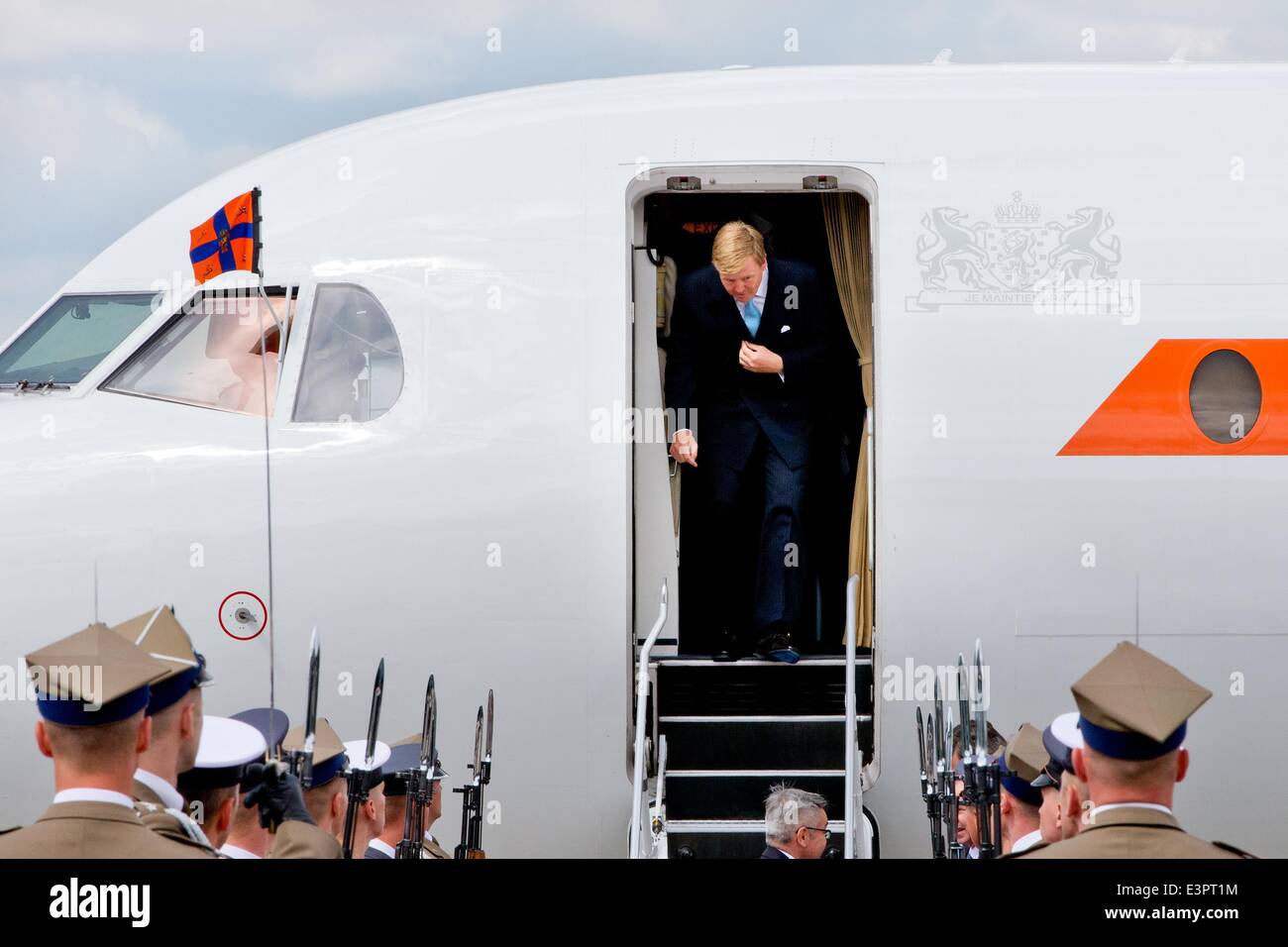
Technical requirements for government transport include high levels of security, secure communication suites, and the ability to operate out of smaller regional airports. The Airbus A321neo, often cited in industry discussions, is frequently noted for its extended range and lower carbon footprint compared to the 737-700 BBJ. However, any transition to a new platform requires significant lead time, including pilot retraining, ground crew certification, and the installation of specialized, classified government communication hardware.
The Role of the Royal House in Aviation
Public interest in the government’s aviation policy was further highlighted by the active involvement of King Willem-Alexander in aviation operations. The King, a qualified pilot who has maintained his proficiency by flying as a guest pilot for KLM, has frequently brought visibility to the technical aspects of Dutch aviation. Reports from aviation industry trackers confirm that the King has logged flight hours on various modern commercial aircraft, including the Airbus A321neo, which has fueled speculation regarding his preference for modern, efficient equipment in the state fleet.

While the King’s flying activities are distinct from the operational management of the government’s official transport, they underscore a broader national conversation about the modernization of state assets. The Dutch government must balance the necessity of secure, reliable travel for state business with the transparency required for public expenditure, especially during periods of fiscal scrutiny.
Financial Implications and Future Procurement
Estimates regarding the potential cost of a new government aircraft vary significantly, depending on the configuration and the level of security equipment required. Reports suggesting figures near 89 million euros represent early-stage market estimations for similar VIP-configured aircraft rather than an official government tender price. According to parliamentary records, the Dutch House of Representatives has not yet approved a specific budget for the procurement of a new aircraft, and no formal contract with any manufacturer has been signed.
The process for replacing state aircraft involves several rigorous steps, including:
- Conducting a formal market analysis to determine the best available technology.
- Issuing a Request for Proposals (RFP) to major aerospace manufacturers like Airbus and Boeing.
- Securing parliamentary approval for the capital expenditure.
- Integration of secure communication systems, which often adds a significant premium to the base price of a commercial jet.
As of late 2024, the government continues to rely on the current Boeing 737, with maintenance teams performing routine inspections to ensure the aircraft remains airworthy. The decision-making process is expected to remain a topic of debate in the coming legislative sessions, as the Ministry of Defense and the Ministry of Infrastructure coordinate on the requirements for the next decade of state travel.
Readers interested in following the official progress of this procurement can monitor updates via the Dutch government’s official press portal, where all major infrastructure and defense contracts are periodically disclosed. Further updates regarding the maintenance status of the PH-GOV are typically published following the conclusion of scheduled hangar checks.
Keep reading