
The emotional weight of a sporting farewell is often measured not just by the accolades a player leaves behind, but by the stakes of their final moment on the pitch. For Stefan Kutschke, the veteran captain of Dynamo Dresden, the conclusion of his professional journey is arriving with the highest possible tension. As the clock winds down on a distinguished career, Kutschke is set to play his final match this Sunday against Holstein Kiel, a fixture that doubles as a desperate fight for survival.
For the supporters of the SGD (Sportgemeinschaft Dynamo), the occasion is bittersweet. While the club prepares to bid farewell to a leader who has embodied the spirit of the team, the overarching priority remains the club’s status in German football. The match is not merely a ceremonial exit; it is a critical juncture in Dynamo Dresden’s quest for Stefan Kutschke retirement and the club’s broader goal of securing Klassenerhalt—avoiding relegation from the 2. Fußball-Bundesliga.
The atmosphere surrounding the club is one of profound emotion. Both the coaching staff and fellow players have acknowledged the significant impact Kutschke’s departure has on the squad. In the days leading up to the clash with Holstein Kiel, the narrative within the locker room has shifted from tactical preparation to a collective desire to send their captain off with a victory that ensures the club remains in the second tier of German football.
A Captain’s Final Stand in the 2. Bundesliga
The intersection of a career finale and a relegation battle creates a volatile emotional landscape. For Stefan Kutschke, the desire to retire on a high note is inextricably linked to the club’s survival. The 2. Bundesliga is one of the most competitive second-tier leagues in the world, and the fight to avoid the drop is often a grueling psychological war. To end a career by securing the club’s position in the league would be the ultimate act of leadership for a player who has served as the heartbeat of the Dresden frontline.
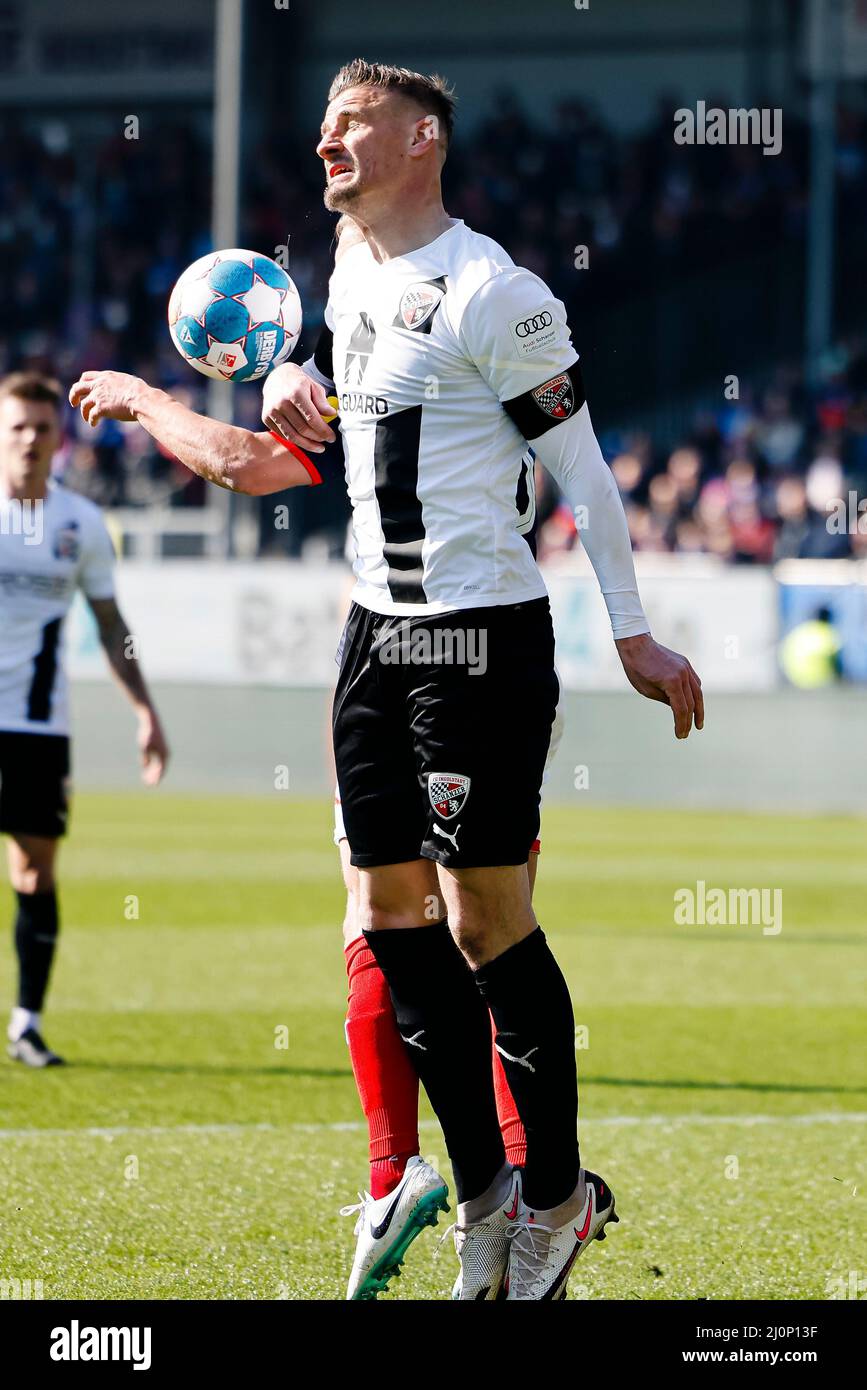
The significance of this match extends beyond the league table. In German football culture, the bond between a veteran captain and the supporters is often sacred. Kutschke has managed to bridge the gap between the pitch and the stands, making his announcement of retirement a moment of reflection for the entire community. The objective for Sunday is clear: a result that preserves the club’s professional standing and honors the legacy of a man who gave his best years to the yellow, and black.
The Tactical Challenge Against Holstein Kiel
Facing Holstein Kiel in a final appearance presents a formidable challenge. Kiel has established itself as a disciplined and tactically flexible side, often proving demanding to break down. For Dynamo Dresden, the match will require a balance of emotional intensity and clinical execution. The team must channel the emotion of Kutschke’s retirement into a competitive advantage rather than allowing the weight of the moment to create instability.
The coaching staff is tasked with integrating Kutschke into the game plan one last time while ensuring the team does not become overly reliant on sentiment. The tactical approach will likely focus on maximizing the veteran striker’s presence in the box, leveraging his experience to guide younger teammates through the high-pressure environment of a relegation six-pointer.
The Legacy of Stefan Kutschke at Dynamo Dresden
To understand why the retirement of Stefan Kutschke moves the SGD so deeply, one must look at his role as more than just a goal-scorer. Kutschke has been a stabilizing force during periods of transition and turmoil. His leadership style—characterized by resilience and a relentless work ethic—has set the standard for the younger generation of players entering the first team.

Throughout his tenure, Kutschke has been the primary target man, a player capable of holding up the ball under pressure and providing the clinical finish required in tight matches. However, his contribution in the dressing room has been equally vital. As captain, he has acted as the conduit between the management and the playing squad, ensuring that the club’s identity remained intact even during the most challenging stretches of the season.
Key Takeaways: The End of an Era
- The Event: Stefan Kutschke will play his final professional match on Sunday against Holstein Kiel.
- The Stakes: The match is critical for Dynamo Dresden’s effort to avoid relegation from the 2. Fußball-Bundesliga.
- The Role: As captain, Kutschke’s retirement marks the loss of a primary leader and veteran presence in the squad.
- The Goal: The club and players aim to secure Klassenerhalt (league survival) as a fitting tribute to the captain’s career.
What Happens Next for the SGD?
The departure of a captain of Kutschke’s stature leaves a void that cannot be filled by a single signing. Once the final whistle blows on Sunday, Dynamo Dresden will face the immediate challenge of restructuring its leadership. The club will need to identify a new figurehead who can command the respect of the locker room and the loyalty of the fans in the same way Kutschke did.
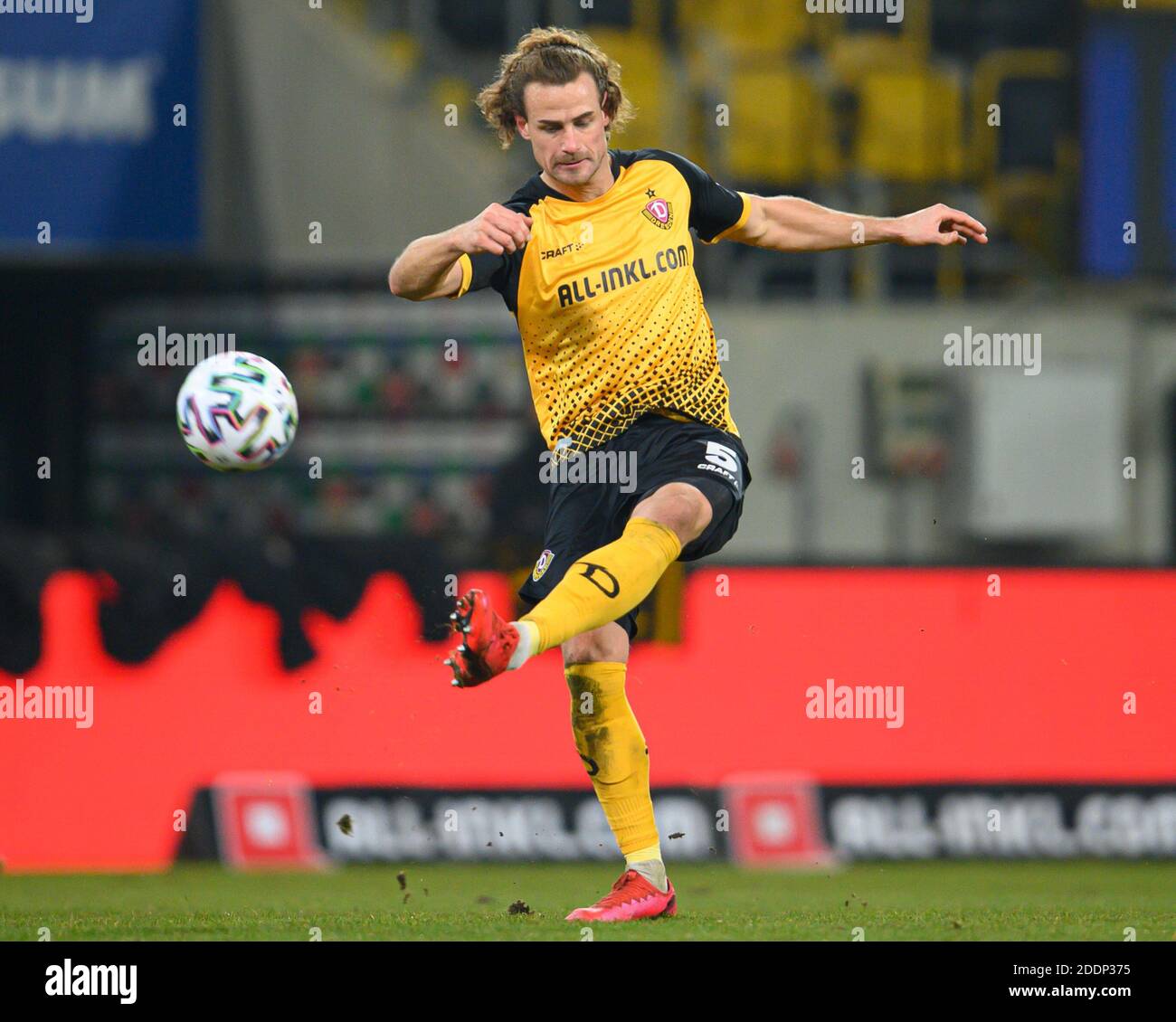
the result of the Holstein Kiel match will dictate the club’s trajectory for the 2026-2027 season. If they achieve survival, the focus will shift to squad rejuvenation and tactical evolution. If they fail, the club will face the daunting task of rebuilding in a lower division, making the emotional weight of this final match even more oppressive.
The Human Element of Professional Retirement
Retirement in professional sports is rarely a clean break. For a player like Kutschke, who has spent years in the public eye and under the intense scrutiny of the Dresden faithful, the transition is as much psychological as it is physical. The announcement of his career end has triggered a wave of support from teammates and rivals alike, highlighting the respect he has garnered across the league.

The “emotional farewell” described by the club’s inner circle suggests a deep-seated affection for the player. In a sport often dominated by contracts and transfers, Kutschke’s tenure at Dresden represents a rare continuity. The Sunday match will serve as a public celebration of that loyalty, provided the result on the scoreboard aligns with the club’s ambitions.
For the global football community, the story of Stefan Kutschke is a reminder of the intrinsic link between athlete and city. In Dresden, football is more than a game; it is a social pillar. When a captain retires, it is not just a roster change—it is the closing of a chapter in the city’s sporting history.
The next confirmed checkpoint for the club will be the official post-match press conference and the final league standings update following the conclusion of the Sunday fixture, which will determine whether Dynamo Dresden remains in the 2. Fußball-Bundesliga.
Do you think a veteran leader’s departure can motivate a team to avoid relegation, or does the emotional weight create too much pressure? Share your thoughts in the comments below.
Keep reading