
Dyson has expanded its floor-care lineup for 2026, introducing a series of hardware updates that include the new Dyson V16 Piston Animal, the V10 Konical, and an overhauled version of the classic V8 Cyclone. These additions to the company’s cordless vacuum portfolio focus on refined suction mechanics and weight distribution, marking the latest iteration of Dyson’s long-standing engineering strategy in the home appliance market. According to the company’s official product announcements, these models are designed to address specific user needs, ranging from high-torque pet hair removal to lightweight maintenance cleaning.
As the technology editor here at World Today Journal, I have tracked Dyson’s product evolution for years. The transition toward more specialized motor heads—like the “Piston” technology featured in the V16—reflects a broader industry trend of moving away from one-size-fits-all vacuuming toward task-specific hardware. While the core philosophy remains rooted in the digital motor technology that Dyson pioneered, the 2026 rollout emphasizes granular improvements in battery efficiency and filtration, which remain the primary concerns for consumers in the premium cordless segment.
Understanding the Dyson V16 Piston Animal
The Dyson V16 Piston Animal stands as the flagship of this 2026 update. It features a proprietary motor assembly that the manufacturer claims provides a 15% increase in airflow compared to the previous generation of high-end V-series models. The “Piston” nomenclature refers to the re-engineered agitation bars within the main cleaner head, which are designed to prevent hair entanglement—a perennial issue for pet owners. Dyson has published technical specifications indicating that this model utilizes a new acoustic damping system to reduce high-frequency motor noise, a common user complaint in earlier iterations.
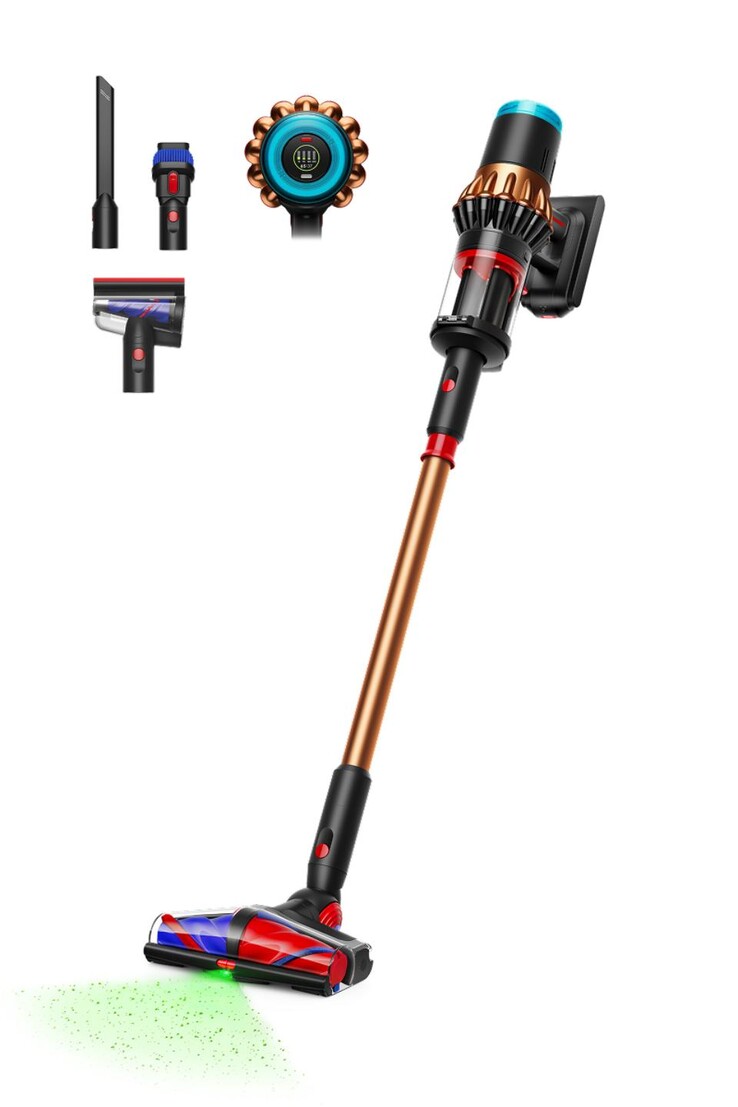
For those managing large homes, the V16 also incorporates an upgraded power management system. By analyzing the resistance at the floor head 360 times per second, the vacuum adjusts its power output dynamically to optimize battery life. This intelligent adjustment is a significant shift from the manual “Max” or “Eco” modes found on older machines, effectively lengthening the runtime during mixed-surface cleaning sessions.
The V10 Konical and the V8 Cyclone Refresh
The V10 Konical serves as the mid-range offering, distinguished by a new filtration geometry. The “Konical” design refers to the cyclone array’s shape, which is intended to improve dust separation efficiency, preventing the fine particulate matter from clogging the pre-motor filter. According to Dyson’s technical support documentation, this design change reduces the frequency of manual filter maintenance, which is a major factor in the long-term performance of cordless vacuums.
Meanwhile, the V8 Cyclone (2026 edition) targets the entry-level premium market. While the internal motor architecture remains consistent with the V8 lineage, this updated version features a revised battery chemistry that the company states provides a 20% improvement in charge-holding capacity over the lifespan of the unit. For users who have relied on the V8 for its lightweight and maneuverable frame, these updates offer a bridge between legacy durability and modern battery longevity.
Why These Updates Matter for Consumers
The shift toward these specific 2026 models highlights how the market for cordless vacuums is maturing. Consumers are no longer just looking for raw suction power; they are prioritizing runtime, ease of maintenance, and specialized tools for specific household challenges. The integration of the V16’s intelligent surface-sensing technology and the V10’s improved filtration represents a move toward “set-and-forget” appliance management, where the machine handles the complex variables of cleaning automatically.
When comparing these models, the choice often comes down to the scale of the cleaning task. The V16 is built for heavy-duty, multi-surface homes with shedding pets, while the V10 and V8 offer increasingly streamlined experiences for smaller spaces or secondary cleaning requirements. Dyson’s strategy here is to ensure that every tier of their catalog provides a distinct value proposition, preventing feature overlap while maintaining a consistent user interface across the brand.
Looking Ahead: Availability and Support
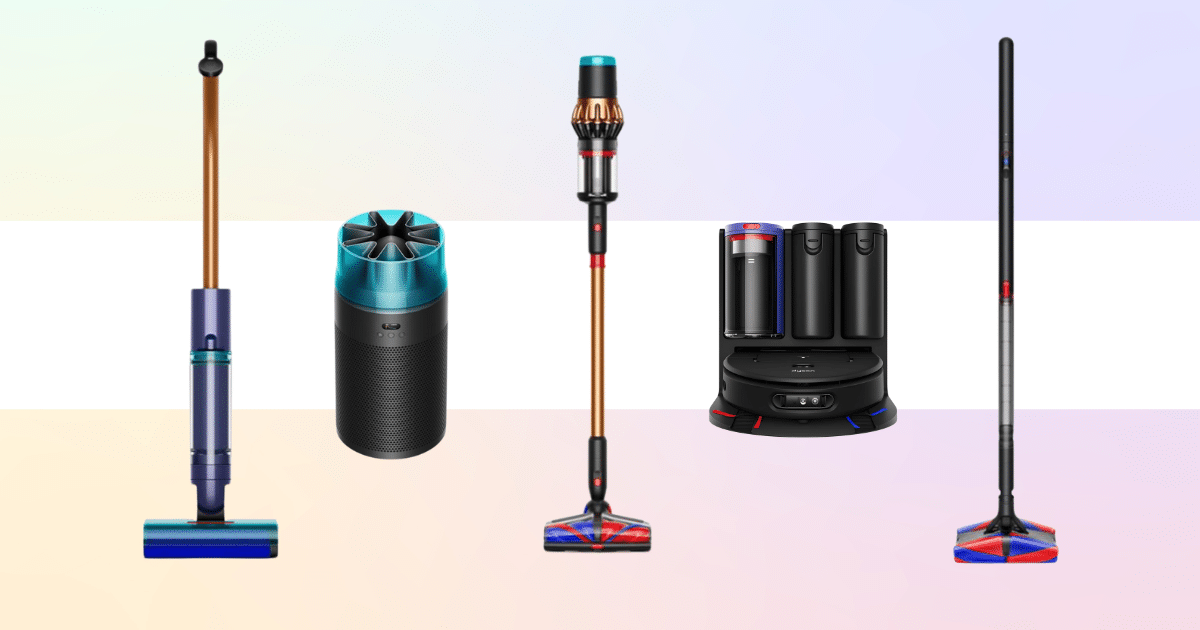
These models are currently being rolled out across global markets, though specific regional availability may vary based on local retail partnerships and inventory logistics. Dyson has confirmed that all 2026 models will be compatible with their existing range of “click-in” battery packs and non-motorized accessories, maintaining backward compatibility for current owners. According to the company’s warranty policies, these new units include the standard two-year guarantee covering parts and labor, provided they are purchased through authorized retail channels.
Consumers interested in the latest technical bulletins or firmware updates for these machines can monitor the official Dyson support portal for ongoing documentation. As these units begin to reach end-users, we expect to see further data regarding real-world battery performance and long-term durability. Feel free to share your experiences or questions regarding the new 2026 lineup in the comments section below.
Related reading