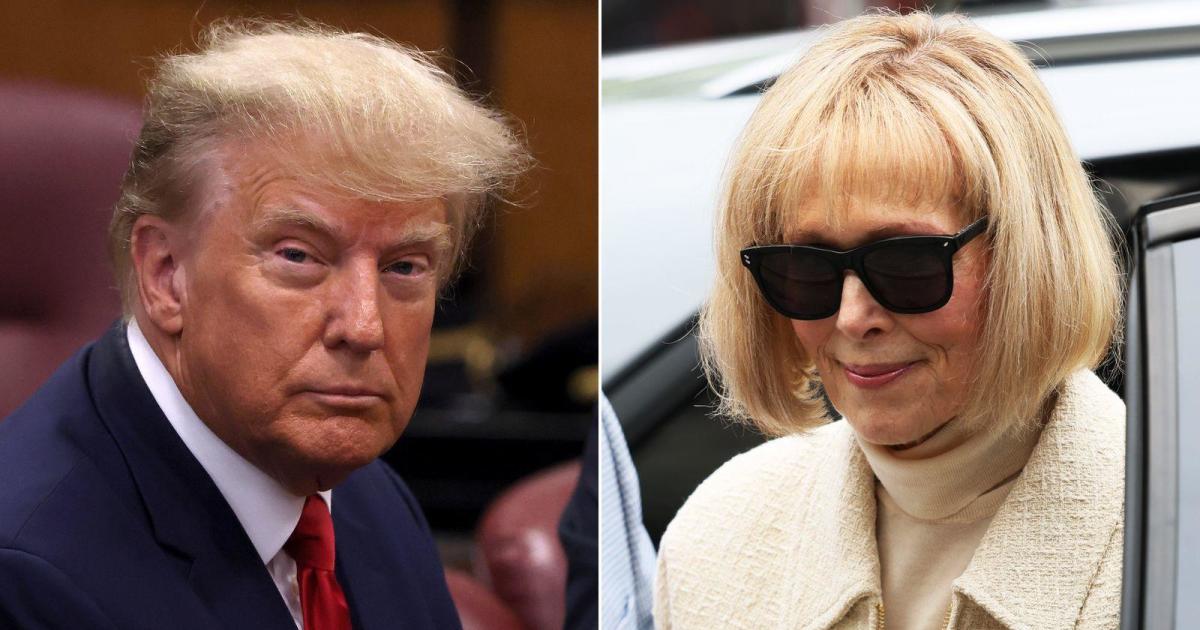
A federal judge in Manhattan has ordered the release of more than $5 million that had been held in a court-controlled account, following a 2023 jury verdict in a civil sexual abuse and defamation case brought by writer E. Jean Carroll against Donald Trump. U.S. District Judge Lewis Kaplan issued the order on Friday, authorizing the transfer of funds to Carroll after the former president’s appeal bond was cleared, according to court filings documented by the Reuters news agency.
The funds, totaling approximately $5.55 million, represent the damages awarded to Carroll by a jury in May 2023. That jury found Trump liable for sexual abuse and defamation, concluding that he had sexually abused Carroll in a Bergdorf Goodman dressing room in the 1990s and subsequently defamed her by denying the encounter. The money had been deposited into a court-monitored escrow account while the legal proceedings moved through the appellate process, as reported by the Associated Press.
The Legal Path to the Payout
The release of these funds follows a series of complex legal maneuvers involving appellate bonds and stay requests. In March 2024, Trump posted a bond to stay the enforcement of the judgment while he pursued an appeal in the U.S. Court of Appeals for the Second Circuit. However, the specific $5 million sum in question pertains to the earlier jury verdict from 2023, which was distinct from a separate $83.3 million defamation judgment awarded to Carroll in January 2024, according to Bloomberg Law.

By releasing the funds, Judge Kaplan has effectively allowed the plaintiff to collect the damages initially set by the jury. Under the Federal Rules of Civil Procedure, once a judgment is finalized and the stay of execution is lifted or satisfied through the court’s accounting, the clerk of the court is authorized to disburse the deposited funds to the prevailing party. The court’s docket reflects that the conditions for this release have now been satisfied.
Background of the Civil Litigation
The case, Carroll v. Trump, has been a central point of legal contention for several years. Carroll, a former advice columnist, first filed suit under New York’s Adult Survivors Act, a state law that provided a temporary window for sexual assault survivors to file claims that would otherwise be barred by the statute of limitations, as detailed in public court records.

The jury’s 2023 finding that Trump was liable for sexual abuse—though not rape, according to the specific definitions used by the jury in their verdict form—marked a significant development in the litigation. Trump has consistently denied the allegations, characterizing them as politically motivated and false. His legal team has maintained that the claims lack merit and has sought to challenge the findings through multiple appellate filings, as noted by the BBC.
Impact on the Plaintiff and Future Proceedings
For Carroll, the release of the $5.55 million represents the conclusion of the financial aspect of the first trial. However, the broader legal battle remains active. The $83.3 million judgment from the second defamation trial, which centered on comments Trump made while president in 2019, remains subject to ongoing appellate review. In that case, Trump was also required to post a bond to prevent the immediate seizure of assets while his legal team challenges the size of the award and the court’s procedural decisions.

The next major checkpoint in the broader litigation involves the Second Circuit Court of Appeals, which will evaluate the arguments regarding both the liability findings and the damage calculations from the various trials. As of the latest court filings, no date has been set for the oral arguments in the appeal of the 2023 verdict. Observers continue to monitor the federal docket for updates on filings from both the plaintiff’s counsel and the defense team regarding the remaining appellate deadlines.
This remains a developing story. Readers interested in the official docket filings can access them through the Public Access to Court Electronic Records (PACER) system. We invite our readers to share their thoughts on the legal implications of this case in the comments section below.