
Electronic Arts to Expand In-Game Advertising via New Integrated Platform
Electronic Arts (EA) is scaling its advertising operations by integrating brand placements directly into the gameplay of its most popular titles, including EA Sports FC and Madden NFL. This move utilizes a specialized advertising platform designed to embed sponsors into digital environments, such as stadium signage and virtual assets, rather than using traditional intrusive pop-up ads.
The initiative marks a significant shift in how the gaming giant intends to monetize its massive, highly engaged player base. By focusing on “in-game integration,” the company aims to provide brands with organic visibility within the virtual worlds players inhabit, effectively turning digital stadiums and player apparel into high-value advertising real estate.
How will Electronic Arts integrate advertising into gameplay?
The core of EA’s new strategy lies in its ability to place advertisements within the natural flow of a game session. Unlike traditional video advertising that interrupts play with unskippable videos, the proposed integration focuses on environmental storytelling and brand presence. According to reports regarding EA’s advertising expansion, this includes digital billboards in stadiums, branded textures on pitch-side boards, and potentially even logos on virtual jerseys or equipment.

This method relies on what industry analysts describe as “programmatic advertising in interactive environments.” By using a dedicated advertising platform, EA can allow brands to bid for placement in real-time or through long-term sponsorships. This creates a more seamless experience for the user, as the advertisements appear as part of the game’s simulated reality rather than as external overlays.
For titles like EA Sports FC (the successor to the FIFA series), the potential for brand integration is immense. Because the game simulates professional football environments, the inclusion of real-world sponsors on stadium perimeter boards mirrors the experience of watching a live broadcast. This alignment between the digital simulation and real-world sports consumption is central to EA’s approach.
What games will be affected by EA’s advertising platform?
While Electronic Arts has not released a comprehensive list of every title slated for integration, initial focus is directed toward its most lucrative “live service” franchises. These are games that maintain massive, consistent player populations over many years through regular updates and seasonal content.

- EA Sports FC: As a premier football simulation, the game provides a natural environment for global brands to appear on pitch-side advertising and stadium infrastructure.
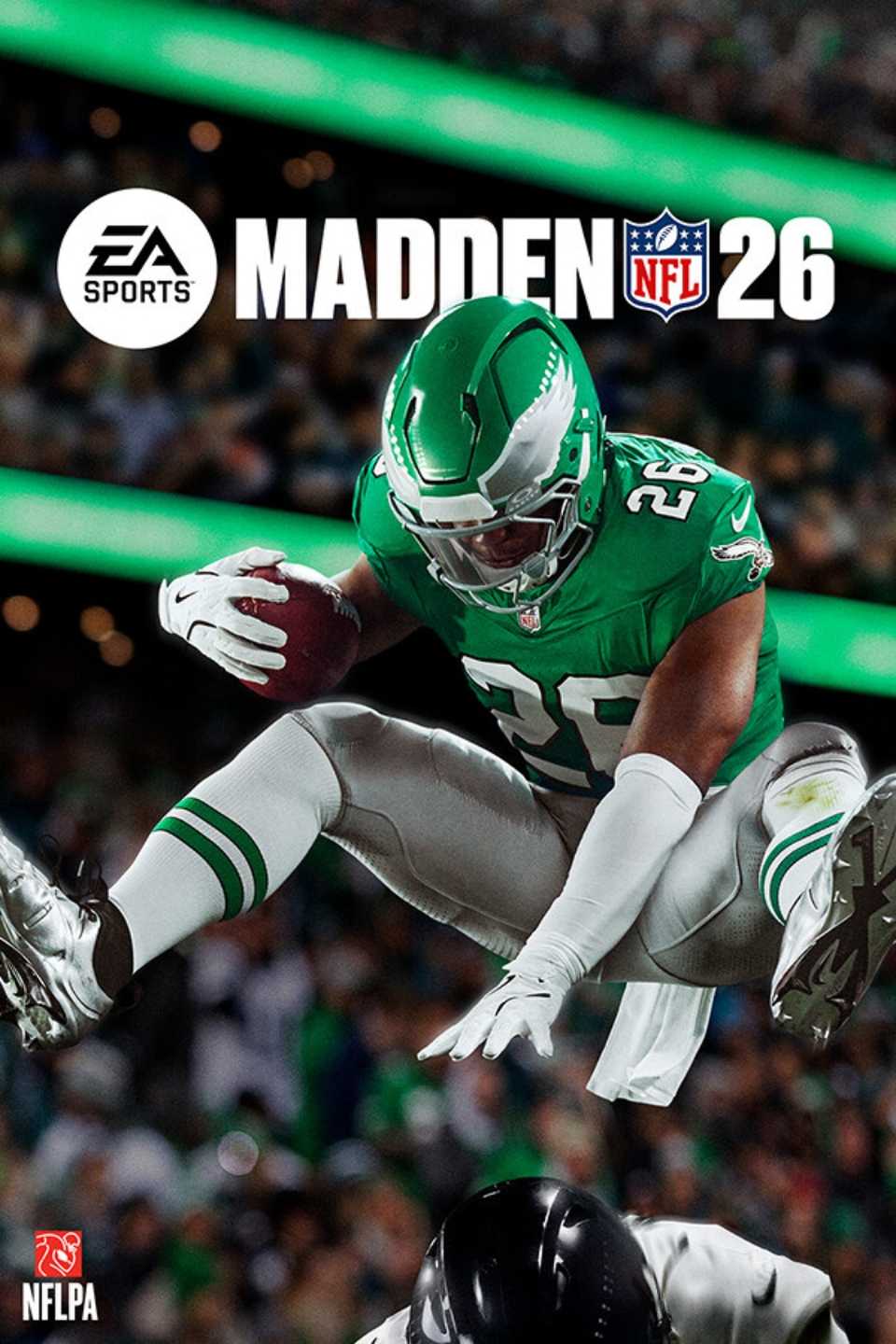
- Madden NFL: The American football franchise offers similar opportunities for brand placement within the high-intensity environments of NFL-style stadiums.
- Other Sports Titles: The architecture of the advertising platform suggests scalability to other EA sports properties, including those focused on ice hockey or collegiate athletics.
The selection of these specific titles is a calculated business move. These franchises are characterized by high “dwell time”—the amount of time a user spends within the ecosystem—and a demographic that is highly attractive to advertisers: young, tech-savvy, and globally distributed. By targeting these “anchor” titles, EA can demonstrate the efficacy of its advertising platform to potential brand partners before a wider rollout across its entire catalog.
Why is EA shifting toward in-game brand integration?
The move toward increased advertising is driven by a need for revenue diversification. For much of its recent history, EA’s growth has been fueled by two primary streams: the initial sale of software and microtransactions, specifically through “live services” like Ultimate Team. However, as the market for premium game sales matures and player sensitivity to microtransactions increases, the company is looking for more stable, scalable revenue models.
Advertising offers a way to extract value from the “attention economy” without necessarily increasing the direct cost to the player. From an economic perspective, EA is attempting to monetize the “passive engagement” that occurs during gameplay. Even when a player is not actively making a purchase, they are consuming brand impressions every time they pass a digital billboard on the screen.
Furthermore, this strategy aligns with broader trends in the digital media landscape. As traditional television viewership declines among younger demographics, brands are aggressively reallocating budgets toward interactive and digital-first platforms. EA is positioning itself to capture a portion of this shifting global advertising spend by offering a high-engagement alternative to social media or streaming video.
How does this change the gaming revenue model?
Historically, the gaming industry operated on a “transactional” model: a player pays once for a product, or pays repeatedly for specific digital goods. EA’s move toward an integrated advertising platform introduces a “media” model to the gaming ecosystem. This hybrid approach treats video games not just as software, but as broadcast environments.
This transition has several implications for the industry:
- Shift in Value Proposition: The value of a game is no longer measured solely by its mechanics or story, but also by its capacity to serve as a platform for brand engagement.
- Data-Driven Monetization: Much like social media platforms, EA’s advertising arm will likely leverage player data to serve more relevant, targeted advertisements, increasing the value of each impression.
- Potential for Ecosystem Lock-in: As advertising revenue becomes a larger part of the profit equation, companies may be even more incentivized to create “live service” models that keep players engaged in a single ecosystem for as long as possible.
Critics of this shift often point to the risk of “immersion breaking.” If advertisements are poorly integrated or become too frequent, they can degrade the quality of the user experience, leading to player fatigue or resentment. The success of EA’s strategy will depend heavily on the subtlety and technical execution of the integration.
Comparison of Revenue Streams in Modern Gaming
| Revenue Model | Primary Driver | Player Impact | Brand Opportunity |
|---|---|---|---|
| Traditional Software Sales | One-time purchase at launch | High upfront cost; finite engagement | Low (limited to packaging/marketing) |
| Microtransactions | In-game purchases (skins, packs) | Ongoing cost; potential for “pay-to-win” | Moderate (branded digital goods) |
| Integrated Advertising | Brand impressions via gameplay | Low direct cost; potential for immersion loss | High (organic, scalable placement) |
Key Takeaways: EA’s Advertising Strategy
- Focus on Integration: EA is avoiding intrusive pop-ups in favor of organic, environmental brand placements within the game world.
- Targeted Franchises: The rollout is centered on high-engagement titles like EA Sports FC and Madden NFL.
- Revenue Diversification: The move aims to reduce reliance on software sales and microtransactions by tapping into global advertising budgets.
- Industry Evolution: This signals a broader shift where video games are increasingly treated as interactive media platforms similar to television or social networks.
As Electronic Arts continues to refine its advertising infrastructure, the industry will be watching closely to see how these integrations affect player retention and the overall perception of gaming as a premium medium. The next major indicator of success will be the appearance of new, high-profile brand partnerships within upcoming seasonal updates for EA’s flagship titles.
For further updates on the evolution of gaming economics and digital media trends, stay tuned to World Today Journal. Please share this article and leave your thoughts in the comments below: Do you believe in-game advertising enhances or ruins the gaming experience?
Keep reading