
Alzheimer’s Blood Tests: Why Patients Want Them—and Why Doctors Are Hesitant
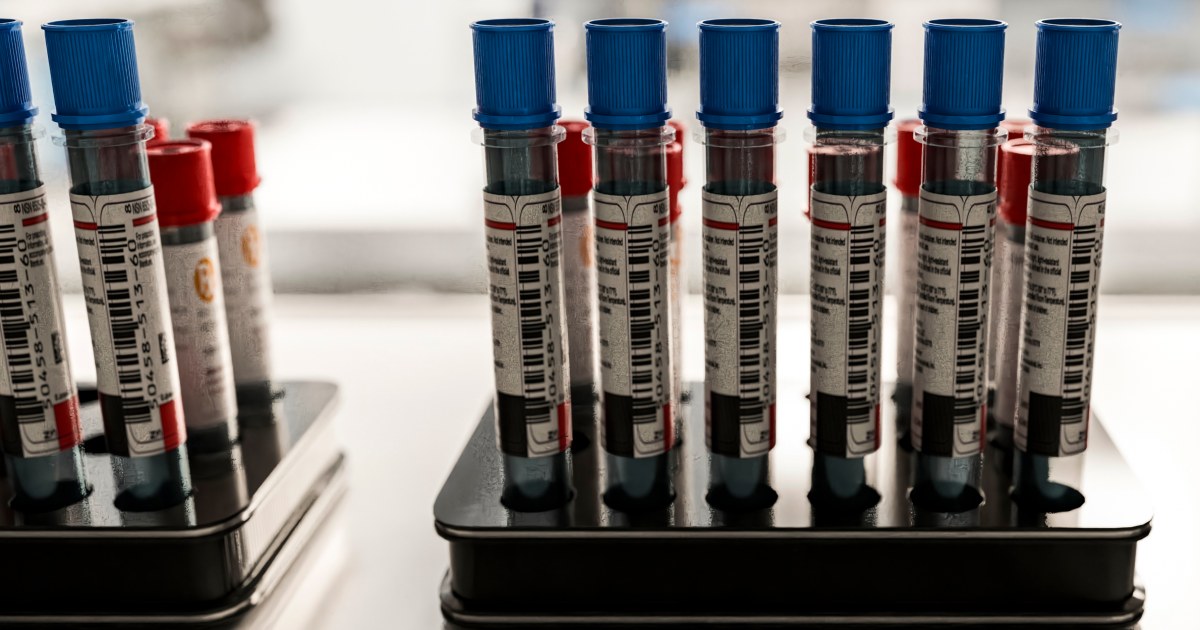
In the quiet hum of a London clinic, 62-year-old Margaret Holloway rolled up her sleeve for a routine blood draw last month. But this was no ordinary test. The vial of blood sent to the lab was part of a growing trend: a screening for early biomarkers of Alzheimer’s disease, long before symptoms like memory loss or confusion appear. “I’d rather know now than be blindsided later,” Holloway told World Today Journal. “If there’s something I can do to slow it down, I want that chance.”
Her sentiment is shared by a rising number of patients worldwide. Alzheimer’s blood tests—once a research tool confined to clinical trials—are now commercially available in several countries, including the U.S., the U.K., and parts of Europe. These tests measure proteins like amyloid-beta and tau, which accumulate in the brains of people with Alzheimer’s, often decades before cognitive decline becomes noticeable. The promise is tantalizing: a simple, affordable way to detect the disease at its earliest stages, when interventions might be most effective.
Yet despite the enthusiasm from patients and some advocacy groups, the medical community remains deeply divided. Leading neurologists, geriatricians, and public health experts warn that the tests are not yet ready for widespread leverage outside of research settings. Their concerns range from the accuracy of the results to the lack of proven treatments for early-stage Alzheimer’s—and the psychological toll of knowing one’s risk without clear next steps. As Dr. Maria Carrillo, chief science officer of the Alzheimer’s Association, put it in a recent statement: “We are on the cusp of a revolution in Alzheimer’s diagnostics, but we must proceed with caution. A test is only as good as the care that follows it.”
The Science Behind the Tests: How They Work and What They Reveal
Alzheimer’s disease is characterized by the buildup of two abnormal proteins in the brain: amyloid-beta, which forms plaques, and tau, which creates tangles inside neurons. For decades, the only way to definitively diagnose Alzheimer’s was through a post-mortem autopsy. Even today, the gold standard for living patients involves expensive and invasive procedures like PET scans or cerebrospinal fluid (CSF) analysis, which requires a lumbar puncture.
Blood tests represent a potential game-changer. The most advanced versions, such as those developed by companies like C2N Diagnostics and Quanterix, use ultra-sensitive techniques to detect minuscule amounts of amyloid-beta and tau in the bloodstream. A 2024 study published in JAMA Neurology found that one such test, the PrecivityAD2, could predict amyloid plaque buildup in the brain with over 90% accuracy, rivaling the performance of PET scans (JAMA Neurology, 2024).
But accuracy in a controlled study is not the same as real-world utility. Dr. Randall Bateman, a neurologist at Washington University School of Medicine and a pioneer in Alzheimer’s blood test research, cautioned in a 2025 interview with The Lancet Neurology that “these tests are not perfect. False positives and false negatives do occur, and we don’t yet fully understand what a ‘positive’ result means for someone who is otherwise healthy.” For example, some people with elevated amyloid levels never develop Alzheimer’s, while others with normal levels do—a phenomenon that has puzzled researchers for years.
Why Patients Are Demanding Access
For patients like Margaret Holloway, the appeal of blood tests is clear: knowledge is power. Alzheimer’s disease affects an estimated 55 million people worldwide, with nearly 10 million new cases diagnosed each year. The disease is the seventh leading cause of death globally, and its economic burden is staggering—projected to reach $2 trillion annually by 2030, according to the Alzheimer’s Disease International.
Many patients see blood tests as a way to take control of their health. “I have a family history of Alzheimer’s,” said James Whitmore, a 58-year-old accountant from Manchester who recently paid £300 out of pocket for a blood test at a private clinic. “If I know I’m at higher risk, I can start making lifestyle changes now—diet, exercise, cognitive training. Even if there’s no cure, I’d rather be prepared.”
Advocacy groups, including the Alzheimer’s Research UK, have also thrown their weight behind broader access to testing. In a 2025 survey of 2,000 adults over 50, the organization found that 72% would want to know their Alzheimer’s risk if a blood test were available, even if they had no symptoms. “People are tired of waiting for a diagnosis until it’s too late,” said Hilary Evans, the charity’s chief executive. “They want to plan for the future, whether that means financial decisions, clinical trials, or simply spending more time with loved ones.”
Yet the demand for testing has outpaced the medical community’s ability to provide it responsibly. In the U.S., for example, the Food and Drug Administration (FDA) has not yet approved any Alzheimer’s blood test for routine clinical use. The tests available through private labs are marketed as “laboratory-developed tests” (LDTs), which operate under less stringent regulatory oversight. This regulatory gray area has led to concerns about consistency, quality control, and the potential for misinterpretation of results.
Doctors’ Concerns: The Risks of Early Detection Without Clear Benefits
The hesitation among doctors stems from a fundamental question: What does a positive test result actually mean for a patient who is not yet showing symptoms? Alzheimer’s disease progresses slowly, often over decades, and there is currently no treatment that can stop or reverse its course. While drugs like lecanemab (sold as Leqembi) and donanemab have shown promise in slowing cognitive decline in people with early-stage Alzheimer’s, their benefits are modest, and they arrive with significant side effects, including brain swelling and bleeding.

Dr. Jason Karlawish, a geriatrician and co-director of the Penn Memory Center, has been a vocal critic of widespread blood test adoption. “We’re asking patients to confront a devastating diagnosis without offering them a meaningful intervention,” he told World Today Journal. “What are we supposed to share them? ‘You have a high risk of Alzheimer’s, but there’s nothing You can do about it’? That’s not medicine—that’s cruelty.”
Karlawish and other experts also worry about the psychological impact of early detection. A 2023 study in The BMJ found that people who received a positive amyloid PET scan result—even without symptoms—experienced higher rates of depression and anxiety in the following year (The BMJ, 2023). “The human brain is not wired to handle probabilistic information about a future it can’t control,” said Dr. Elissa Epel, a psychologist at the University of California, San Francisco, who studies the effects of stress on aging. “For some people, knowing their risk could be empowering. For others, it could lead to chronic stress, which we know accelerates cognitive decline.”
There are also practical concerns. Blood tests for Alzheimer’s are not covered by most insurance plans, leaving patients to pay hundreds or even thousands of dollars out of pocket. In the U.K., the National Health Service (NHS) has not yet adopted the tests, citing a lack of evidence that they improve patient outcomes. “We need to see more data on how these tests change clinical decision-making,” said Dr. Jonathan Schott, chief medical officer at Alzheimer’s Research UK. “Until then, we risk creating a two-tier system where only those who can afford it secure access.”
The Ethical Dilemma: Should Patients Have the Right to Know?
The debate over Alzheimer’s blood tests touches on a broader ethical question: Do patients have the right to information about their health, even if that information is uncertain or potentially harmful? This tension is not new in medicine. Similar debates have played out around genetic testing for conditions like Huntington’s disease and breast cancer, where early detection does not always translate to better outcomes.
In the case of Alzheimer’s, the stakes are particularly high. The disease is deeply stigmatized, and a diagnosis can affect everything from employment to insurance coverage. In the U.S., the Genetic Information Nondiscrimination Act (GINA) protects people from discrimination based on genetic test results, but it does not cover long-term care insurance or other financial products. “If you test positive for Alzheimer’s biomarkers, you could be denied coverage for a nursing home or face higher premiums,” said Dr. Jennifer Manly, a neuropsychologist at Columbia University. “That’s a real risk people need to consider.”
Some bioethicists argue that the medical community’s caution is paternalistic. “Patients are not children,” said Dr. Ezekiel Emanuel, vice provost for global initiatives at the University of Pennsylvania. “They have the right to make informed decisions about their own health, even if those decisions are difficult. The role of doctors should be to provide guidance, not gatekeep information.”
Yet others counter that doctors have a responsibility to protect patients from harm. “Medicine is not just about giving people what they want—it’s about doing what’s best for them,” said Dr. Karlawish. “If a test doesn’t improve health outcomes, why are we offering it?”
What’s Next? The Future of Alzheimer’s Blood Tests
Despite the controversies, the momentum behind Alzheimer’s blood tests is unlikely to slow. Several large-scale studies are underway to evaluate their real-world impact, including a $50 million trial funded by the National Institutes of Health (NIH) that will track 10,000 participants over five years. The results, expected in 2028, could provide the evidence needed to integrate the tests into standard clinical practice.
In the meantime, some experts are calling for a middle ground: offering blood tests only to people with a family history of Alzheimer’s or other risk factors, and coupling them with comprehensive counseling. “We need to move away from the idea that these tests are a simple yes-or-no answer,” said Dr. Reisa Sperling, director of the Center for Alzheimer Research and Treatment at Massachusetts General Hospital. “They should be part of a broader conversation about brain health, lifestyle changes, and clinical trial opportunities.”
For patients like Margaret Holloway, the wait for clearer answers is frustrating. “I understand the doctors’ concerns, but this is my life,” she said. “I’d rather have the information and make my own choices than live in the dark.” As the debate continues, one thing is clear: the demand for Alzheimer’s blood tests is not going away. The question is whether the medical community—and society at large—is ready to handle the consequences.
Key Takeaways
- How the tests work: Alzheimer’s blood tests detect proteins like amyloid-beta and tau, which are linked to the disease. Some tests boast over 90% accuracy in predicting brain plaque buildup, but false positives and negatives remain a concern.
- Patient demand: A majority of adults over 50 say they would want to know their Alzheimer’s risk, even without symptoms. Many see the tests as a way to plan for the future, make lifestyle changes, or participate in clinical trials.
- Doctors’ concerns: Medical professionals worry about the psychological impact of early detection, the lack of effective treatments, and the potential for misinterpretation of results. Some argue that offering the tests without clear benefits could do more harm than good.
- Ethical questions: The debate centers on whether patients have the right to know their risk, even if the information is uncertain or could lead to discrimination in insurance or employment.
- Regulatory landscape: Alzheimer’s blood tests are not yet approved for routine clinical use in most countries. In the U.S., they are available as “laboratory-developed tests,” which operate under less stringent oversight.
- What’s next: Large-scale studies are underway to evaluate the real-world impact of the tests. Results could shape future guidelines on their use in clinical practice.
FAQ
Are Alzheimer’s blood tests available to the public?
Yes, but access varies by country. In the U.S., some private labs offer the tests as “laboratory-developed tests,” which are not FDA-approved for routine clinical use. In the U.K., the NHS has not yet adopted them, but they are available through private clinics.

How accurate are these tests?
The most advanced tests can predict amyloid plaque buildup in the brain with over 90% accuracy, according to a 2024 study in JAMA Neurology. However, accuracy in real-world settings may differ, and false positives and negatives can occur.
What happens if I test positive?
A positive result indicates a higher risk of developing Alzheimer’s, but it does not guarantee that you will develop the disease. There is currently no cure, but lifestyle changes (e.g., diet, exercise, cognitive training) and clinical trials may offer some benefits. Counseling is recommended to help interpret the results.
Are the tests covered by insurance?
Most insurance plans, including Medicare in the U.S. And the NHS in the U.K., do not cover Alzheimer’s blood tests. Patients typically pay out of pocket, with costs ranging from a few hundred to several thousand dollars.
Should I get tested if I have no symptoms?
This is a personal decision that should be made in consultation with a healthcare provider. Experts recommend weighing the potential benefits (e.g., early planning, lifestyle changes) against the risks (e.g., psychological distress, lack of effective treatments).
What are the alternatives to blood tests?
The current gold standard for diagnosing Alzheimer’s involves PET scans or cerebrospinal fluid (CSF) analysis, which are more invasive and expensive. Cognitive assessments and medical history reviews are also commonly used.
As research continues, the conversation around Alzheimer’s blood tests will evolve. For now, patients and doctors alike are navigating a complex landscape—one where the desire for early detection clashes with the realities of medical uncertainty. The next official update on the NIH’s large-scale trial is expected in late 2026, which may provide further clarity on the role these tests should play in clinical practice.
Have you or a loved one considered an Alzheimer’s blood test? Share your thoughts in the comments below, and don’t forget to subscribe to World Today Journal for the latest updates on this developing story.