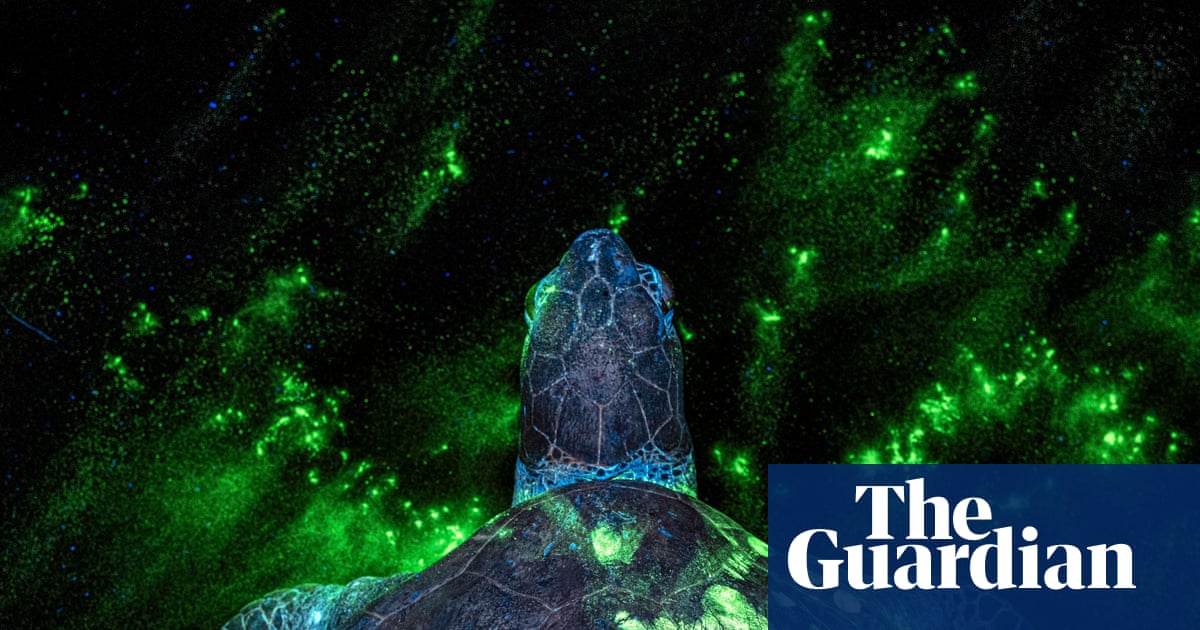
The annual Earth Photo awards have announced their latest winners, showcasing a global collection of images that document the intersection of human activity and the natural world. From the innovative technological interventions used to protect sea turtles from illegal traffickers to the stark realities of displaced workers and distressed wildlife, the winning photographs provide a visual record of environmental challenges and conservation efforts across the globe. Organized by Forestry England and the Royal Geographical Society, the competition aims to use the power of photography to highlight the beauty and fragility of our planet.
The competition, which is held in partnership with the Centre for Sustainable Development and the photographic community, serves as a platform for both professional and amateur photographers to contribute to the global conversation on climate change and biodiversity. According to the official Earth Photo competition portal, the 2024 entries were evaluated by a panel of experts who focused on the narrative strength of the images and their ability to raise awareness about environmental issues. The winning works will be featured in a touring exhibition, providing public access to these visual stories.
Human Impact and Wildlife Conservation
A recurring theme in this year’s award-winning collection is the direct impact of human presence on animal habitats. One striking entry features the plight of stranded seals, capturing the physical and environmental strain on marine populations. These images often serve as a catalyst for public engagement, highlighting the work of organizations like the British Trust for Ornithology and other conservation groups that monitor species health. By focusing on individual animals, the photographers translate complex biological data into accessible, emotional narratives that resonate with global audiences.
Beyond wildlife, the awards also spotlight the human cost of environmental change. Several winning images focus on displaced workers whose livelihoods have been disrupted by shifting climates or industrial expansion. These photographs illustrate the systemic nature of environmental issues, showing how the health of ecosystems is inextricably linked to the stability of human communities. The judges prioritized images that capture these nuances, moving away from purely aesthetic nature photography to more journalistic, impact-focused documentation.
Technology in the Fight Against Trafficking
Innovation in conservation was a major focus for the jury this year. Among the most notable entries were images documenting the use of scientific and technological interventions to prevent the illegal trade of marine species. For instance, researchers are increasingly utilizing advanced tracking and marking systems to monitor turtle populations, creating a “handprint” of sorts that allows authorities to identify and intercept traffickers. These efforts are part of a broader international push to enforce the Convention on International Trade in Endangered Species of Wild Fauna and Flora (CITES), which regulates the movement of protected species across borders.
The images documenting these conservation tactics provide a rare look into the front lines of wildlife protection. By visualizing the “poacher’s handprint”—the subtle signs of interference that conservationists look for—these photographers are helping to demystify complex enforcement operations. According to reports from environmental monitoring agencies, such visual documentation is essential for maintaining public support for anti-poaching initiatives and securing the funding necessary for field research and patrol efforts.
The Role of Visual Storytelling in Advocacy
As an editor who has covered the intersection of culture and environment for over 15 years, I have seen how photography acts as a bridge between scientific research and public policy. The Earth Photo awards are particularly effective because they do not shy away from the difficult realities of our changing world. Instead, they present these challenges alongside moments of resilience and successful intervention. This balance is critical for preventing “climate fatigue” among the public, ensuring that viewers remain engaged with the issues rather than feeling overwhelmed by them.
The exhibition of these works is scheduled to travel to various venues throughout the coming year, providing opportunities for educational programs and community discussions. For those interested in tracking the impact of these images, the Royal Geographical Society provides regular updates on the exhibition schedule and the conservation projects supported by the competition. By documenting these events, the Earth Photo awards continue to play a vital role in the global effort to foster a more sustainable relationship with the natural environment.
The next official updates regarding the 2025 competition cycle and the final dates for the current touring exhibition are expected to be posted on the organizers’ websites in early 2025. Readers are encouraged to visit the official sites for the most accurate information on how to view the exhibition or submit work for future editions. We welcome your thoughts on how visual media influences environmental policy—please share your perspectives in the comments section below.
Related reading