
Recreating authentic Asian cuisine at home often relies on mastering a few essential flavor profiles rather than sourcing obscure ingredients. By utilizing staple spices and herbs, home cooks can replicate the aromatic foundations of popular regional dishes, effectively bridging the gap between restaurant-quality meals and accessible kitchen preparation. According to culinary experts, the key to achieving these distinct profiles lies in the strategic combination of pungent aromatics and dried spices that define the regional identities of Southeast and East Asian cooking.
For those looking to elevate their home cooking, understanding the role of foundational aromatics is the first step toward culinary success. Whether it is the balance of heat and citrus in Thai cuisine or the savory depth of Chinese stir-fries, the consistent use of ginger, garlic, chili, and fresh herbs like cilantro and Thai basil remains a universal constant. Research from the Academy of Nutrition and Dietetics emphasizes that integrating traditional herbs not only enhances flavor but also provides a nutrient-dense alternative to processed sauces, which often contain high levels of sodium.
The Essential Pantry for Asian-Inspired Cooking
Building an Asian-inspired pantry does not require an exhaustive list of specialty items. Instead, the focus should be on high-impact ingredients that serve as the backbone for various dishes. Essential items typically include soy sauce, oyster sauce (or a vegetarian mushroom-based alternative), sesame oil, and rice vinegar. These staples provide the foundational salt, umami, and acidity required for most regional recipes.

When it comes to dry spices, keeping star anise, Sichuan peppercorns, and turmeric on hand allows for significant culinary flexibility. As noted by the Food and Agriculture Organization of the United Nations, the global trade and usage of these specific spices have historically shaped the flavor profiles of regional cuisines, facilitating the preservation and seasoning of proteins and vegetables alike. Fresh aromatics—specifically ginger, garlic, and scallions—should be treated as perishable essentials, as their potency significantly diminishes when dried or processed.
Mastering Flavor Profiles Through Herb Combinations
The secret to “copying” popular Asian dishes often involves understanding the specific herb-to-spice ratios that define a dish’s character. For instance, the combination of lemongrass, galangal, and kaffir lime leaves is non-negotiable for a traditional Thai Tom Yum soup. Attempting to substitute these with lemon or lime juice often results in a flavor profile that lacks the necessary complexity and depth.
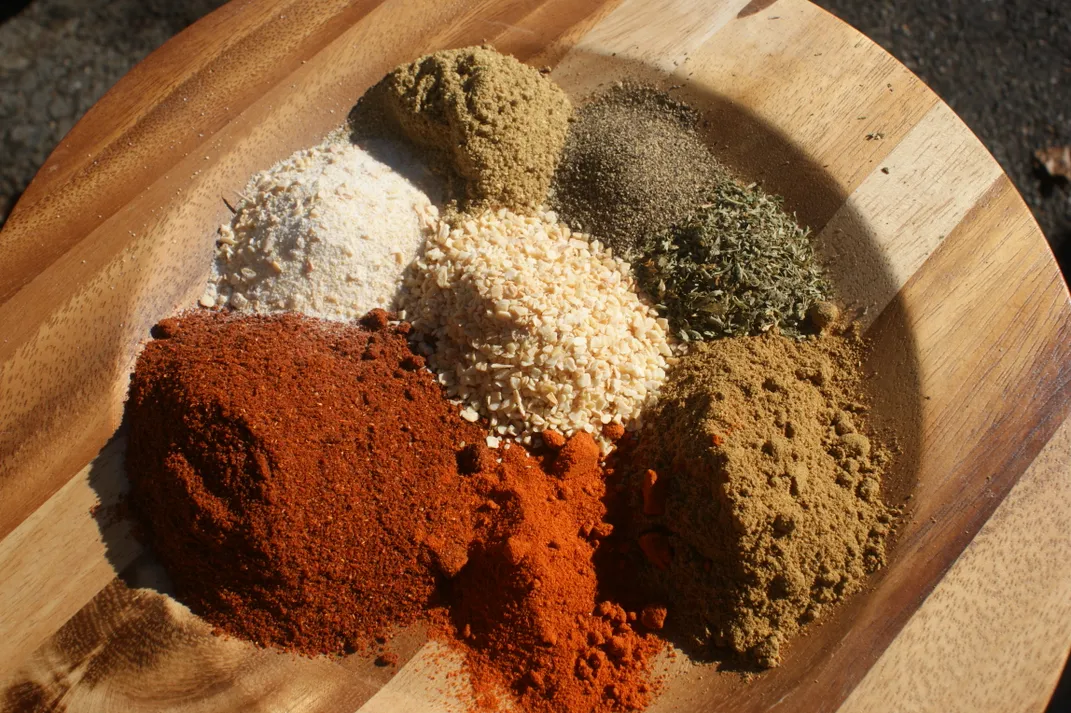
Similarly, in Vietnamese cooking, the heavy use of fresh mint, Thai basil, and cilantro is vital for balancing the richness of grilled meats or savory broths. Culinary historians at the Smithsonian Institution’s food history program have documented how these fresh components act as a palate cleanser, cutting through the fats and heavy seasonings common in street food traditions. To replicate these effects at home, it is recommended to add fresh herbs at the final stages of cooking to preserve their volatile oils and vibrant colors.
Techniques for Professional-Quality Results at Home
Beyond the ingredients, technique plays a pivotal role in achieving authentic results. The “wok hei” or “breath of the wok” effect, which imparts a smoky flavor to stir-fried dishes, is difficult to replicate on a standard home range. However, home cooks can approximate this by ensuring their pans are adequately preheated and by working in smaller batches to prevent the ingredients from steaming rather than searing. According to guidance provided by the Serious Eats culinary lab, high-heat cooking is essential for developing the Maillard reaction, which is responsible for the deep, savory flavors found in many Asian stir-fry and braised dishes.
Consistency is also improved by prepping all ingredients—chopping, measuring, and mixing sauces—before turning on the heat. This “mise en place” approach is standard in professional kitchens and is particularly important when working with high-heat Asian cooking methods where ingredients can transition from perfectly cooked to overdone in a matter of seconds.
Common Mistakes to Avoid
One of the most frequent errors in home-cooked Asian cuisine is the over-reliance on bottled pre-mixed sauces, which often mask the freshness of the primary ingredients. While convenient, these sauces frequently contain high concentrations of sugar and preservatives that can alter the intended balance of a dish. Experts suggest starting with a “blank canvas” of soy sauce, vinegar, and aromatics, then adjusting the sweetness and heat levels manually. This method offers greater control over the final flavor profile and allows the cook to tailor the dish to specific dietary needs or personal preferences.

Another common pitfall is the incorrect application of heat to delicate spices. For example, ground spices like turmeric or cumin can turn bitter if scorched in a dry pan. They should be added to the oil or fat at the beginning of the cooking process to “bloom,” which releases their essential oils and deepens the overall flavor profile of the dish.
For those interested in further developing their skills, the next step is to explore regional cookbooks that focus on specific provinces or cities, which often provide more nuanced insights than general “Asian cooking” guides. Engaging with culinary communities and sharing results can also provide motivation and troubleshooting help. We encourage readers to share their own experiences with these spice combinations in the comments section below.
Keep reading