Easy Chinese-style beef and rice dishes, often featured in viral social media tutorials, rely on fundamental culinary techniques that prioritize texture and flavor balance. While many home cooks perceive Chinese cuisine as overly complex, the preparation of beef with rice typically involves simple stir-frying methods and pantry staples that are accessible in most kitchens worldwide. Understanding these core techniques allows for a consistent result that mirrors traditional preparation styles.
The core of this cooking style is the “velveting” technique, a process widely recognized in culinary literature as essential for achieving tender beef in stir-fries. According to the Serious Eats culinary guide, this method involves marinating thinly sliced beef in a mixture of cornstarch, soy sauce, and occasionally egg white or rice wine before cooking. This protective coating prevents the meat from toughening under high heat, a common challenge for those new to wok-based cooking.
Beyond the meat preparation, the selection of rice is a significant factor in the final dish’s quality. Culinary experts often recommend using day-old, chilled long-grain rice for stir-frying. As noted by Fine Dining Lovers, using cold, slightly dried rice prevents the grains from becoming mushy or clumping together during the intense heat of the stir-fry process, ensuring each grain remains distinct and coated in the savory sauce.
Essential Ingredients for Chinese-Style Beef and Rice
Achieving authentic flavors requires a balance of salty, savory, and aromatic components. The foundational sauce for beef stir-fry typically includes a combination of soy sauce, oyster sauce, and a small amount of sugar or aromatics like ginger and garlic. These ingredients are standard in Chinese households, as documented by the China Highlights culinary overview, which outlines the eight major regional cuisines and their shared reliance on these primary seasonings.
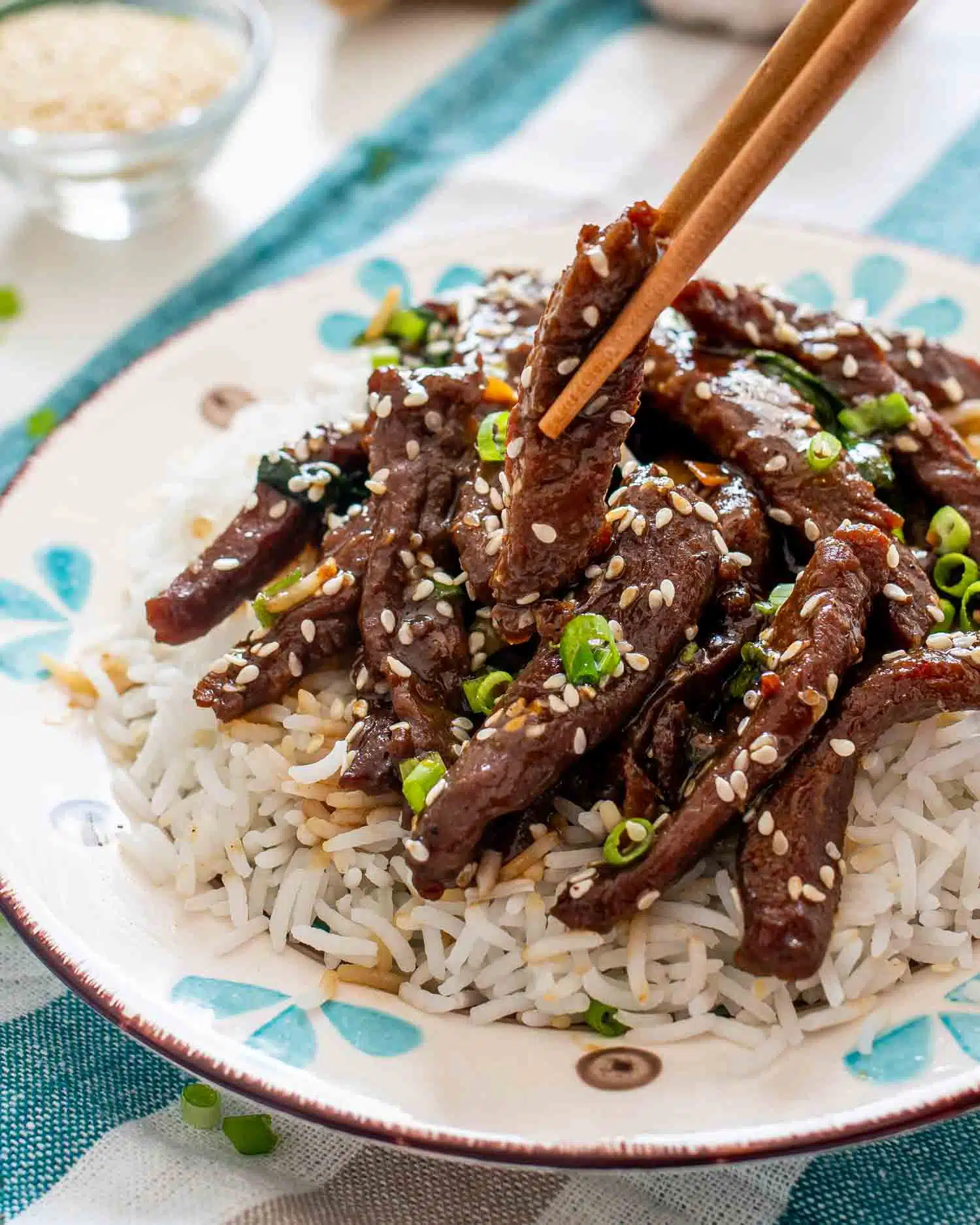
When selecting beef, cuts such as flank steak or sirloin are preferred due to their grain structure and ability to absorb marinades. Slicing the meat against the grain is a critical step, as it shortens the muscle fibers and ensures a more tender bite. This technique is a standard recommendation across professional kitchens to improve the dining experience of lean cuts of beef.
Mastering the Stir-Fry Technique
The stir-fry method relies on speed and high heat. Professional chefs emphasize the importance of “mise en place”—having all ingredients chopped, measured, and ready before the heat is turned on. Because the cooking time for thinly sliced beef is often measured in seconds rather than minutes, the ability to transition quickly from searing the beef to combining it with vegetables and rice is vital for maintaining the integrity of each ingredient.
For those looking to refine their skills, many culinary institutions and government food safety agencies provide resources on proper handling and heat management. The USDA Food Safety and Inspection Service offers guidelines on the safe internal temperatures for cooking beef, ensuring that while the stir-fry method is fast, it remains within safe consumption parameters.
As home cooking trends continue to evolve, platforms that showcase these techniques remain popular for their ability to demystify traditional processes. By focusing on the scientific principles of velveting and moisture control, home cooks can replicate restaurant-style beef and rice dishes with greater consistency. Readers are encouraged to experiment with these foundational steps and share their experiences in the comments section below.
Related reading