
Low-sugar cooking techniques, particularly when applied to traditional Korean stir-fried pork dishes known as jeyuk bokkeum, have gained traction among home cooks seeking to balance flavor with glycemic management. While traditional recipes often rely on refined sugars or high-fructose corn syrups for the signature glaze, modern culinary adjustments utilize sugar alcohols like allulose to achieve similar viscosity and sweetness without the associated glucose spike. According to the Diabetes UK guidelines on sugar substitutes, replacing traditional sweeteners with non-nutritive or low-calorie alternatives is a common strategy for those managing insulin sensitivity.
The appeal of the “daebak-jip” (a colloquial term for a highly successful or popular restaurant) style of jeyuk bokkeum lies in the balance of heat, aromatics, and a caramelized finish. Achieving this at home requires a focus on the Maillard reaction—the chemical process that occurs when proteins and sugars brown—rather than simply relying on heavy sauces. Culinary experts emphasize that the base of the dish, typically pork shoulder or belly, must be seared at high temperatures to develop flavor before the introduction of liquid seasonings.
The Science of Low-Sugar Marinades
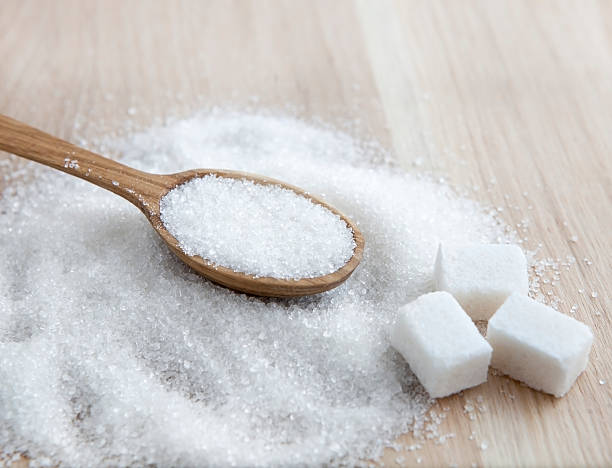
A standard low-sugar approach replaces conventional corn syrup or white sugar with allulose, a rare sugar that provides approximately 70% of the sweetness of sucrose but with significantly fewer calories and a minimal impact on blood glucose levels. Research published by the National Center for Biotechnology Information indicates that allulose does not elicit the same insulin response as traditional sweeteners, making it a functional choice for heat-stable cooking. When combined with aromatics such as minced garlic and chili flakes, allulose allows for the reduction of the sauce without the risk of burning that often accompanies high-sugar mixtures.
The following preparation method is commonly cited by home cooking enthusiasts to replicate restaurant-grade textures:
- Protein: Thinly sliced pork shoulder or belly, which offers an optimal fat-to-meat ratio for stir-frying.
- Aromatics: Minced garlic and black pepper to provide the foundational savory notes.
- Heat: High-quality chili flakes (gochugaru) to provide color and spice without added sugars found in some pre-mixed chili pastes.
- Sweetener: Allulose, used in a 4:1 ratio relative to the chili flakes to ensure a balanced finish.
- Acidity: A splash of apple cider vinegar, which acts as a tenderizer for the pork and helps brighten the flavor profile.
Technical Considerations for Home Preparation
The quality of the cooking vessel significantly impacts the final result. In professional kitchens, high-heat carbon steel or seasoned cast-iron pans are preferred for their ability to maintain consistent temperatures, which is essential for searing meat without steaming it. Home cooks focusing on “daebak-jip” recipes often highlight the importance of not overcrowding the pan; adding too much meat at once lowers the surface temperature, resulting in boiled rather than seared pork. According to the Serious Eats culinary research team, maintaining a hot, dry surface is the primary factor in achieving the desired crust on pork.
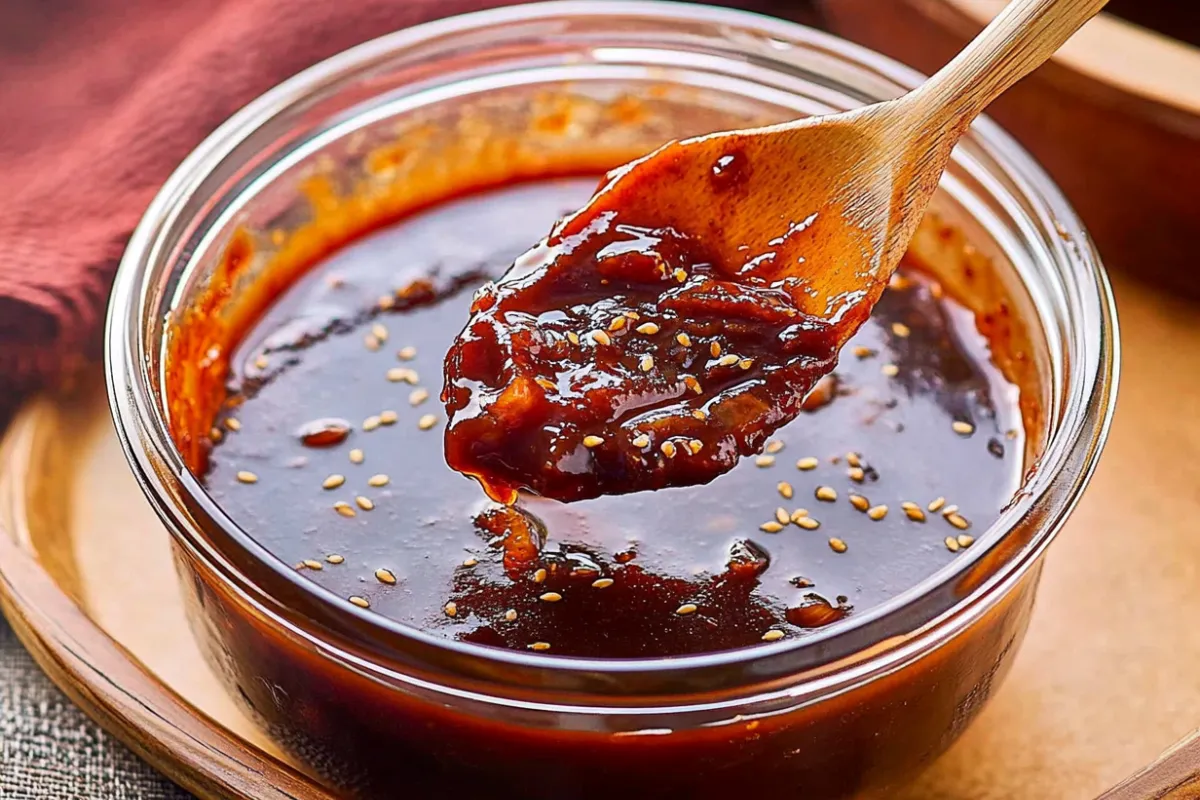
To finalize the dish, the addition of toasted sesame oil and sesame seeds is standard. These ingredients provide aroma and a nutty finish that distracts from the absence of traditional, sugar-heavy glazes. The use of a small amount of soju (a clear, neutral Korean spirit) serves as a deglazing agent, lifting the fond—the browned bits stuck to the bottom of the pan—and incorporating that depth into the final sauce.
Managing Dietary Goals and Culinary Quality
For individuals monitoring their dietary intake, the transition to low-sugar cooking does not necessarily mean a loss of authenticity. The key is in the preparation of the marinade. By reducing the reliance on high-glycemic index ingredients and focusing on fresh aromatics, home cooks can replicate the complex flavor profiles found in popular eateries. The World Health Organization continues to recommend reducing free sugar intake as part of a healthy diet, noting that small, sustainable changes in cooking habits can be effective for long-term health management.
As home cooking trends continue to evolve toward health-conscious alternatives, the integration of science-backed ingredients like allulose has become a staple in many kitchens. Readers looking to refine their technique should focus on the quality of their heat source and the balance of their marinade components. For further updates on nutritional guidelines or culinary techniques, official resources from organizations such as the USDA Nutrition.gov provide evidence-based information for maintaining a balanced diet while exploring global cuisines.
This article provides an overview of current low-sugar culinary practices. We encourage readers to share their own experiences with ingredient substitutions in the comments below.
Worth a look