Plant-Based Proteins and Blood Pressure: How Beans, Lentils, and Soy Could Cut Hypertension Risk by Nearly 30%
Nearly half of all adults in the United States live with high blood pressure, a condition that significantly raises the risk of heart attacks, strokes, and other cardiovascular diseases. While diet has long been recognized as a critical factor in managing hypertension, new research offers compelling evidence that specific types of plant-based proteins—particularly beans, lentils, and soy—may play an unexpectedly powerful role in lowering risk. A large-scale analysis published in the Journal of the American Heart Association suggests that incorporating these foods into regular meal plans could reduce hypertension risk by nearly 30%—a finding that aligns with broader trends in nutritional epidemiology.
The study, which followed more than 2,200 participants over nearly a decade, found that those consuming the highest amounts of minimally processed plant proteins were 24% less likely to develop high blood pressure compared to those with the lowest intake. When researchers isolated specific food groups, they discovered an even more striking association: individuals who regularly ate soy-based foods showed a 19% lower risk of hypertension, while those who consumed legumes like beans and lentils had a 16% reduction in risk. These results build on prior research highlighting the benefits of plant-based diets, but they offer new precision about which proteins matter most.
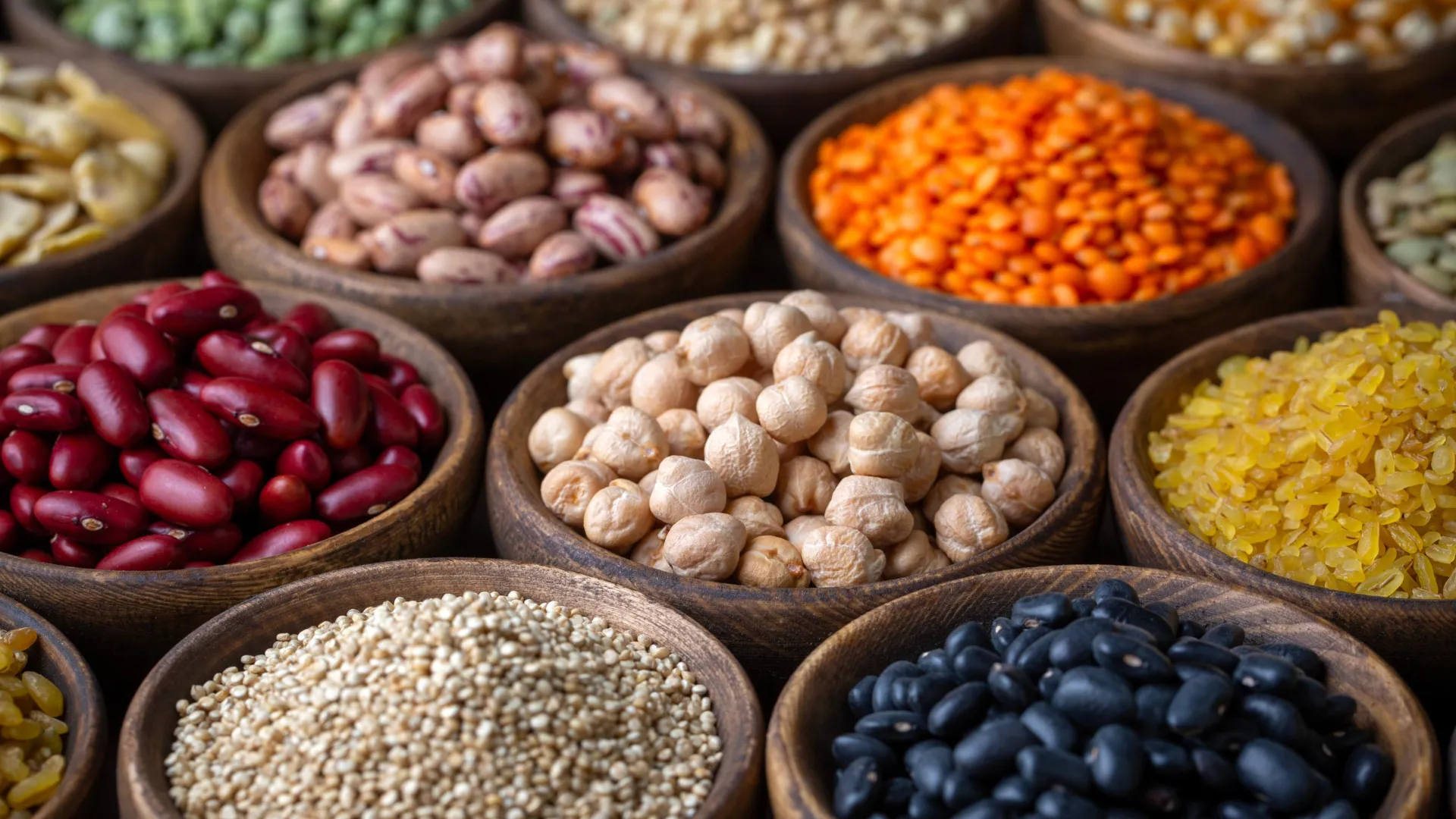
For readers seeking practical ways to integrate these findings into daily life, the American Heart Association emphasizes that the benefits extend beyond just avoiding animal proteins. “The key is diversity and moderation,” explains Dr. Marcia Otto, a nutritional epidemiologist and associate professor at UT Health Houston School of Public Health, who led the study. “Our findings focused on whole foods—not supplements—so we’re talking about beans, lentils, chickpeas, tofu, and edamame as part of a balanced diet.” The association’s guidelines further support this, noting that plant-based proteins are naturally high in fiber and minerals while lacking the saturated fats found in many animal-based proteins.
Graphic: The relationship between plant protein intake and hypertension risk over an 18-year period (Journal of the American Heart Association, 2025).
Why Plant Proteins Stand Out in Blood Pressure Management
Hypertension develops through a complex interplay of genetics, lifestyle, and diet, with sodium intake and saturated fats often cited as primary culprits. However, the new research suggests that the type of protein consumed may also influence blood pressure regulation. Plant proteins, particularly those from legumes and soy, contain unique compounds that appear to support vascular health:
- High fiber content: Soluble fiber in beans and lentils helps lower LDL cholesterol and promotes healthy gut bacteria, which may indirectly reduce inflammation—a known contributor to hypertension.
- Rich in potassium and magnesium: These minerals help regulate fluid balance and relax blood vessel walls, counteracting the effects of excess sodium.
- Low in saturated fat: Unlike many animal proteins, plant-based options contain little to no saturated fat, which has been linked to arterial stiffness and elevated blood pressure.
- Bioactive compounds: Soy foods, in particular, contain isoflavones, which have been studied for their potential to improve endothelial function—the health of the inner lining of blood vessels.
The study’s lead author, Dr. Otto, clarifies that these benefits are most pronounced when plant proteins replace processed animal proteins—not necessarily all animal proteins. “We saw no significant difference in risk when participants included minimally processed animal proteins like chicken or fish in their weekly meals,” she notes. “The advantage appears to come from the combination of fiber, minerals, and the absence of saturated fats in plant sources.”
Key Insight: The study’s findings do not advocate for eliminating animal proteins entirely but rather suggest a shift toward diversified protein sources, with plant-based options comprising at least 25% of total protein intake—a target that aligns with the Mediterranean and DASH diets, both of which have been proven to lower blood pressure.
From Research to Your Plate: Practical Steps to Lower Hypertension Risk
Incorporating more plant-based proteins into meals doesn’t require drastic changes, especially for those already accustomed to Mediterranean or plant-forward diets. The American Heart Association offers these simple strategies:
- Start with staples: Swap red meat for lentils in soups, black beans in tacos, or chickpeas in salads. Aim for at least three servings of legumes per week.
- Explore soy versatility: Tofu, tempeh, and edamame can replace ground meat in stir-fries, burgers, or pasta dishes. The association recommends choosing unsweetened soy products to avoid added sugars.
- Boost snacks and sides: Hummus with veggie sticks, roasted chickpeas, or a handful of edamame make easy, protein-rich additions to any meal.
- Watch processing: Opt for dried or no-salt-added canned beans to minimize sodium intake, a critical factor in blood pressure control.
For those new to plant-based cooking, Dr. Otto recommends gradual substitution: “Begin by replacing one animal protein serving per day with a plant alternative, such as swapping beef for lentils in chili or using tofu instead of chicken in stir-fries. Over time, you’ll naturally increase your intake while reducing saturated fats.”
Key Takeaways
- Legumes and soy are associated with a 16–19% lower risk of developing hypertension, according to the largest study to date (Journal of the American Heart Association, 2025).
- Benefits stem from fiber, potassium, magnesium, and the absence of saturated fats, not just protein content alone.
- Minimally processed plant proteins (beans, lentils, tofu, edamame) offer the greatest advantages over supplements or highly processed alternatives.
- No need to eliminate animal proteins entirely—diversifying sources (e.g., chicken + lentils) appears most effective.
- Simple swaps (e.g., beans for meat, tofu for ground beef) can significantly boost plant protein intake with minimal effort.
Addressing Common Concerns: Soy, Phytates, and Digestibility
Despite the promising findings, some readers may have questions about specific plant proteins, particularly soy. Addressing these concerns upfront can help clarify how to safely incorporate these foods:

- Soy and hormones: While soy contains phytoestrogens, research from the National Institutes of Health confirms these compounds do not disrupt human hormone function in healthy individuals. The NIH’s Office of Dietary Supplements states that moderate soy consumption is safe and may even offer cardiovascular benefits.
- Phytic acid and mineral absorption: Soaking, sprouting, or fermenting beans and lentils reduces phytic acid levels, improving mineral absorption. Simple methods like overnight soaking in water or vinegar can make a noticeable difference.
- Digestive comfort: Gradual introduction of fiber-rich foods helps the digestive system adapt. Starting with small portions (e.g., ½ cup cooked lentils) and increasing slowly minimizes discomfort.
For those with specific dietary restrictions (e.g., kidney disease or soy allergies), consulting a registered dietitian is advisable. However, the study’s authors emphasize that these findings apply broadly to the general population seeking to lower hypertension risk through diet.
Broader Implications: Public Health and Policy
The study’s publication coincides with growing global interest in plant-based diets as a tool for chronic disease prevention. In the U.S., where hypertension affects nearly 47% of adults over 30 (CDC, 2024), these findings could inform public health guidelines. The World Health Organization’s recent Diet, Nutrition, and the Prevention of Chronic Diseases report similarly highlights plant proteins as a cornerstone of sustainable, health-promoting diets.
Policymakers and healthcare providers may use this research to:
- Expand food assistance programs to include legumes and soy as staples, particularly in communities with high hypertension rates.
- Develop targeted nutrition education campaigns emphasizing plant proteins as a low-cost, accessible strategy for blood pressure management.
- Integrate these findings into clinical guidelines for hypertension prevention, alongside established recommendations like sodium reduction and exercise.
Dr. Otto anticipates that future research will explore whether these benefits extend to other chronic conditions, such as type 2 diabetes or certain cancers. “The data is compelling enough to encourage broader adoption,” she says, “but we’ll need long-term studies to understand the full spectrum of health impacts.”
What’s Next: Monitoring and Further Research
The study’s authors are currently analyzing data from additional cohorts to confirm these results in diverse populations. Meanwhile, readers can stay informed by tracking updates from:
- The American Heart Association’s nutrition guidelines.
- The National Institutes of Health’s dietary research.
- Ongoing studies like the Multi-Ethnic Study of Atherosclerosis, which continues to follow participants for long-term health outcomes.
The next major checkpoint for this research will be the 2027 American Heart Association Scientific Sessions, where preliminary findings from follow-up studies are expected to be presented. Until then, the most actionable advice remains consistent: prioritize whole, minimally processed plant proteins as part of a balanced diet rich in fruits, vegetables, and whole grains.
Your Turn: Have you incorporated more plant-based proteins into your diet? Share your favorite recipes or challenges in the comments below. For those looking to start, we’d love to hear what substitutions you’ve tried—and what worked best!
Tag @WorldTodayJrnl with your plant-protein meals using #HeartHealthyEats for a chance to be featured in our next nutrition series.
Dr. Helena Fischer is a physician and health journalist with an MD from Charité – Universitätsmedizin Berlin. Her work focuses on translating medical research into actionable public health strategies. Follow her insights on Twitter or LinkedIn.
- How the Corona Pandemic Fueled the Fintech Boom: The Rise of Payment Giants like Adyen
- Cleveland Clinic Announces Main Campus Master Plan and Fairview Hospital Expansion
- American Red Cross Declares National Blood Crisis Amid Summer Shortage (news-usa.today)
- Consistency: The Real Secret to Becoming a Champion (archyde.com)