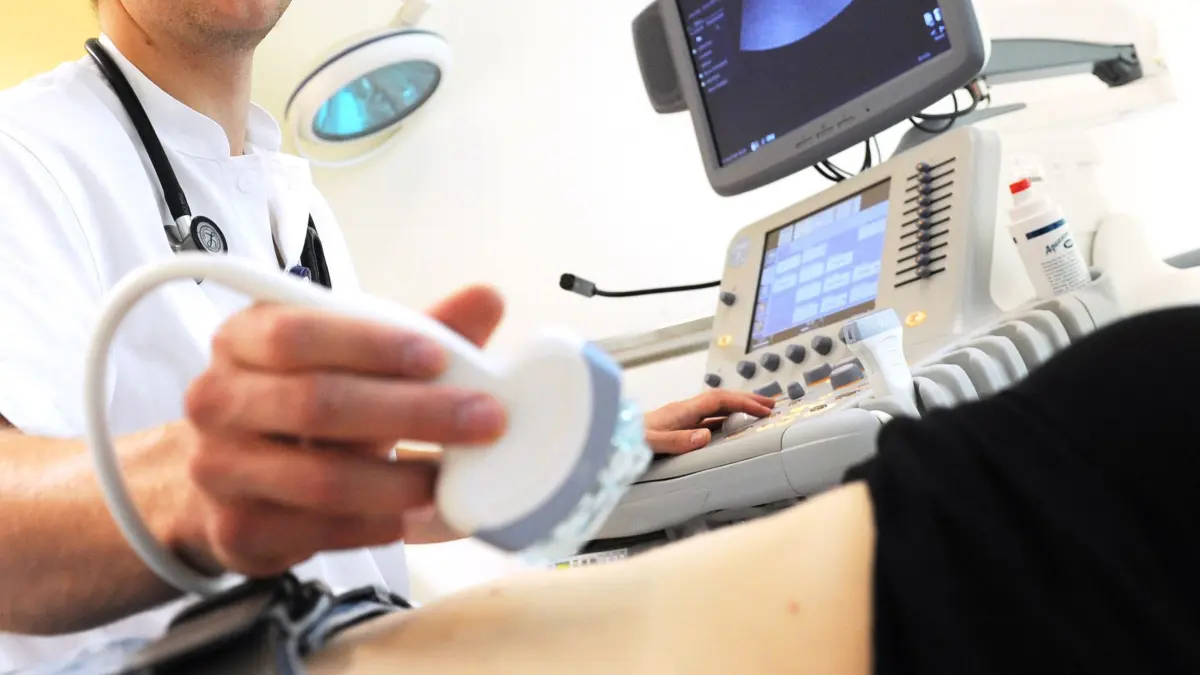
Eberswalde, Germany – A planned municipal medical center (MVZ) in Eberswalde has fallen through, sparking a debate over the future of healthcare provision in the city. The collapse of the MVZ project has prompted calls from the CDU/FDP/Bürgerfraktion Barnim (CDU/FDP/BFB) for the mayor to prioritize the development of a comprehensive healthcare network to ensure adequate medical care for residents. The situation highlights the ongoing challenges faced by many German communities in maintaining accessible and affordable healthcare services, particularly in rural and underserved areas.
The initial plan for a municipal medical center aimed to address growing concerns about physician shortages and limited access to specialized care in Eberswalde and the surrounding Barnim district. However, the project encountered significant hurdles, ultimately leading to its abandonment. Details surrounding the exact reasons for the failure remain somewhat opaque, but appear to center on difficulties in attracting qualified medical professionals and securing sustainable funding. This setback has intensified existing anxieties about the long-term viability of healthcare services in the region.
The Failed MVZ and the Search for Alternatives
The concept of a municipal medical center, or MVZ, is a common approach in Germany to address healthcare gaps. MVZs are typically publicly owned or operated facilities that employ physicians directly, offering a range of medical services to the local population. They are often seen as a way to ensure healthcare access in areas where private practices are unwilling or unable to establish themselves. However, establishing and maintaining a successful MVZ requires careful planning, adequate funding, and a robust recruitment strategy.
According to the CDU/FDP/BFB, the failure of the Eberswalde MVZ underscores the need for a more proactive and comprehensive approach to healthcare planning. The group has formally requested that the mayor take immediate steps to develop a “Versorgungsnetzwerk” – a healthcare network – that would coordinate existing medical resources and identify areas where additional services are needed. This network could involve collaboration between hospitals, private practices, and other healthcare providers to ensure a seamless and integrated system of care.
Political Responses and Calls for Action
The CDU/FDP/BFB’s call for a healthcare network has been met with mixed reactions from other political factions in Eberswalde. The Stadtverordnetenversammlung (City Council) currently consists of the following factions: Alternative für Deutschland (AfD) with 9 seats, CDU / FDP / Bürgerfraktion Barnim with 7 seats, SPD|BfE with 7 seats, Bündnis Eberswalde with 4 seats, Die Linke with 4 seats, Bündnis90/Die Grünen with 3 seats, and Die PARTEI Alternative für Umwelt und Natur with 2 seats. The current mayor is Götz Herrmann.
Uwe Grohs, the Fraktionsvorsitzender (faction chairman) of the CDU / FDP / Bürgerfraktion Barnim, emphasized the urgency of the situation. He stated that the mayor must actively engage with the GLG (Gesundheitsregion Barnim – Barnim Health Region) and other stakeholders to develop a viable plan for improving healthcare access in Eberswalde. The GLG is a regional health network that aims to coordinate healthcare services and promote health initiatives in the Barnim district. The CDU/FDP/BFB believes that leveraging the GLG’s expertise and resources is crucial to overcoming the challenges posed by the failed MVZ project.
The FDP Eberswalde also expressed its commitment to addressing healthcare concerns. The party’s website highlights its dedication to representing the interests of citizens and providing a platform for their concerns. The FDP encourages residents to share their feedback and suggestions regarding healthcare services in Eberswalde.
The Barnim Health Region and Regional Healthcare Challenges
The Gesundheitsregion Barnim (GLG) plays a vital role in coordinating healthcare efforts across the district. The GLG’s mission is to improve the health and well-being of the population by fostering collaboration between healthcare providers, promoting preventative care, and addressing health inequalities. The organization works with a wide range of stakeholders, including hospitals, physicians, nursing homes, and community organizations.
Barnim, like many rural areas in Germany, faces a number of healthcare challenges. These include an aging population, a shortage of physicians, particularly in specialized fields, and limited access to public transportation, which can produce it difficult for residents to reach medical facilities. The closure of smaller hospitals and the consolidation of healthcare services have also contributed to concerns about access to care. The German healthcare system, whereas generally considered high-quality, is facing increasing pressure from demographic shifts and economic constraints.
The Role of the Stadtverordnetenversammlung
The Stadtverordnetenversammlung, Eberswalde’s city council, holds significant power in shaping local healthcare policy. With 37 members representing various political factions, the council is responsible for approving budgets, enacting ordinances, and overseeing the implementation of healthcare initiatives. The composition of the council, with the AfD holding the largest number of seats (9), reflects the diverse political landscape of Eberswalde. The current Vorsitzender (Chairman) of the Stadtverordnetenversammlung is Martin Hoeck.
The debate over the future of healthcare in Eberswalde is likely to be a central issue in upcoming city council meetings. The CDU/FDP/BFB’s proposal for a healthcare network will need to be carefully considered and debated by all factions. The outcome of this debate will have a significant impact on the quality and accessibility of healthcare services for residents of Eberswalde and the surrounding Barnim district.
Key Takeaways
- The planned municipal medical center (MVZ) in Eberswalde has been abandoned due to challenges in attracting physicians and securing funding.
- The CDU/FDP/BFB is calling for the development of a comprehensive healthcare network (Versorgungsnetzwerk) to address healthcare gaps.
- The Gesundheitsregion Barnim (GLG) is a key stakeholder in regional healthcare planning and coordination.
- Eberswalde, like many rural areas in Germany, faces challenges related to physician shortages, an aging population, and limited access to care.
- The Stadtverordnetenversammlung will play a crucial role in shaping the future of healthcare in Eberswalde.
The next step in this process will be a discussion of the CDU/FDP/BFB’s proposal at the upcoming meeting of the Stadtverordnetenversammlung on March 10, 2026. Residents are encouraged to contact their local representatives to express their views on this important issue. Continued dialogue and collaboration between all stakeholders will be essential to ensuring that Eberswalde has a sustainable and accessible healthcare system for years to approach.
Do you have thoughts on the healthcare situation in Eberswalde? Share your comments below, and please share this article with your network to raise awareness of this important issue.
Related reading