As we navigate an increasingly interconnected global landscape, the persistent threat of zoonotic viral hemorrhagic fevers serves as a critical stress test for our public health infrastructure. From my perspective as a physician and journalist in Berlin, the ongoing vigilance required to manage diseases like Ebola remains a cornerstone of international health security. Understanding the nature of these pathogens is not merely an academic exercise; It’s a fundamental requirement for maintaining the stability of our global healthcare systems.
Ebola virus disease (EVD), formerly known as Ebola hemorrhagic fever, is a severe, often fatal illness in humans and non-human primates. Caused by infection with a group of viruses known as orthoebolaviruses, the disease was first discovered in 1976 in the Democratic Republic of the Congo. Since that time, the scientific community has worked tirelessly to categorize these viruses and develop the medical tools necessary to contain their spread. According to the Centers for Disease Control and Prevention (CDC), there are four specific types of orthoebolaviruses capable of causing illness in people, with mortality rates that can reach as high as 80 to 90 percent in untreated cases.
Understanding the Pathogen: What We Know
The clinical progression of Ebola is complex and demands rapid medical intervention. Symptoms typically manifest between 2 and 21 days following exposure to an infected person’s blood or body fluids, or through contact with contaminated objects. On average, individuals begin to show signs of illness 8 to 10 days after exposure. Early clinical indicators are often described as “dry” symptoms, including fever, muscle pain, fatigue, and sore throat. As the disease advances, patients may experience vomiting, diarrhea, and significant hepatic or renal dysfunction, which can lead to both internal and external bleeding.
The prognosis for those infected varies significantly, with mortality rates historically ranging from 25 percent to 90 percent, averaging around 50 percent, as noted by medical documentation on viral hemorrhagic fevers. The timing of treatment and the specific viral species involved are the most critical factors in patient outcomes. Supportive care remains the primary treatment modality, though advancements in medical innovation have introduced specific therapeutic options, such as the FDA-approved treatment INMAZEB (atoltivimab/maftivimab/odesivimab).
Global Preparedness and Public Health Infrastructure
The challenge of containing such outbreaks lies in the coordination of medical services and the rapid implementation of infection control measures. Public health authorities emphasize that the prevention of Ebola relies on robust surveillance, the careful handling of bushmeat, and the use of vaccines where available. As of May 2026, there is an FDA-approved vaccine specifically for the prevention of the Ebola virus species, Orthoebolavirus zairense. This development represents a significant leap forward in our ability to protect vulnerable populations and healthcare workers who are on the front lines of outbreak response.

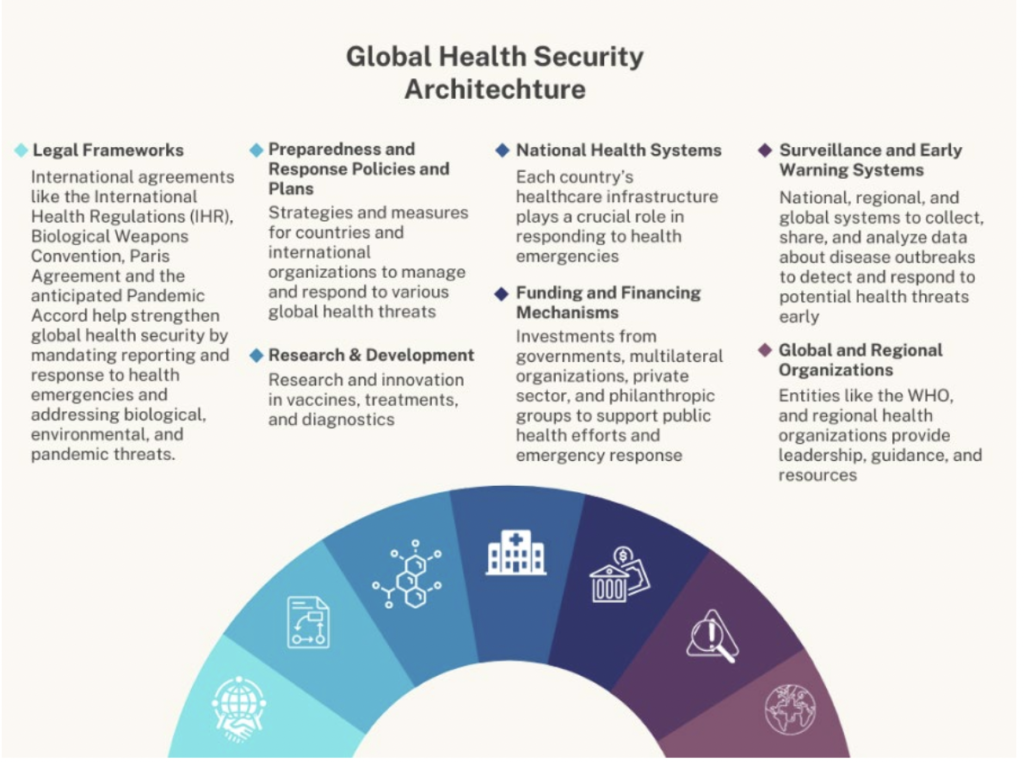
The broader conversation regarding health security involves not only individual disease management but also the systemic resilience of nations. The history of Public Health Emergencies of International Concern (PHEICs) declared by the World Health Organization underscores the necessity of continuous investment in screening, testing, and personal protective equipment (PPE) protocols. Healthcare providers are encouraged to regularly review updated guidance on viral hemorrhagic fevers to ensure that clinical settings remain prepared for potential surges.
Navigating the Future of Infectious Disease
Looking ahead, the goal of international health policy is to bridge the gap between reactive emergency responses and proactive, sustainable prevention. The identification of various orthoebolaviruses—such as Sudan virus, Taï Forest virus, and Bundibugyo virus—highlights the diversity of the threat landscape. The identification of viruses like the Bombali virus in bats serves as a reminder that our surveillance must extend beyond human clinical cases into the zoonotic reservoirs where these pathogens originate.
As we continue to monitor these developments, the importance of transparent, evidence-based communication cannot be overstated. By maintaining a focus on verified medical data and supporting the global health institutions tasked with outbreak prevention, One can collectively strengthen our defenses against future health crises.
Key Takeaways for Public Health Awareness
- Ebola disease is a zoonotic illness caused by orthoebolaviruses, primarily found in sub-Saharan Africa.
- Early symptoms include fever, aches, and fatigue, typically appearing 8 to 10 days post-exposure.
- Vaccination and rapid, supportive medical care are the most effective tools currently available for managing the disease.
- Healthcare professionals should maintain strict adherence to established PPE and infection control protocols for all viral hemorrhagic fevers.
We invite our readers to stay informed through official channels such as the CDC Ebola Disease Basics portal, which provides the most current guidance on prevention and clinical management. As further data becomes available regarding global health policies and outbreak preparedness, we will continue to provide updates. Please share your thoughts or questions in the comments section below as we continue this vital conversation on global health security.

Keep reading
- Alzheimer’s Protein May Identify CTE in Contact Sport Athletes: Early Findings
- From PCOS to Polyendocrine Metabolic Ovarian Syndrome: Why the Name Change Matters
- DR Congo Ebola Outbreak Becomes Second Largest in History (world-today-news.com)
- DG ISPR: Good Governance Critical for Pakistan’s Security and Stability (time.news)