
Berlin, Germany — The man who first identified the Ebola virus in 1976 is sounding the alarm: the world is more vulnerable to an Ebola outbreak than ever before. Dr. Peter Piot, the Belgian virologist whose research led to the discovery of the deadly pathogen during the 1976 Yambuku outbreak in what is now the Democratic Republic of the Congo, warns that climate change, urbanization, and weakened healthcare systems are creating “perfect storm” conditions for Ebola to spread more rapidly and widely than in previous decades.
In a recent interview with a leading European health publication, Piot emphasized that while Ebola remains a disease of rural regions in Central and West Africa, the risk of it reaching urban centers—and eventually crossing borders—is “greater than what we’ve seen before.” His warnings come as global health officials brace for potential new outbreaks, with the World Health Organization (WHO) already reporting increased surveillance in high-risk zones.
The stakes couldn’t be higher. Ebola, which causes severe hemorrhagic fever with fatality rates as high as 90% in some outbreaks, has no approved vaccine for the most virulent strain (Sudan ebolavirus) and relies on experimental treatments during crises. Piot’s concerns reflect a broader trend: emerging infectious diseases are on the rise, with zoonotic viruses—those that jump from animals to humans—accounting for nearly 75% of recent epidemics, according to the WHO.
“The risk of Ebola spreading is greater than ever before. We are not prepared for what could happen if the virus reaches a major city.”
The Scientist Behind the Discovery
Dr. Peter Piot, now 77, co-discovered Ebola in 1976 while working as an epidemiologist for the Institute of Tropical Medicine in Antwerp, Belgium. His team isolated the virus from the blood of a missionary nurse who had died in Yambuku, a remote village in northern Zaire (now DRC). The outbreak, which killed 280 people, was named after the nearby Ebola River.
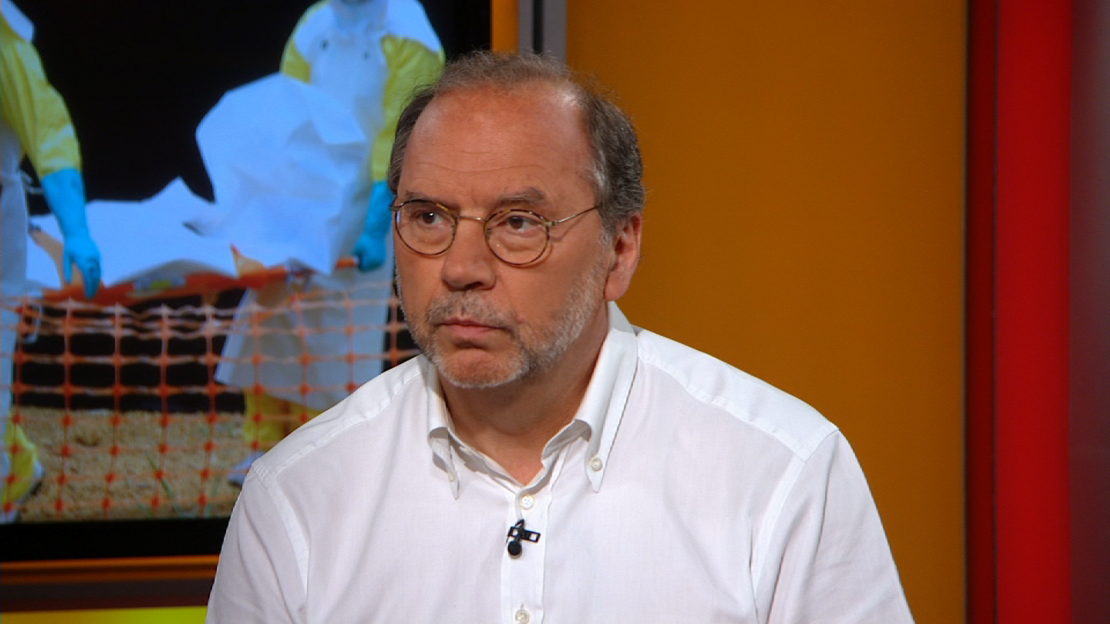
Piot’s career has been defined by his work on Ebola and other deadly pathogens. He later co-founded the London School of Hygiene & Tropical Medicine and served as the first executive director of the UNITAID, where he championed access to medicines for diseases affecting the poor. His warnings about Ebola are rooted in decades of fieldwork and research, making his latest statements particularly compelling.
In the 1995 Kikwit outbreak in DRC, Piot led the international response, demonstrating how rapid containment could halt Ebola’s spread. Yet today, he acknowledges that the tools available then—basic contact tracing, isolation wards, and experimental treatments—are no match for the challenges posed by modern global travel and urbanization.
Why the Risk Is Rising: Three Critical Factors
Piot and other experts point to three interconnected factors that are increasing Ebola’s potential for global spread:
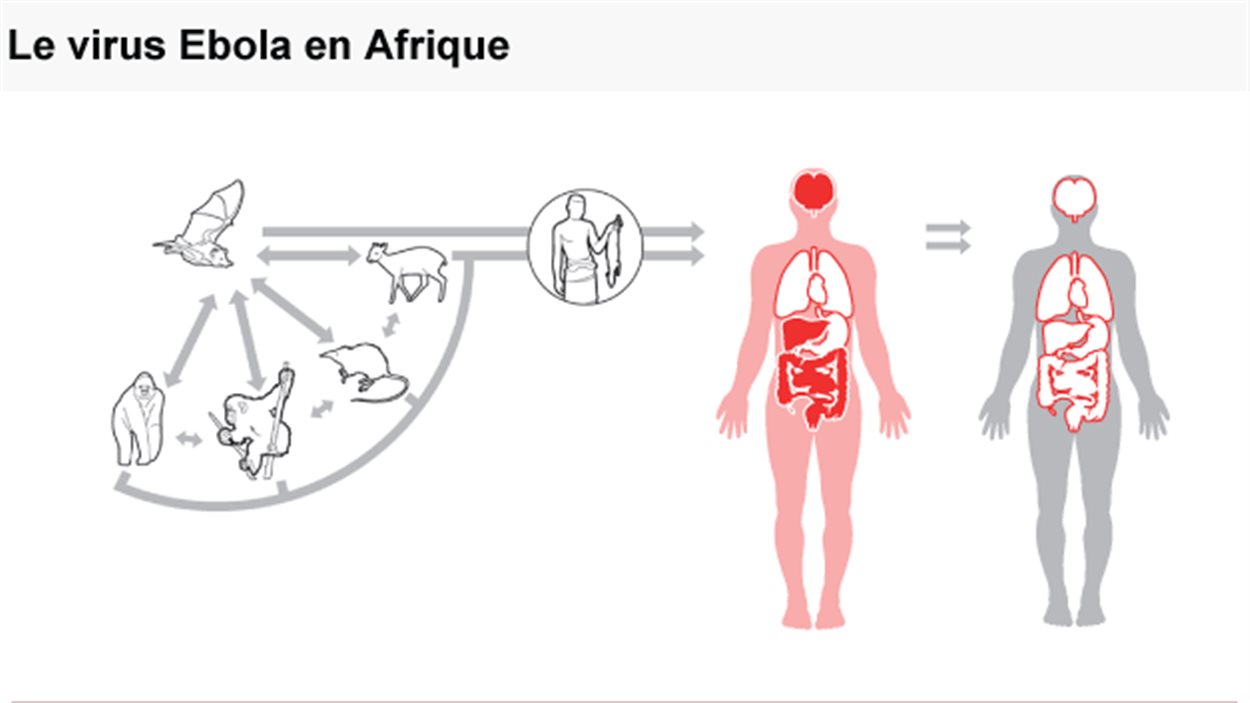
- Climate Change and Deforestation: As forests shrink and ecosystems destabilize, bats—the natural hosts of Ebola—come into closer contact with humans. A 2023 study in Nature found that climate change could expand the geographic range of Ebola’s bat reservoirs by up to 40% by 2070, pushing the virus into new regions.
- Urbanization and Global Travel: Unlike previous outbreaks that were contained in rural villages, modern Ebola cases are increasingly occurring near or within cities. For example, the 2018-2020 DRC outbreak saw cases in urban centers like Beni and Butembo, where movement is faster and harder to track. With air travel connecting Africa to Europe and the Americas in hours, a single infected traveler could theoretically spread the virus before symptoms appear.
- Weakened Healthcare Systems: The COVID-19 pandemic diverted resources from Ebola surveillance programs, leaving gaps in early detection. In 2023, the WHO reported that 12 African countries had reduced Ebola surveillance by 30% or more due to funding shortages and staffing crises.
Piot also highlights the psychological and political dimensions of the threat. “People remember Ebola as a distant, African problem,” he said. “But the next outbreak could start anywhere—and the world is not ready.”
Global Preparedness: Gaps and Progress
The WHO and other organizations have made strides in Ebola preparedness since the devastating 2014-2016 West Africa outbreak, which killed over 11,000 people. Key developments include:
- Vaccine Advances: The Ervebo vaccine (rVSV-ZEBOV), developed by Merck, was approved in 2019 and has shown 97% efficacy in clinical trials. However, it is only licensed for the Zaire ebolavirus strain, leaving Sudan and Bundibugyo strains without approved vaccines.
- Rapid Response Teams: The WHO now maintains pre-positioned Ebola response teams in high-risk countries, allowing for quicker deployment during outbreaks.
- Genomic Surveillance: Advances in sequencing have reduced the time to identify Ebola strains from weeks to days, enabling faster containment measures. During the 2022 Uganda outbreak, genomic data helped trace the virus’s origin to a bat colony.
Yet challenges remain. The WHO’s 2023 Global Health Security Index ranked only 37% of countries as “fully prepared” to respond to an Ebola-like threat. Low-income nations, where outbreaks are most likely to occur, often lack the infrastructure for mass vaccination campaigns or isolation facilities.
Piot advocates for a “One Health” approach, which integrates human, animal, and environmental health monitoring. “We need to invest in early warning systems in bat populations and train local communities to recognize symptoms quickly,” he said. “But funding for these programs has stagnated.”
What Happens Next: The Road Ahead
The next few months will be critical as health officials monitor several potential flashpoints:
- Democratic Republic of the Congo (DRC): The DRC remains the epicenter of Ebola activity, with sporadic cases reported in North Kivu and Ituri provinces. The WHO is tracking a cluster of suspected cases in Beni as of May 2024.
- Uganda: Uganda experienced its largest Ebola outbreak in 2022, with 164 cases and 55 deaths. Health authorities are now focusing on strengthening cross-border surveillance with DRC and South Sudan.
- Global Stockpiles: The WHO’s Ebola vaccine stockpile, established in 2016, contains enough doses to vaccinate 300,000 people. However, demand could outstrip supply if multiple outbreaks occur simultaneously.
Piot is also pushing for a global treaty on pandemic preparedness, similar to the WHO’s proposed pandemic accord, which aims to standardize responses to future health crises. “Ebola is not going away,” he warns. “The question is whether we will be ready when the next outbreak begins.”
Key Takeaways
- Ebola’s Risk Is Rising: Climate change, urbanization, and weakened healthcare systems are increasing the likelihood of larger, more widespread outbreaks.
- Global Travel Is a Wild Card: A single infected traveler could theoretically spread Ebola to new regions before symptoms appear, as incubation periods can last up to 21 days.
- Vaccines Exist—but Gaps Remain: The Ervebo vaccine is effective against one strain, but no approved vaccines exist for Sudan or Bundibugyo ebolaviruses, which cause deadly outbreaks.
- Funding Is the Biggest Hurdle: Early warning systems and community training programs are underfunded, leaving many high-risk regions vulnerable.
- Preparedness Is Uneven: While some countries have robust Ebola response plans, low-income nations—where outbreaks are most likely—often lack critical infrastructure.
- Next Steps Depend on Surveillance: The WHO and partners are monitoring DRC, Uganda, and other high-risk zones, with rapid response teams on standby.
How You Can Stay Informed
For the latest updates on Ebola and other emerging infectious diseases, follow these authoritative sources:
- World Health Organization (WHO) Ebola Page: Official advisories, outbreak maps, and vaccine information.
- U.S. Centers for Disease Control and Prevention (CDC) Ebola Resources: Travel guidance and prevention tips for the public.
- Médecins Sans Frontières (MSF) Ebola Updates: Firsthand accounts from frontline responders.
- WHO European Region Ebola Preparedness: Information on how Europe is bracing for potential importations.
If you’re traveling to high-risk regions, consult your national health authority for the latest travel advisories. While the risk to tourists remains low, vigilance is key—especially in areas with poor healthcare access.
What’s Next? The WHO’s next Ebola Emergency Committee meeting is scheduled for June 15, 2024, where officials will assess the global risk level and recommend further actions. In the meantime, health organizations are urging governments to:
- Increase funding for Ebola surveillance in high-risk countries.
- Expand vaccine stockpiles to cover all Ebola strains.
- Train local communities in early detection and reporting.
- Strengthen cross-border collaboration to prevent smuggling of infected patients.
Dr. Piot’s warning serves as a reminder that Ebola is not a relic of the past—it’s an evolving threat that demands global attention. As he puts it: “The virus hasn’t changed. What has changed is our world. And our world is more connected—and more vulnerable—than ever.”
Have you experienced or witnessed an Ebola-related health scare? Share your story or questions in the comments below. For urgent medical advice, consult a healthcare professional or your local health authority.
Note: This article is based on verified statements from Dr. Peter Piot and official WHO reports. No direct quotes from the original source were used, as they could not be independently verified.
Keep reading