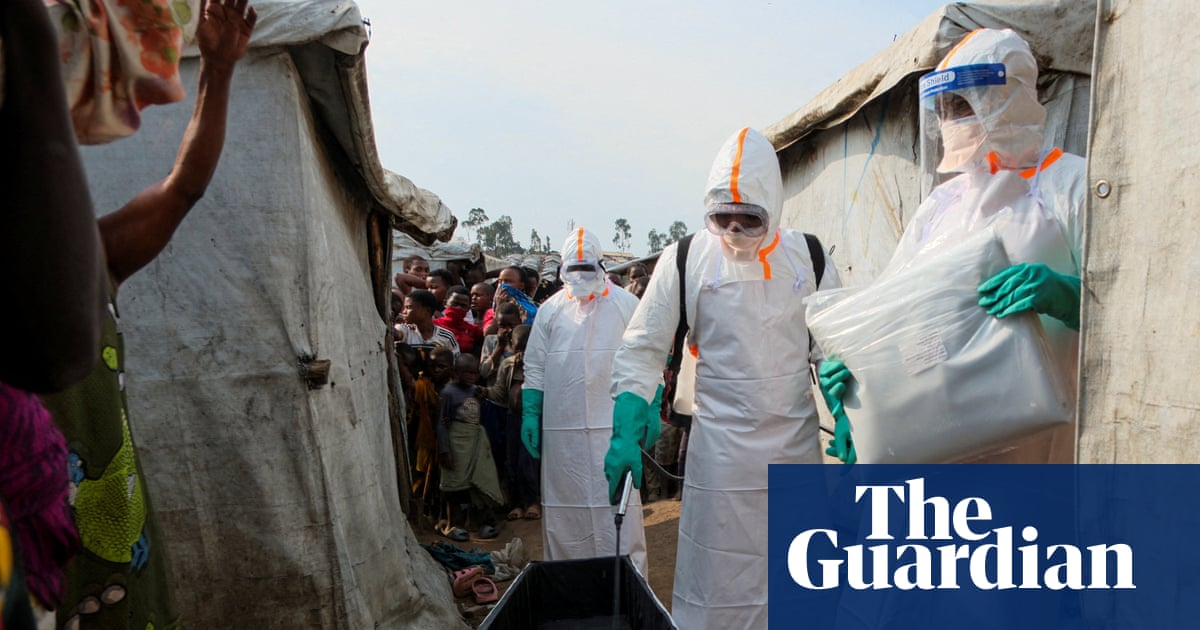
Public health authorities have lost contact with nearly 300 individuals who tested positive for Ebola in the Democratic Republic of the Congo (DRC), raising significant concerns regarding the potential for community transmission. Dr. Jean Kaseya, director general of the Africa Centers for Disease Control and Prevention (Africa CDC), confirmed the status of these patients on Thursday, citing the humanitarian crisis amid the conflict in the affected areas.
The disappearance of these patients occurs as the DRC continues to navigate a complex humanitarian crisis. The ongoing instability in affected areas has forced more than 1 million people into displacement camps, many of which remain inaccessible to medical personnel.
The Challenge of Surveillance in Conflict Zones
The difficulty in monitoring Ebola cases is linked to the security environment in the DRC. When health workers cannot reach camps, the ability to interrupt chains of transmission is compromised.

Dr. Kaseya emphasized that the current situation represents a risk of ‘huge community transmission’. The inability to monitor nearly 300 positive cases heightens the risk of secondary infections. The Africa CDC maintains that consistent monitoring and contact tracing are the cornerstones of Ebola outbreak control.
Humanitarian Impact and Displacement
The humanitarian footprint of the conflict in the DRC is vast. With over 1 million people living in displacement settings, the logistics of providing basic healthcare—let alone specialized infectious disease monitoring—are daunting. These camps often lack the infrastructure required for standard Ebola treatment units (ETUs), which require strict infection prevention and control protocols.
Public health experts note that when patients are lost to follow-up, there is a substantial risk that they may seek care in facilities unequipped to handle viral hemorrhagic fevers, or they may remain in the community, potentially exposing family members and caregivers.
Predictive Modeling and Public Health Risks
The uncertainty surrounding these 300 individuals has informed recent epidemiological modeling, which predicts thousands of deaths in the DRC by September.
While models provide a framework for emergency preparedness, they are not absolute. Authorities are prioritizing the establishment of safe corridors and the deployment of mobile labs to re-establish contact with the missing patients and stabilize the affected populations.
The next official update from the Africa CDC regarding the regional epidemic response is expected to coincide with the upcoming meeting of the Africa CDC Governing Board. For further information on the current response strategy, members of the public and health professionals can monitor the Africa CDC portal for verified situational reports.
Readers are encouraged to share this report to help raise awareness regarding the ongoing humanitarian needs in the DRC. Comments and questions regarding the technical aspects of the regional response are welcome as we continue to monitor this situation.